
AI analytics for SEO is the practice of applying machine learning and artificial intelligence to automatically collect, interpret, and act on search optimization data — transforming what once took analysts weeks into actionable insights delivered in minutes. As search algorithms grow more complex, this approach has shifted from a competitive advantage to a practical necessity for teams serious about ranking.
In 2025, search engines reward depth, relevance, and technical precision at a scale that manual processes simply cannot match. Therefore, marketers who integrate AI-driven analysis into their workflows consistently outpace those relying on traditional, reactive methods.
What Does AI Analytics for SEO Actually Do?
At its core, AI analytics for SEO processes enormous volumes of search data — keyword rankings, backlink profiles, competitor content, crawl diagnostics — and surfaces patterns that humans would take days to find manually. The system then translates those patterns into prioritized recommendations.
For example, instead of manually reviewing hundreds of keyword positions each morning, an AI model flags which terms dropped overnight, predicts why, and suggests the specific page element most likely responsible. As a result, your team spends time fixing problems rather than hunting for them.
According to Wikipedia’s overview of search engine optimization, SEO encompasses technical, on-page, and off-page factors — all three of which AI analytics can monitor and optimize simultaneously.
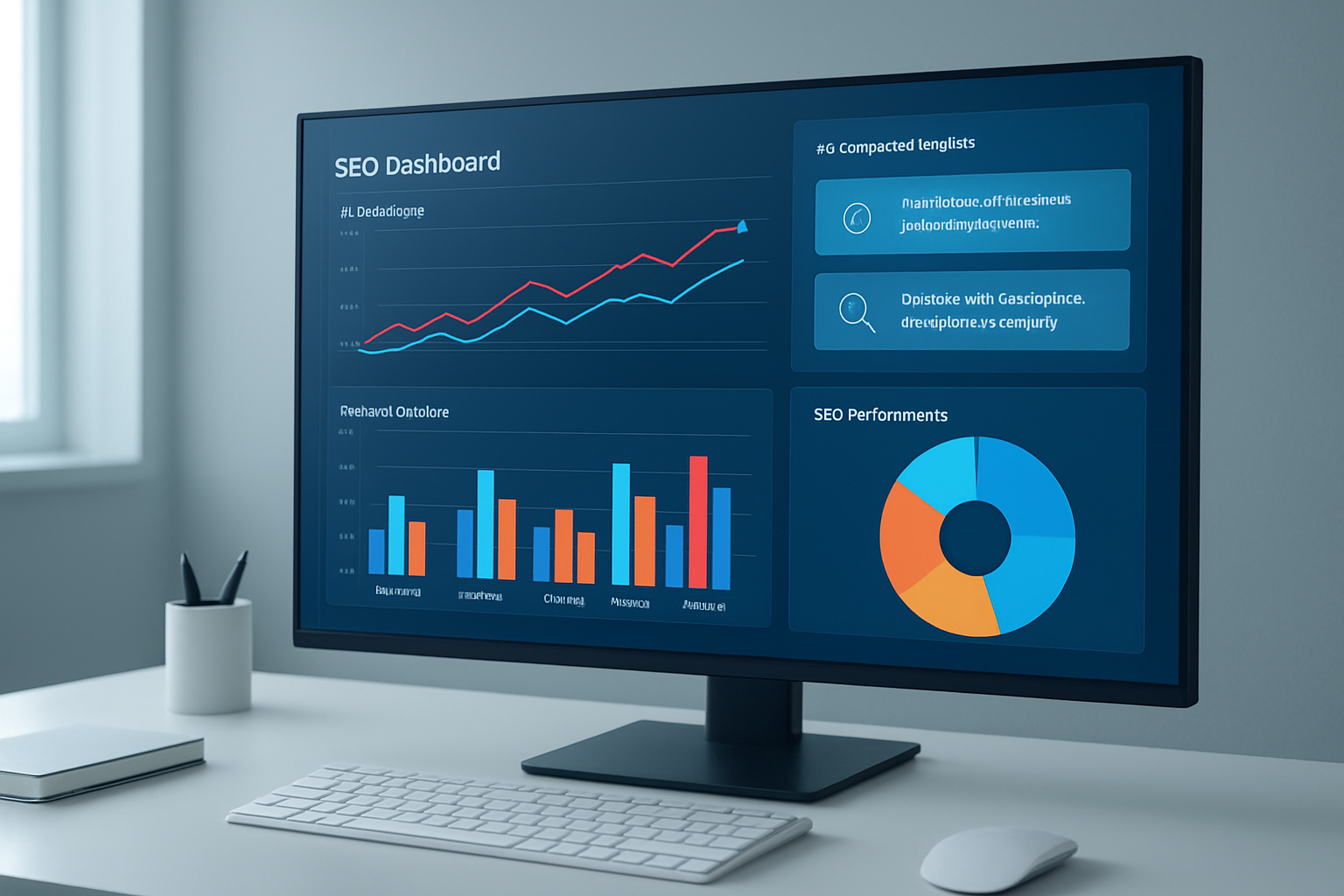
AI analytics dashboards consolidate ranking signals, keyword data, and competitor insights into a single, actionable view.
Core Capabilities That Drive Better Rankings
Automated Keyword Discovery and Intent Clustering
Traditional keyword research relies on fixed seed terms and manual filtering. In contrast, AI models crawl search behavior in real time, identifying emerging queries before they become highly competitive. Additionally, they group related terms by search intent — informational, navigational, commercial, or transactional — so content teams can plan pages that satisfy entire topic clusters at once.
This clustering approach directly improves topical authority, which modern search algorithms weight heavily when deciding which pages deserve top positions.
Predictive Ranking Forecasts
One of the most valuable features AI brings to SEO is prediction. By analyzing historical rank fluctuations alongside algorithm update timelines, AI models estimate which content is likely to gain or lose positions over the next 30 to 90 days. Because of this foresight, teams can proactively update pages before rankings slip rather than scrambling to recover afterward.
Competitive Content Gap Analysis
AI compares your site’s indexed content against every competing domain ranking in your target SERPs. It then generates a prioritized list of topics you are missing, ordered by traffic potential and ranking difficulty. Meanwhile, it also highlights pages where competitors are weak, giving you a clear path to quick wins.
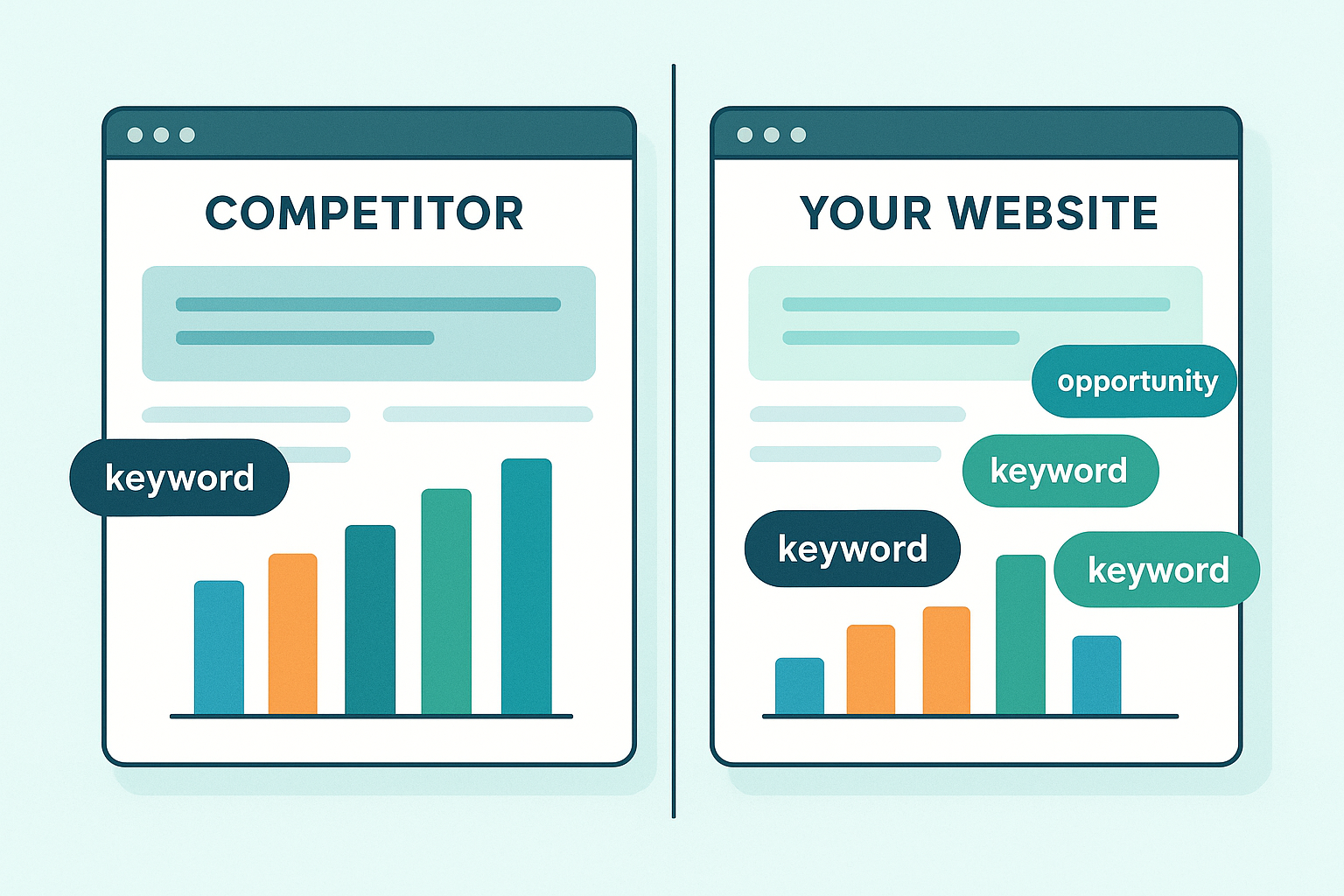
Content gap analysis powered by AI reveals exactly which topics competitors rank for that your site has not yet addressed.
How to Implement AI Analytics in Your SEO Workflow
Getting started does not require a data science team. However, a structured approach ensures you extract maximum value from the tools available.
Step 1 — Audit your current data sources. Connect Google Search Console, your analytics platform, and any existing rank tracking tools to a central dashboard. Clean, unified data is essential because AI models are only as accurate as the inputs they receive.
Step 2 — Define your ranking goals. Set specific target keywords and measurable traffic objectives. Without clear goals, AI recommendations lack direction and teams risk optimizing for metrics that do not move business outcomes.
Step 3 — Run an AI-powered site audit. Use an AI crawler to identify technical issues, content gaps, and on-page opportunities ranked by estimated ranking impact. This prioritization is what separates AI audits from traditional ones.
Step 4 — Implement prioritized recommendations. Address technical errors first, then update existing content, then create new pages. Following AI priority scoring prevents teams from investing effort in low-impact changes while critical fixes wait.
Step 5 — Monitor and iterate weekly. Feed new ranking data back into the model regularly. Finally, adjust your content calendar based on what the AI reveals about shifting search intent and emerging competitor moves.
Mistakes That Undermine AI-Driven SEO Results
Even powerful tools produce poor results when used incorrectly. The most common mistake is accepting AI recommendations without critical review. Although AI excels at pattern recognition, it lacks brand context and audience nuance — both of which a human strategist must supply.
Additionally, many teams fail to update their data pipelines regularly. An AI model trained on six-month-old crawl data will recommend fixes that are already resolved and miss new issues entirely. Therefore, scheduling monthly data refreshes is non-negotiable.
Finally, over-automating content creation without editorial oversight leads to pages that rank briefly but fail to satisfy user intent — triggering high bounce rates that ultimately push rankings back down.
Choosing the Right Platform for Your Needs
The market offers dozens of AI SEO tools, each with different strengths. When evaluating options, prioritize platforms that offer transparent recommendation logic — you need to understand why the AI suggests a change, not just what it suggests. Because opaque recommendations are difficult to validate, transparency directly affects how confidently your team can act.
For a comprehensive, strategy-level approach that combines AI insights with expert guidance, RankAuthority provides a strong foundation for teams looking to scale their SEO performance with data-backed precision.

Reviewing AI-generated SEO reports weekly allows teams to act on ranking shifts before they compound into significant traffic losses.
What to Expect from Results and Timelines
Realistic expectations matter. In practice, most sites implementing AI-driven SEO recommendations see measurable ranking improvements within 60 to 90 days. However, highly competitive niches may require a longer runway, particularly if the site has significant technical debt or a thin backlink profile.
Meanwhile, quick wins — such as fixing crawl errors, improving page speed, and adding missing schema markup — often produce ranking lifts within two to four weeks. These early gains build momentum and validate the AI-driven approach before larger content investments are made.
Direct Answer: AI analytics for SEO is the automated use of machine learning to analyze search data, identify ranking opportunities, and deliver prioritized recommendations — enabling teams to improve organic visibility faster and with greater accuracy than manual methods allow.
Bringing It All Together
AI analytics for SEO is no longer an emerging trend — it is the operational standard for teams that want sustainable, scalable organic growth. By automating data collection, surfacing predictive insights, and prioritizing recommendations by impact, AI removes the guesswork that has historically made SEO slow and unpredictable.
The teams winning in search today are not necessarily those with the largest budgets. Instead, they are the ones combining AI-powered analysis with sharp human strategy — using data to inform every decision while keeping brand voice and user intent at the center of every page they publish.
Frequently Asked Questions
What is AI analytics for SEO?
AI analytics for SEO is the use of machine learning and artificial intelligence to collect, interpret, and act on search engine optimization data automatically. It replaces manual spreadsheet analysis with real-time, predictive insights that help marketers improve rankings faster.
How does AI improve keyword research?
AI processes millions of search queries simultaneously to surface high-opportunity keywords that manual tools often miss. It also clusters related terms by intent, so you can target entire topic areas rather than isolated keywords.
Is AI analytics for SEO suitable for small businesses?
Yes, many AI SEO platforms offer tiered pricing that fits small business budgets. Even basic AI-assisted tools can automate rank tracking and identify quick wins that would otherwise require a full-time analyst.
What is predictive SEO and how does AI enable it?
Predictive SEO uses historical ranking data and trend signals to forecast which keywords or content updates are likely to improve performance. AI models analyze patterns across large datasets to generate these forecasts with much higher accuracy than human estimation.
Can AI analytics replace a human SEO specialist?
No, AI analytics augments rather than replaces human expertise. AI handles data processing and pattern recognition at scale, but strategic decisions, brand voice, and creative content still require human judgment.
What data sources do AI SEO tools typically analyze?
AI SEO tools typically pull from Google Search Console, backlink databases, competitor SERP data, site crawl reports, and user behavior metrics. Some platforms also integrate social signals and news trends to enrich their models.
How long does it take to see results from AI-powered SEO?
Most sites see measurable ranking improvements within 60 to 90 days of implementing AI-driven recommendations. However, the timeline depends on site authority, competition level, and how quickly content changes are published.
What is content gap analysis in AI SEO?
Content gap analysis identifies topics your competitors rank for that your site does not yet cover. AI automates this comparison across thousands of keyword clusters, delivering a prioritized list of content opportunities. For a deeper walkthrough, see our Ahrefs Domain Comparison: The Complete Guide (2024).
How does AI help with technical SEO audits?
AI-powered crawlers detect issues like broken links, slow page load times, duplicate content, and missing schema markup far faster than manual audits. They also prioritize fixes by estimated ranking impact, so teams focus on what matters most first.
What is the difference between traditional SEO tools and AI-powered ones?
Traditional SEO tools report on past and present data, requiring analysts to interpret trends manually. AI-powered tools go further by identifying patterns, predicting future performance, and recommending specific actions automatically.
What common mistakes should I avoid when using AI analytics for SEO?
The most common mistakes include trusting AI recommendations without reviewing them critically, ignoring brand context, and failing to update the AI model with fresh data regularly. Always validate AI outputs against your own analytics before making major content changes.
Does AI analytics help with local SEO?
Yes, AI can analyze localized search intent, competitor proximity signals, and Google Business Profile data to surface local ranking opportunities. It is especially useful for multi-location businesses managing dozens of local pages.

