
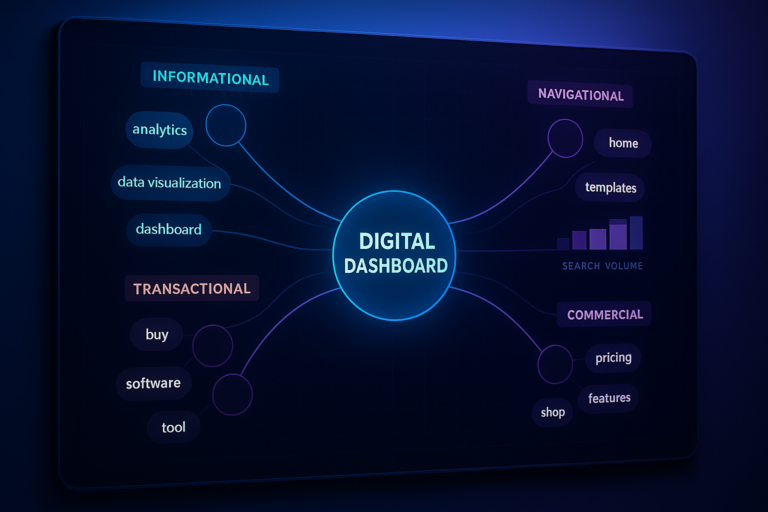
AI-based keyword research is the practice of using machine learning algorithms and natural language processing to discover, cluster, and prioritize search terms based on user intent and semantic relevance — going far beyond what spreadsheet-driven tools can achieve. Because search engines themselves now rely on AI to interpret queries, aligning your keyword strategy with the same technology gives you a measurable competitive edge.
Traditional keyword research worked well when search was keyword-matching. However, modern Google understands meaning, not just words. Therefore, your research process must evolve to match that reality.
What Is AI-Based Keyword Research?
AI-based keyword research is a method that applies natural language processing (NLP) and predictive modeling to the keyword discovery process. Instead of simply pulling search volumes, AI tools analyze billions of search patterns to understand what people mean, not just what they type.
For example, an AI system recognizes that “how to lose belly fat fast,” “best exercises for core fat,” and “stomach fat reduction tips” all express the same underlying intent. As a result, it clusters them together so you can build one authoritative page rather than three fragmented ones.
This shift from volume-first to intent-first thinking is the core value proposition of AI-driven research.
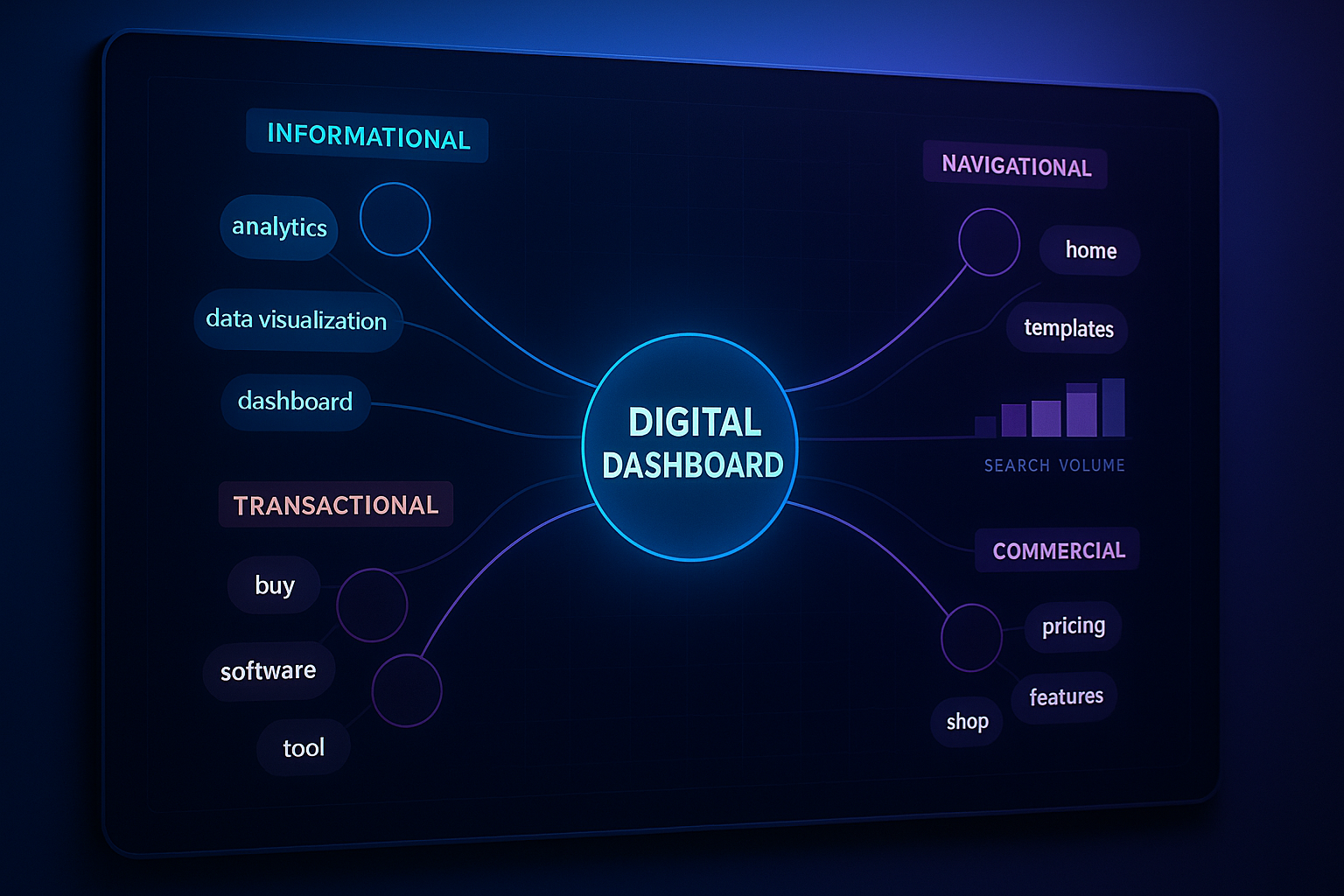
AI-based keyword research tools visualize semantic clusters and intent signals in ways traditional spreadsheets cannot.
How the Technology Actually Works
At its core, AI keyword research relies on large language models and transformer-based architectures trained on enormous datasets of search queries, SERP results, and user engagement signals. These models learn which queries satisfy similar informational needs, even when the phrasing differs completely.
Additionally, machine learning models analyze historical ranking data to predict which keywords a given domain can realistically compete for. This predictive scoring saves hours of manual difficulty assessment.
In practice, the AI ingests a seed keyword, expands it into thousands of related queries, classifies each by intent, and surfaces ranked opportunities — all within seconds.
Five Steps to Run AI Keyword Research Effectively
Following a structured process ensures you extract maximum value from AI tools rather than drowning in raw data.
1Define your seed topic and goals. Start with a broad topic that reflects your business focus. Enter it into your AI tool to generate an initial universe of related queries. The clearer your goal — traffic, conversions, or brand awareness — the better you can filter what comes back.
2Cluster keywords by intent. Use the semantic clustering feature to group queries as informational, commercial, transactional, or navigational. Because each intent type calls for a different content format, this step prevents you from writing the wrong kind of page.
3Filter by opportunity score. Sort clusters by a combination of search volume, keyword difficulty, and AI-predicted ranking potential. Focus first on high-opportunity, low-competition clusters where your domain already has topical authority.
4Map keywords to content pages. Assign each cluster to one specific existing or planned page. This prevents keyword cannibalization and ensures every page has a clear, singular focus that search engines can easily evaluate.
5Monitor and refresh regularly. Schedule quarterly reviews and configure AI-powered trend alerts. Search behavior shifts constantly, so refreshing your keyword map ensures you capture emerging opportunities before competitors do.

A structured five-step process turns raw AI keyword data into a focused, actionable content strategy.
Semantic Clustering vs. Traditional Keyword Lists
Traditional keyword lists treat each term as an isolated unit. In contrast, semantic clustering treats keywords as members of an intent family. This distinction matters enormously for content planning.
For instance, a traditional approach might produce 40 separate keyword rows, each demanding its own page. Meanwhile, an AI clustering approach reveals that those 40 terms collapse into six intent groups, each requiring one comprehensive page. The result is a leaner, more authoritative site structure.
Furthermore, semantic clusters align naturally with Google’s Helpful Content guidelines, which reward depth and topical completeness over thin, keyword-stuffed pages.
Avoiding the Most Common Pitfalls
Even powerful AI tools produce poor results when used carelessly. First, avoid treating AI volume estimates as absolute truth — cross-reference against multiple data sources before committing to a strategy.
Second, do not ignore low-volume long-tail keywords. Although their individual search counts appear small, they often convert at dramatically higher rates because the searcher’s intent is highly specific. AI tools are particularly good at surfacing these hidden gems.
Third, always validate AI recommendations against your actual audience. Tools like those reviewed at RankAuthority can help you compare AI tool outputs and choose the stack that best fits your specific niche and goals.
Choosing the Right Tool for Your Workflow
The AI keyword research market has expanded rapidly. Therefore, evaluating tools on the right criteria matters more than ever. Key factors include data freshness, clustering accuracy, intent classification quality, SERP integration depth, and pricing relative to your site’s scale.
Enterprise platforms typically offer real-time data pipelines and API access. However, mid-market tools often provide 80% of the value at 20% of the cost, making them the better choice for growing sites and agencies.
Additionally, consider whether the tool integrates with your content management system and reporting stack. Friction in the workflow reduces how consistently your team actually uses the insights generated.
Why AI Keyword Research Matters for Voice and Conversational Search
Voice search queries are longer, more conversational, and phrased as complete questions. Because AI models are trained on natural language, they surface these question-based patterns far more effectively than traditional tools built around short, typed queries.
As a result, AI-driven research directly improves your chances of winning featured snippets and position-zero results — the primary targets for voice assistant responses. Structuring content around AI-identified question clusters is therefore one of the highest-leverage tactics available in 2025.
Direct Answer: AI-based keyword research uses machine learning and NLP to identify, cluster, and prioritize search terms by intent and semantic meaning. It outperforms traditional tools by predicting ranking opportunity, grouping related queries automatically, and aligning keyword strategy with how modern search engines actually interpret queries.
Frequently Asked Questions
What is AI-based keyword research?
AI-based keyword research is the process of using machine learning and natural language processing to identify, cluster, and prioritize search terms based on user intent and semantic relevance. Unlike traditional tools that rely on static volume data, AI systems analyze patterns across billions of queries to surface smarter, more actionable recommendations.
How is AI keyword research different from traditional keyword research?
Traditional research relies on manually filtering volume and competition metrics. AI tools go further by understanding search intent, grouping semantically related terms, and predicting which keywords are likely to convert — saving hours of manual analysis in the process.
What are the main benefits of using AI for keyword research?
The primary benefits include faster discovery of long-tail opportunities, automated intent classification, semantic clustering, competitive gap analysis, and the ability to scale research across hundreds of topics simultaneously. Additionally, AI tools reduce human error in data interpretation.
Can AI keyword tools replace human judgment in SEO?
No — AI tools augment rather than replace human judgment. They surface data and patterns at scale, but an experienced SEO professional still needs to evaluate business context, brand voice, and strategic priorities that algorithms cannot fully grasp.
What is semantic keyword clustering?
Semantic keyword clustering groups related search terms by meaning rather than exact-match similarity. AI models use NLP to understand that “best running shoes” and “top sneakers for jogging” target the same intent, allowing you to build one comprehensive page that covers a topic fully.
How does AI identify search intent?
AI models classify intent by analyzing language patterns, SERP features, and click behavior associated with each query. They categorize keywords as informational, navigational, commercial, or transactional, helping you match content format to what searchers actually want.
Is AI keyword research suitable for small businesses?
Yes — small businesses benefit greatly because AI tools reduce the time and expertise required to find viable opportunities. Many affordable or free-tier AI-powered SEO tools give smaller sites access to insights previously reserved for large agencies.
What common mistakes should I avoid when using AI for keyword research?
Common mistakes include blindly trusting AI volume estimates without cross-referencing, ignoring low-volume long-tail keywords with high conversion potential, and failing to map keywords to specific pages in a content strategy. Always validate AI output against real audience data.
How often should I run AI-based keyword research?
Ideally, refresh your keyword research quarterly or whenever a major algorithm update occurs. AI tools can also monitor keyword trends continuously and alert you to emerging opportunities in real time, so you never fall behind competitors.
Does AI keyword research help with voice search optimization?
Yes. Because AI models understand conversational language, they excel at surfacing natural-language and question-based queries that align with how people speak to voice assistants. This makes AI research especially valuable for optimizing featured snippets and voice results.
What role does NLP play in AI keyword research?
Natural Language Processing allows AI systems to understand the meaning, context, and relationships between words rather than treating queries as isolated strings. This enables more accurate intent detection, better clustering, and smarter content recommendations overall.
How do I choose the best AI keyword tool for my site?
Evaluate tools based on data freshness, clustering accuracy, intent classification quality, integration with your existing workflow, and pricing. Resources like RankAuthority offer comparative guidance on selecting the right AI SEO stack for your specific niche.
The Bottom Line on AI-Based Keyword Research
AI-based keyword research is no longer a niche advantage — it is rapidly becoming the baseline expectation for any competitive SEO strategy. Because search engines themselves use AI to interpret queries, matching that intelligence in your research process is the most logical path to consistent organic growth.
In summary, the teams that win in 2025 will be those who use AI to work smarter: clustering by intent, prioritizing by opportunity, and refreshing their keyword maps continuously. The technology handles the scale; your strategic judgment handles the direction.
Start with one seed topic, run it through an AI tool, and compare the clusters you receive against what you would have produced manually. The difference will make the case for you immediately.

