
Backlinks are hyperlinks from one website that point to a page on another website, and they remain one of the most powerful signals in modern search engine optimization. Because Google treats each link as a vote of confidence, the quality and relevance of your backlink profile directly shape how well your pages compete in search results. Understanding how they work is therefore essential for any site owner who wants lasting organic visibility.
In practice, not all links carry the same weight. A single mention from a respected industry publication can outperform hundreds of links from low-quality directories. This guide walks you through everything you need to know — from the fundamentals to advanced acquisition strategies — so you can build a link profile that drives real results.
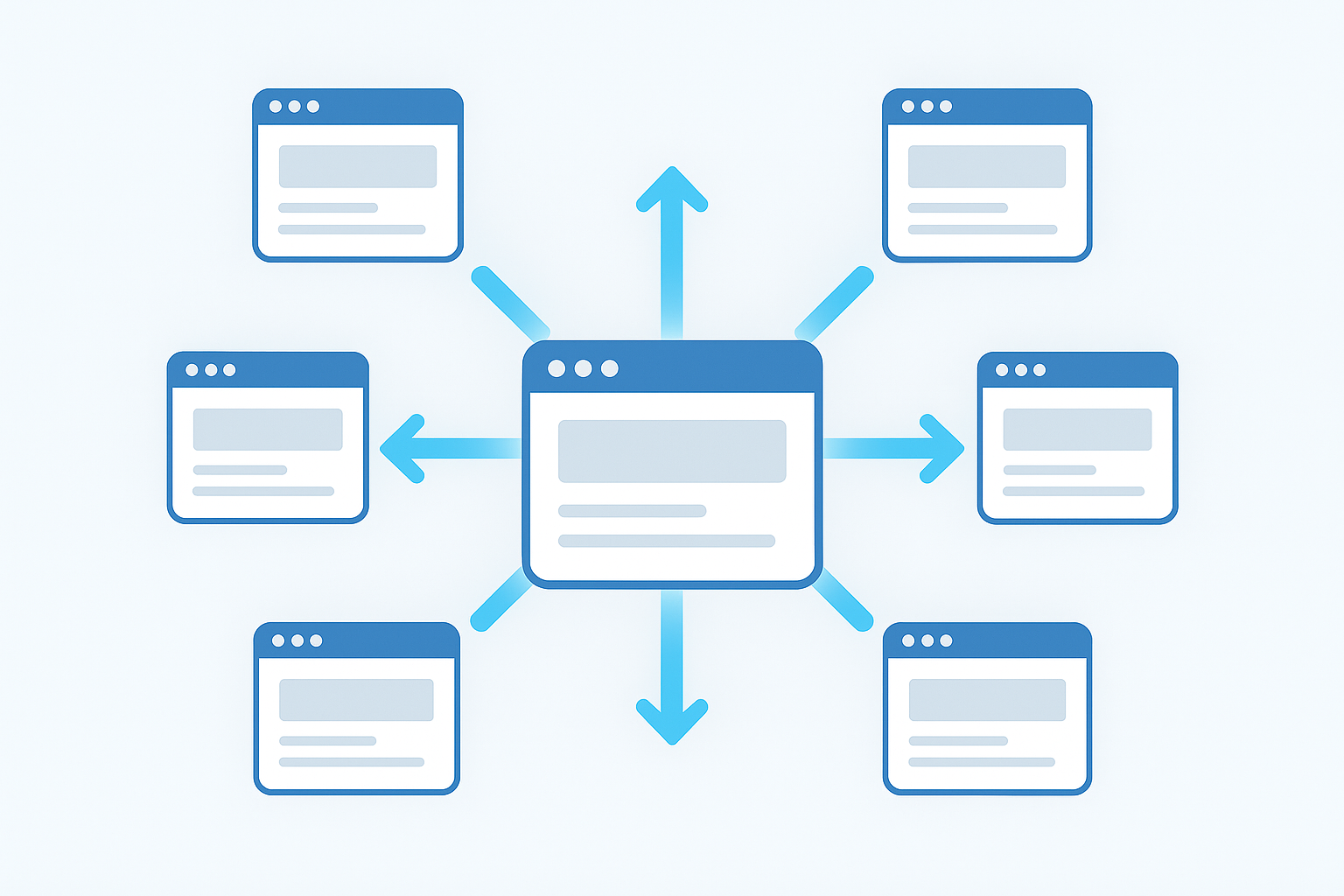
A visual representation of how backlinks from multiple sources funnel authority into a single domain.
What Are Backlinks and Why Do Search Engines Care?
When Google’s founders developed PageRank in the late 1990s, they based it on a simple academic concept: a paper cited by many other papers is likely more valuable than one that is rarely referenced. Backlinks work exactly the same way. According to Wikipedia’s explanation of PageRank, the algorithm distributes a score called “link equity” across the web, flowing from linking pages to the pages they reference.
As a result, pages that attract links from many authoritative sources accumulate more equity and tend to rank higher. However, Google has grown considerably more sophisticated over time. Today its systems evaluate not just the quantity of links but also their topical relevance, the authority of the linking domain, and the naturalness of the anchor text used.
Dofollow vs. Nofollow: What Passes Authority?
Every backlink falls into one of two broad categories based on its HTML attributes. A dofollow link passes PageRank from the linking page to yours, directly contributing to your rankings. A nofollow link carries a rel="nofollow" attribute that instructs search engines not to pass authority, though Google has stated it treats nofollow as a hint rather than a strict rule.
Additionally, Google introduced two newer attributes: rel="sponsored" for paid placements and rel="ugc" for user-generated content like forum posts. Although nofollow links do not pass direct equity, they still drive referral traffic and contribute to a natural-looking link profile — which is itself a positive signal.
The Anatomy of a High-Quality Link
Understanding what separates a valuable link from a harmful one is crucial before you invest time in outreach. Several core attributes determine link quality.
Key Quality Signals at a Glance
- Domain Authority: Links from sites with high traffic and strong link profiles carry more weight.
- Topical Relevance: A link from a site in your niche is far more valuable than one from an unrelated domain.
- Anchor Text: Descriptive, natural anchor text helps Google understand your page’s topic.
- Link Placement: Editorial links within body content outperform footer or sidebar links.
- Uniqueness: Each new referring domain adds more value than multiple links from the same site.
In contrast, links from penalized domains, private blog networks, or irrelevant directories can actively damage your rankings. Therefore, auditing your existing link profile regularly is just as important as building new links.
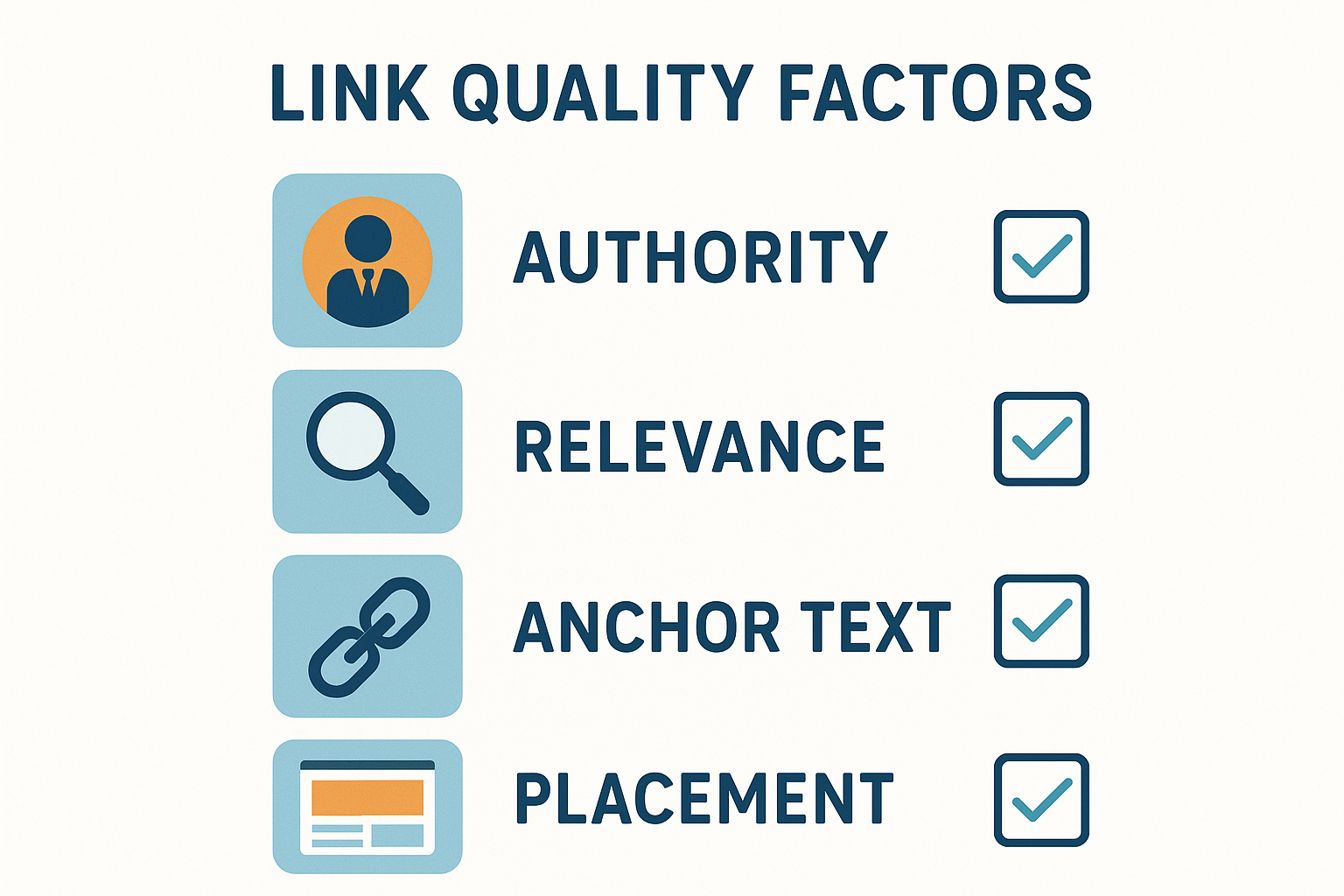
Evaluating these quality signals helps you prioritize which link opportunities are worth pursuing.
Proven Strategies to Earn More Backlinks
Building a strong link profile requires a mix of content creation and deliberate outreach. The following strategies are both effective and sustainable over the long term.
1. Create Linkable Assets
Original research, comprehensive guides, free tools, and data-driven studies naturally attract citations from journalists and bloggers. For example, a well-designed industry survey can earn dozens of editorial links from outlets that cite your findings. Because these assets provide genuine value, they continue attracting links long after publication.
2. Digital PR and Media Outreach
Pitching stories, expert commentary, or data to journalists is one of the fastest ways to earn high-authority links. When a major publication covers your brand or cites your data, the resulting link carries enormous weight. Additionally, being quoted as an expert source builds both your link profile and your brand reputation simultaneously.
3. Guest Posting on Relevant Sites
Writing articles for reputable publications in your niche remains a reliable link-building tactic. However, you should focus on sites with genuine audiences rather than content farms. A single well-placed guest post on a respected blog will outperform dozens of posts on low-quality sites. Resources like Rank Authority offer guidance on identifying the right outreach targets for your industry.
4. Broken Link Building
This technique involves finding broken outbound links on relevant websites and suggesting your content as a replacement. Because you are helping the site owner fix a problem, the outreach is genuinely useful and tends to earn a positive response. Tools like Ahrefs and Moz make it straightforward to identify broken link opportunities at scale.
5. Reclaiming Unlinked Brand Mentions
Sometimes websites mention your brand or content without linking to you. Reaching out to request that they add a link is one of the easiest wins available, since the author has already demonstrated goodwill by mentioning you. Google Alerts and tools like Ahrefs Content Explorer can help you monitor these mentions automatically.
How to Audit and Protect Your Link Profile
Even if you have never actively built links, your site likely has a backlink profile that deserves regular attention. Negative SEO attacks, old spammy links, and low-quality directories can all drag down your rankings over time.
Start with Google Search Console, which provides a free list of sites linking to you. For deeper analysis, Ahrefs or Moz will show domain authority scores, anchor text distribution, and whether any linking domains are flagged as toxic. If you identify harmful links that you cannot get removed through outreach, submit a disavow file to Google through Search Console.
Meanwhile, monitor your link velocity — the rate at which you gain or lose links. A sudden, unexplained spike or drop can signal either a viral piece of content or a potential attack worth investigating. Consistent, steady link growth is always the healthiest pattern.
Common Mistakes That Undermine Your Efforts
Many site owners make avoidable errors that slow their progress or trigger penalties. First, chasing link quantity over quality is a persistent mistake — fifty links from irrelevant blogs are worth far less than one editorial mention from a top-tier publication. Second, using exact-match anchor text repeatedly looks manipulative to Google’s algorithms and can invite a penalty.
Additionally, buying links from link brokers or private blog networks is explicitly against Google’s guidelines and can result in a manual action that removes your site from search results entirely. Finally, ignoring internal linking is a missed opportunity — strong internal links distribute the authority your backlinks bring in across the rest of your site.
For a deeper look at building a sustainable link strategy, Rank Authority provides practical frameworks tailored to competitive niches.
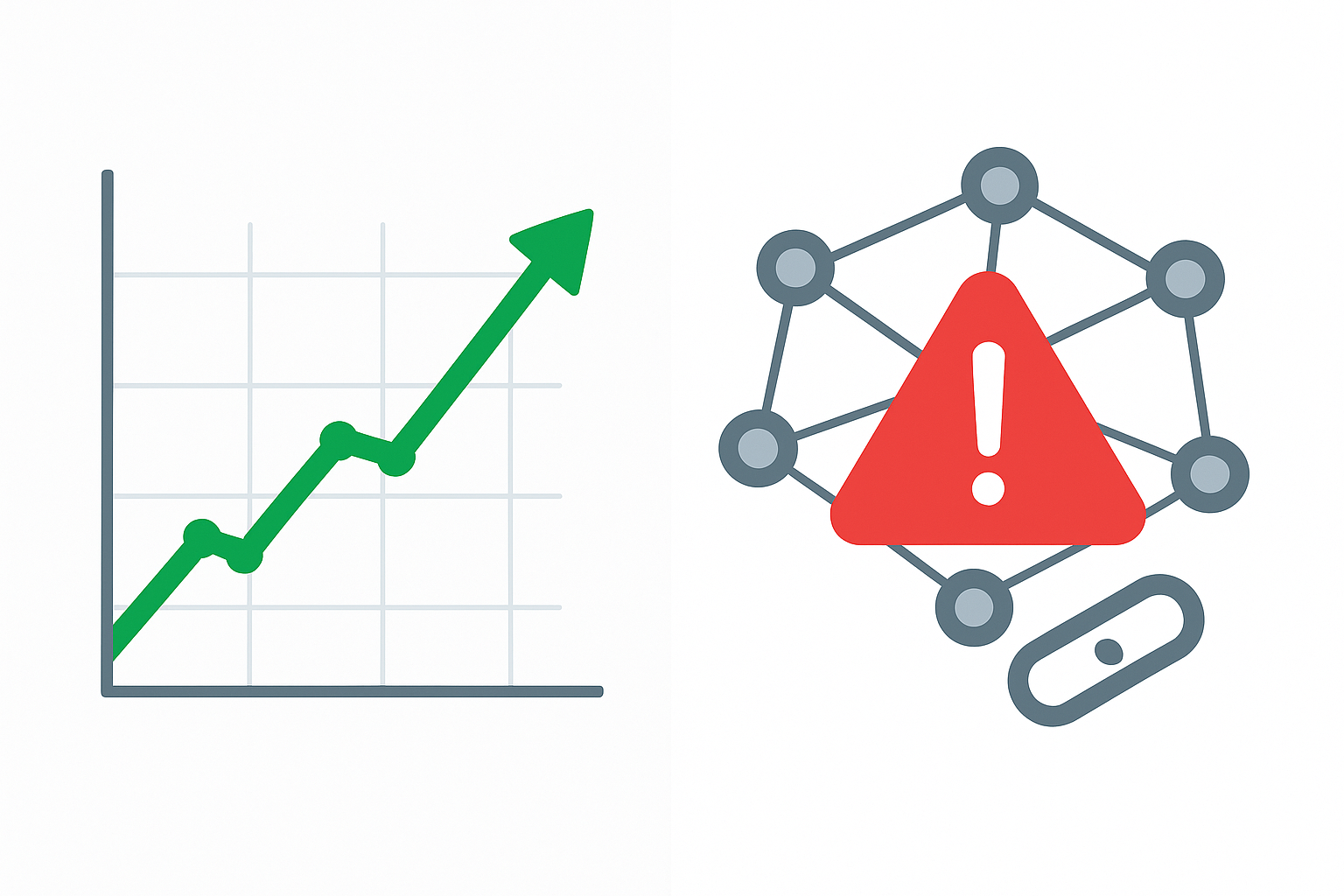
The contrast between a healthy, growing backlink profile and a toxic link network that risks Google penalties.
Building a Sustainable Link Strategy Over Time
The most successful link-building programs treat authority acquisition as an ongoing investment rather than a one-time campaign. Because search results are competitive and constantly shifting, you need a repeatable process for identifying opportunities, executing outreach, and tracking results.
Set a monthly target for new referring domains rather than total link count, since unique domains carry more weight. Track your referring domain growth in a spreadsheet or SEO platform, and review your anchor text distribution quarterly to ensure it remains natural. In addition, revisit your best-performing content regularly — updating and republishing it can reignite interest and generate a fresh wave of inbound links.
Ultimately, the sites that dominate search results have built their authority over years through consistent effort, genuine content quality, and smart relationship-building with other publishers in their space.
Quick Answer: What Are Backlinks?
Backlinks are links from external websites that point to your pages. Search engines use them as trust signals — the more high-quality, relevant sites that link to you, the more authority your domain accumulates, which translates directly into higher rankings and more organic traffic.
Conclusion: Why Backlinks Still Define SEO Success
Despite decades of algorithm updates, backlinks remain the single most reliable predictor of where a page will rank in competitive search results. By focusing on quality over quantity, diversifying your acquisition methods, and auditing your profile regularly, you give your site the strongest possible foundation for long-term organic growth. Start with one strategy — whether that is creating a linkable asset or reclaiming unlinked mentions — and build from there with consistency and patience.
Frequently Asked Questions
What are backlinks in SEO?
Backlinks are hyperlinks from one website that point to a page on another website. Search engines like Google treat them as votes of confidence, and pages with more high-quality backlinks tend to rank higher in search results.
Why are backlinks important for ranking?
Backlinks signal to search engines that your content is credible and worth referencing. Google’s algorithm has used link signals since its founding, and authoritative backlinks remain one of the top three ranking factors today.
What is the difference between dofollow and nofollow backlinks?
A dofollow backlink passes PageRank and SEO authority from the linking site to yours. A nofollow backlink includes a rel="nofollow" attribute that tells search engines not to pass authority, though it can still drive referral traffic.
How many backlinks do I need to rank on the first page?
There is no fixed number because it depends on your niche, keyword competition, and link quality. In competitive niches you may need dozens of high-authority links, while low-competition topics can rank with just a few strong references.
What makes a backlink high quality?
A high-quality backlink comes from a relevant, authoritative domain with real traffic, uses descriptive anchor text, and appears naturally within editorial content. Links from spammy or unrelated sites can actually harm your rankings.
Can bad backlinks hurt my SEO?
Yes. Links from penalized, spammy, or irrelevant websites can trigger a Google manual action or algorithmic penalty. You can use Google Search Console’s Disavow Tool to tell Google to ignore harmful links pointing to your site.
What is anchor text and why does it matter?
Anchor text is the clickable, visible text of a hyperlink. Search engines use it as a relevance signal to understand what the linked page is about. Over-optimized anchor text with exact-match keywords can appear manipulative and trigger penalties.
What is the fastest legitimate way to build backlinks?
The fastest legitimate methods include digital PR, creating linkable assets like original research or tools, and broken link building. Guest posting on relevant industry sites is also effective when done at a reasonable scale.
How do I check my website’s backlinks?
You can check your backlinks using Google Search Console for free, or use third-party tools like Ahrefs or Moz for deeper analysis. These tools show the number of referring domains, anchor text distribution, and link quality metrics.
Is buying backlinks safe?
Buying backlinks violates Google’s Webmaster Guidelines and can result in a manual penalty that removes your site from search results. While some sites take the risk, the long-term consequences far outweigh any short-term ranking gains.
How long does it take for backlinks to improve rankings?
Backlinks typically begin to influence rankings within a few weeks to several months, depending on how quickly Google crawls and indexes the linking page. High-authority links from frequently crawled domains tend to have a faster impact.
What is link velocity and does it matter?
Link velocity refers to the rate at which a website acquires new backlinks over time. An unnaturally sudden spike in links can look manipulative to Google, so growing your link profile steadily and consistently is safer and more sustainable.

