
Search Atlas SEO Platform is an all-in-one SEO solution that consolidates keyword research, rank tracking, technical site auditing, backlink analysis, and AI-powered content tools into a single unified dashboard. For SEO professionals managing complex campaigns, it removes the friction of juggling multiple subscriptions and fragmented data sources.
In practice, most SEO teams waste hours every week switching between tools, reconciling conflicting data, and manually compiling reports. Search Atlas is designed to solve exactly that problem. As a result, it has gained significant traction among agencies, in-house marketing teams, and independent consultants looking for a scalable, cost-efficient alternative to stacking multiple point solutions.
This guide walks through every major feature, explains how each one works, and helps you decide whether the platform fits your workflow. See our AI SEO software guide for tool comparisons and setup tips.
Quick Answer
Search Atlas is a web-based SEO platform that combines rank tracking, keyword research, site auditing, backlink analysis, and AI content generation in one place. It is particularly well-suited for agencies that need white-label reporting and multi-site management at scale.
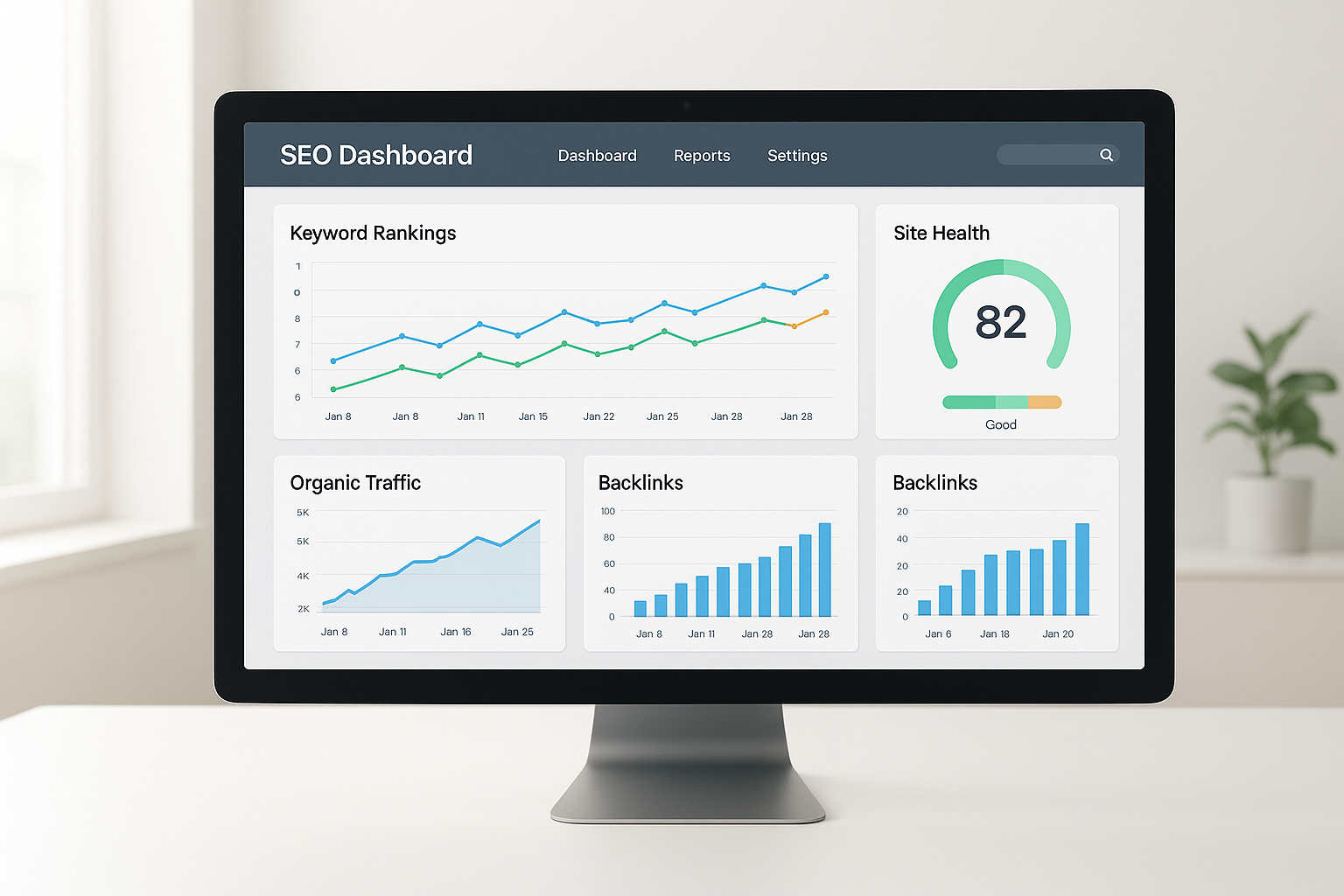
Search Atlas brings rank tracking, keyword research, and site auditing together in one streamlined interface.
What Search Atlas SEO Platform Actually Does
At its core, Search Atlas functions as a command center for SEO operations. Instead of pulling rank data from one tool, content insights from another, and backlink reports from a third, users access everything through a single login. This integration means data points connect meaningfully — for example, a drop in rankings can be cross-referenced with a site audit warning or a loss of referring domains, all within the same session.
The platform is built around several core pillars: keyword intelligence, technical health monitoring, link analysis, and AI-assisted content production. Each module feeds into the others, creating a workflow that is both comprehensive and efficient.
According to Wikipedia’s overview of search engine optimization, modern SEO requires attention to technical factors, content quality, and authority signals simultaneously — which is precisely the scope Search Atlas is designed to cover.
Search Atlas SEO platform — Keyword Research and Topical Authority
The keyword research module inside Search Atlas goes beyond basic volume and difficulty metrics. Users can build topical clusters — groups of semantically related keywords that signal subject-matter authority to search engines. This approach aligns with how modern search algorithms evaluate content relevance, making it a strategically sound workflow rather than just a data-gathering exercise.
Additionally, the SERP analysis view shows who currently ranks for any target keyword, what content formats dominate the results, and what featured snippet opportunities exist. Therefore, users can make informed decisions about content format, word count targets, and competitive positioning before writing a single word.
Building a Keyword Map Step by Step
- Enter your seed keyword into the keyword explorer and review volume, difficulty, and intent data.
- Expand to related terms using the topical cluster generator to identify supporting and pillar content opportunities.
- Filter by intent — separate informational, navigational, and transactional keywords to assign them to the right page types.
- Export or save your cluster directly to a content brief inside the platform for immediate use by your writing team.
Search Atlas Rank Tracking With Local Precision
Search Atlas tracks keyword rankings daily, which is faster than the weekly update cycles offered by many competing tools. Furthermore, the platform supports geo-targeted tracking at the city and zip-code level, making it invaluable for local SEO campaigns where national averages mask the real competitive picture.
The rank tracker integrates directly with Google Search Console, pulling impression and click data to complement position tracking. As a result, you can see not just where you rank but how often users actually see and click your listings — a much richer picture of search performance.
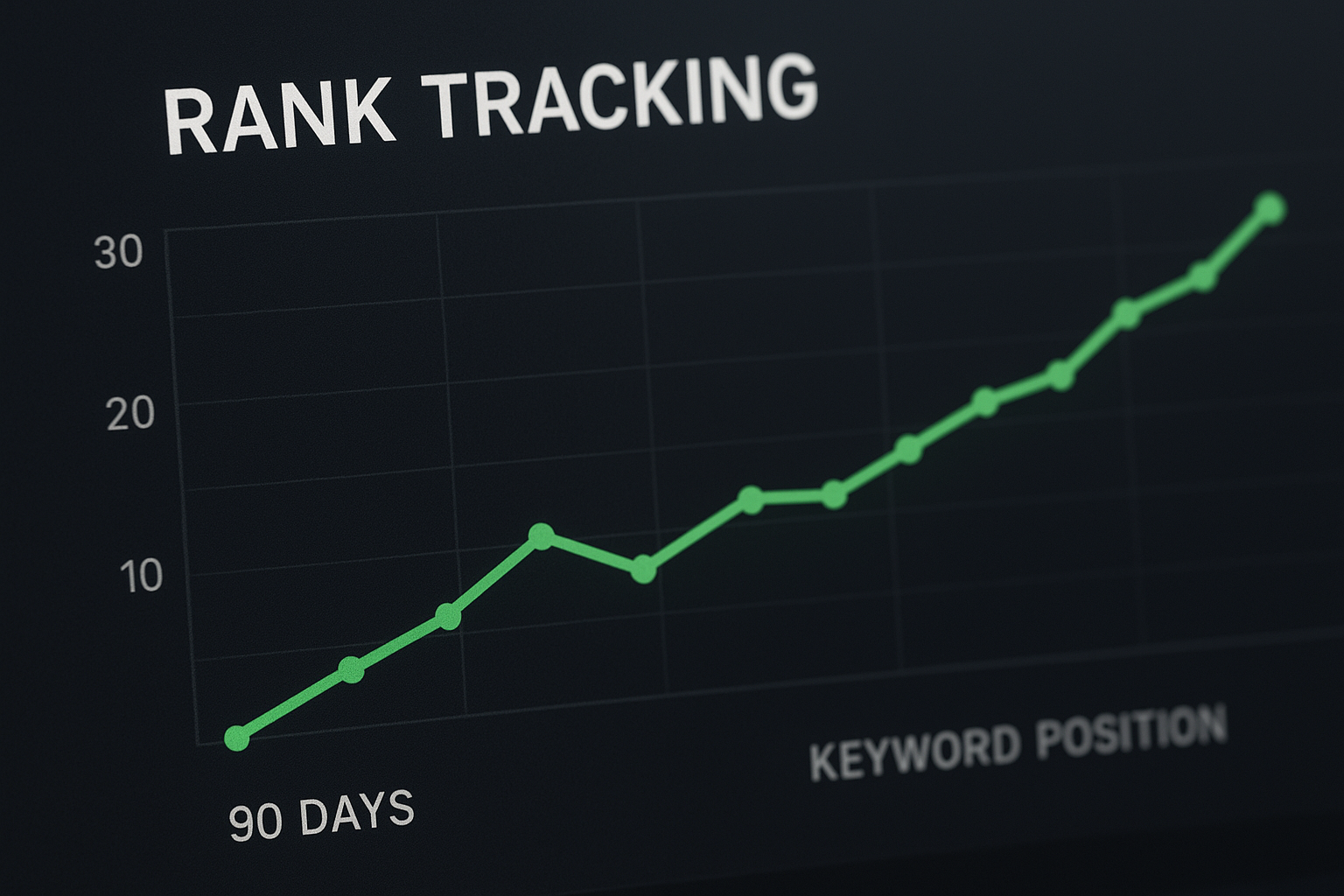
Daily rank tracking with local geo-targeting gives teams a precise view of keyword position changes.
Technical Site Audit and OTTO SEO Automation
The site audit tool crawls your entire website and surfaces technical issues that may be suppressing rankings. These include fix broken links, missing or duplicate meta tags, slow Core Web Vitals scores, thin content pages, and crawl budget waste. Each issue is prioritized by impact severity, so your team knows where to focus first rather than getting lost in a flat list of warnings.
However, what truly differentiates Search Atlas from standard audit tools is OTTO SEO — an SEO automation guide that can apply recommended fixes automatically or with a single click. For routine issues like missing alt text, schema markup gaps, or redirect chains, OTTO significantly reduces the manual workload. In contrast, complex structural problems are flagged clearly for developer review.
Teams working with resources like Rank Authority will find that pairing a systematic technical audit process with OTTO’s automation capabilities accelerates site health improvements considerably.
AI Content Tools That Go Beyond Templates
The AI content writer inside Search Atlas is not a generic text generator. Instead, it uses NLP analysis of top-ranking pages to recommend the specific topics, headings, semantic keywords, and content length your article needs to compete. Writers receive a structured brief before they type a single word, which dramatically reduces revision cycles; see AI-driven SEO tools for broader context.
Meanwhile, the content optimizer scores existing pages against the same NLP benchmarks (see our AI-driven SEO optimization), showing exactly which semantic gaps are holding a page back from higher rankings. This makes it equally valuable for improving legacy content as it is for producing new articles.
Backlink Analysis and Competitor Intelligence
Search Atlas provides a backlink analysis module that shows your full referring domain profile, including new and lost links, anchor text distribution, and domain authority signals. Because link equity remains one of the most significant ranking factors, having this data inside the same platform as your rank tracker creates a direct feedback loop between link-building efforts and ranking outcomes. For deeper backlink auditing workflows see AI Visibility Audit.
Competitor backlink analysis is equally powerful. Users can enter any competing domain and immediately see which sites link to them, what content earns the most links, and where link-building gaps exist. This intelligence feeds directly into outreach strategy and content planning.
Who Benefits Most From This Platform?
Search Atlas is particularly well-suited for digital marketing agencies that manage multiple client sites simultaneously. The white-label reporting feature allows agencies to deliver branded performance reports without revealing the underlying tool. Additionally, the multi-site dashboard keeps client data organized and accessible without switching accounts; read more about managing multiple client sites to see implementation tips.
In-house SEO teams at mid-size to enterprise companies also benefit from the platform’s breadth. Rather than maintaining separate contracts for a rank tracker, an audit tool, a content optimizer, and a backlink database, a single Search Atlas subscription covers all four — often at a lower total cost. For more guidance on building an effective SEO strategy, Rank Authority offers practical frameworks that complement the platform’s capabilities.

Agencies use white-label reporting features to deliver professional client dashboards without revealing their toolstack.
Common Mistakes to Avoid When Using the Platform
Many new users underutilize the topical clustering feature, treating Search Atlas purely as a rank tracker rather than a strategic planning tool. However, the keyword clustering and content brief workflow is where the platform delivers its greatest return on investment.
Another frequent mistake is ignoring the site audit findings after the initial crawl. Technical SEO is not a one-time task — therefore, scheduling recurring audits and monitoring the health score trend over time is essential to maintaining and improving rankings.
Finally, teams sometimes skip the Google Search Console integration, which means they miss the impression and click-through rate data that enriches rank tracking. Connecting GSC takes only a few minutes and substantially improves the quality of performance reporting.
In Summary
Search Atlas delivers a genuinely comprehensive SEO platform that replaces the need for multiple specialized tools. Its combination of daily rank tracking, AI content briefs, OTTO automation, and white-label reporting makes it a strong choice for agencies and in-house teams looking to consolidate their SEO stack and accelerate organic growth. Last updated July 2, 2026. Author: Rank Authority editorial team.
Frequently Asked Questions
What is Search Atlas?
Search Atlas is an all-in-one SEO platform that combines keyword research, rank tracking, site auditing, backlink analysis, and AI-powered content optimization in a single dashboard. It is designed for agencies, in-house SEO teams, and freelancers who want to consolidate their SEO workflows without managing multiple tool subscriptions.
How does Search Atlas differ from other SEO tools?
Search Atlas stands out by integrating OTTO SEO automation, AI-driven content briefs, and a white-label reporting suite alongside traditional rank tracking and auditing features. Most competing tools require multiple subscriptions to match the same feature breadth, making Search Atlas a cost-efficient alternative.
Does Search Atlas include keyword research tools?
Yes. The keyword research module includes search volume data, keyword difficulty scores, SERP analysis, and topical clustering features. Users can build comprehensive keyword maps and content clusters directly inside the platform without exporting to a separate tool.
Can Search Atlas track local SEO rankings?
Yes, Search Atlas supports local rank tracking at the city or zip-code level. This makes it particularly useful for businesses and agencies managing local SEO campaigns where national average rankings do not reflect the actual competitive landscape.
What is OTTO SEO in Search Atlas?
OTTO SEO is an AI-powered automation feature that identifies technical SEO issues and applies recommended fixes automatically or with a single click. It reduces the manual workload of routine site optimization tasks such as adding missing alt text, fixing schema gaps, and resolving redirect chains.
Is Search Atlas suitable for SEO agencies?
Absolutely. Search Atlas offers white-label reporting, multi-site management, and client dashboards that make it well-suited for agencies handling multiple clients. The platform scales from solo freelancers to large agency teams without requiring separate account structures.
How accurate is the rank tracker?
Search Atlas uses daily rank tracking with geo-targeted data pulls, making it highly accurate for both national and local keyword positions. Results are generally consistent with data from Google Search Console when the integration is active.
Does Search Atlas have a site audit tool?
Yes. The site audit crawls your website for technical SEO errors including broken links, missing meta tags, slow page speed, duplicate content, and crawlability issues. Issues are prioritized by severity so teams know where to focus their remediation efforts first.
What pricing plans does Search Atlas offer?
Search Atlas offers tiered pricing plans ranging from starter plans for individual users to enterprise plans for large agencies. A free trial is typically available, allowing users to evaluate core features before committing to a paid subscription.
Can I use Search Atlas for content creation?
Yes. The AI content writer and content brief generator use NLP analysis of top-ranking pages to recommend topics, headings, semantic keywords, and target word counts. This helps writers produce SEO-optimized content faster and with fewer revision cycles.
Does Search Atlas integrate with Google Search Console?
Yes, Search Atlas integrates with Google Search Console to pull impression, click, and position data directly into the platform. This enriches rank tracking reports and provides a more complete picture of search performance beyond just keyword position.
What does the backlink analysis feature show?
The backlink analysis module shows referring domains, anchor text distribution, domain authority metrics, and new or lost links over time. Users can also analyze competitor backlink profiles to identify link-building opportunities and gaps in their own strategy.
Is there a free trial for Search Atlas?
Search Atlas typically offers a free trial period that provides access to core features before purchasing a paid plan. Check the official Search Atlas website for the current trial terms, feature access levels, and duration to ensure it meets your evaluation needs.

