
A search optimization tool is software designed to help website owners and marketers improve their visibility in organic search results by providing data on keywords, technical health, backlinks, and competitor performance. (See our <a href="https://rankauthority.com/best-seo-optimisation-tool-how-to-choose-in-2025">Best SEO Optimisation Tool</a> guide.) Choosing the right one in 2025 is more important than ever, because the SEO landscape has grown significantly more competitive and technically complex. This guide was prepared by the Rank Authority editorial team; add an author name and short bio with credentials and a visible "Last updated" date below the article.
Whether you manage a small blog or a large e-commerce platform, the SEO optimisation tool you select will directly shape your strategy, your budget, and ultimately your traffic growth.
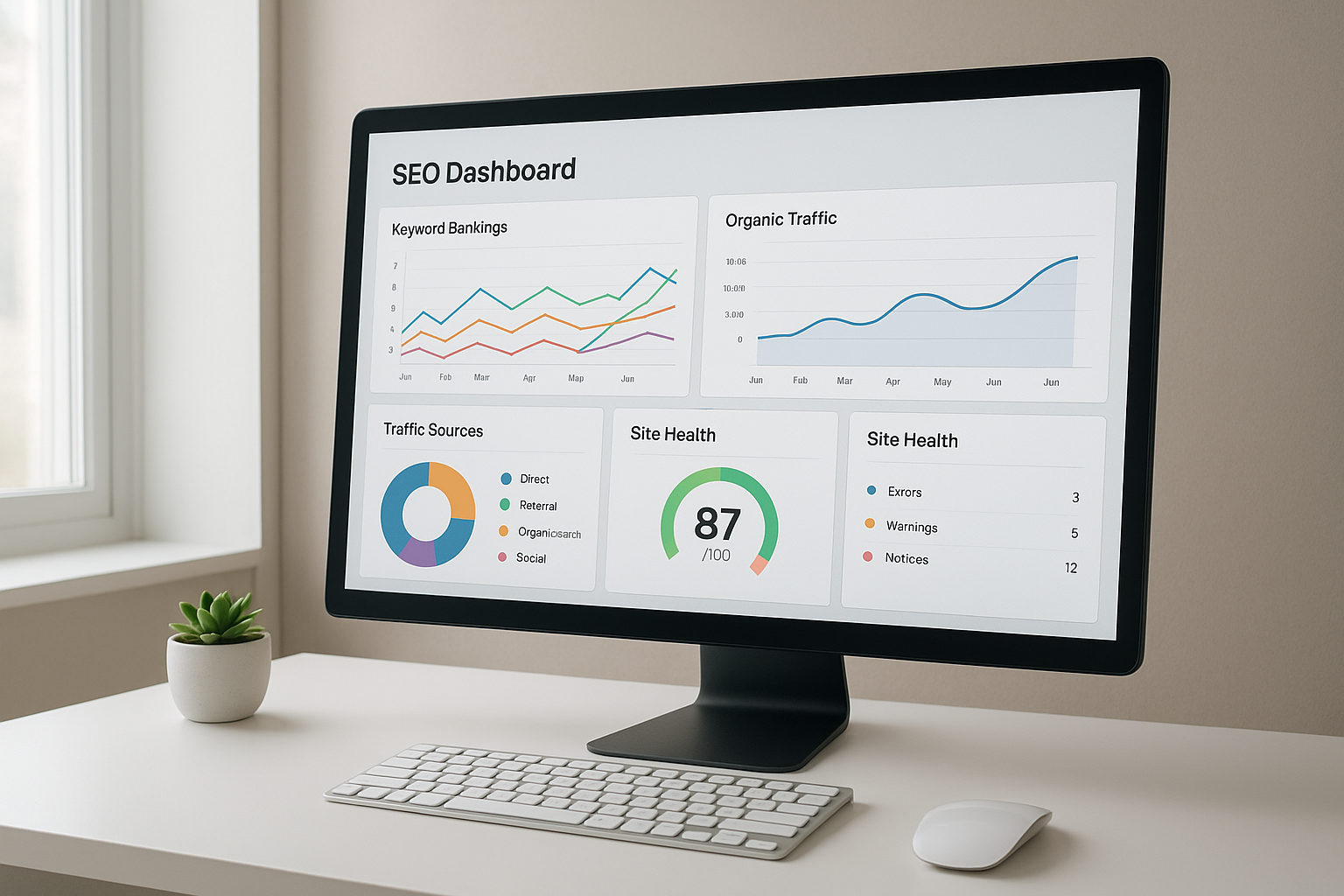
A well-designed search optimization tool consolidates keyword, ranking, and technical data into one actionable dashboard.
What Does a Search Optimization Tool Actually Do?
A search optimization tool is a platform that collects, processes, and presents search-related data so you can act on it strategically. At its core, it answers three fundamental questions: what are people searching for, how well is your site positioned for those searches, and what is preventing you from ranking higher.
Most tools accomplish this through a combination of keyword research databases, crawling engines that simulate how Googlebot reads your site, and backlink indexes that map the links pointing to your domain. Additionally, many modern platforms now incorporate AI-assisted content suggestions and SERP feature tracking.
According to Wikipedia’s overview of search engine optimization, SEO involves both technical and creative elements — and a strong tool supports both sides of that equation. For a deeper walkthrough, see our SEO: The Complete Guide to Search Engine Optimization.
The Five Core Features Worth Paying For
Not every feature in an SEO platform delivers equal value. However, five capabilities consistently separate high-performing tools from the rest.
1. Keyword Research — This is the foundation. A reliable keyword tool shows monthly search volume, keyword difficulty, click-through rate estimates, and related query clusters. Without this data, your content strategy is essentially guesswork. Explore our AI-powered keyword research guide for actionable workflows.
2. Rank Tracking — You need to know whether your pages are moving up or down for target queries. Daily or weekly rank tracking with historical charts lets you measure the real impact of your work over time.
3. Site Audit — Technical SEO issues like broken links, missing canonical tags, slow Core Web Vitals scores, and duplicate content silently suppress rankings. A site audit feature crawls your domain and prioritizes fixes by severity. For a focused test, learn how to fix broken links on your site.
4. Backlink Analysis — Links remain one of Google’s strongest ranking signals. Therefore, a tool that shows you who links to your competitors — but not to you — reveals clear link-building opportunities. Learn how to check backlink profile.
5. Competitor Intelligence — Understanding which keywords your rivals rank for, and where their traffic comes from, helps you find gaps in your own strategy. In practice, this feature alone often pays for a tool subscription many times over. Read our guide on AI-driven competitor tracking for tactical approaches.

Effective keyword research and competitor analysis are two pillars of any serious search optimization strategy.
Free vs. Paid: Which Option Fits Your Situation?
Free tools like Google Search Console provide genuine value, especially for monitoring indexing status, identifying crawl errors, and reviewing search performance data directly from Google. For many small site owners, it is a logical starting point.
However, free tools have meaningful limitations. They typically lack competitor data, deep backlink indexes, and historical ranking trends. As a result, businesses that rely on organic traffic as a primary growth channel almost always need a paid platform to compete effectively.
Paid tools like Ahrefs and Semrush start at roughly $99 to $129 per month. Meanwhile, mid-tier options exist in the $30 to $70 range and can serve freelancers or smaller sites well. The key is matching the tool’s data depth to the size and ambition of your SEO program.
How to Evaluate a Tool Before Buying
Before committing to a subscription, follow a simple evaluation process. First, take advantage of free trials or limited free plans to test the interface with your own domain data. A tool like best SEO tool that feels unintuitive will slow your workflow regardless of its raw capabilities.
Next, verify that the keyword database covers your niche and geography. Some tools have stronger data for English-language markets while others excel in multilingual or regional searches. Additionally, check whether the backlink index is updated frequently — stale link data leads to poor strategic decisions. For a compact checklist, see the Search Engine Optimisation Guide.
Finally, consider the quality of customer support and educational resources. Platforms that invest in documentation, tutorials, and responsive support teams help you extract more value from the subscription over time. Resources like Rank Authority also provide independent guidance on applying these tools effectively to real-world SEO campaigns.
Common Mistakes That Undermine Your Results
Even with the best tool available, certain habits consistently prevent users from seeing results. One of the most widespread errors is targeting keywords based purely on high search volume while ignoring search intent. A keyword with 50,000 monthly searches is worthless if the people searching it are not looking for what you offer.
Another common mistake is treating a site audit as a one-time task. In reality, technical SEO issues accumulate over time as content is added, templates change, and third-party scripts are installed. Therefore, scheduling regular audits — ideally monthly — keeps your technical foundation solid.
Finally, many users collect data without acting on it. A search optimization tool surfaces opportunities, but the actual ranking gains come from implementing changes consistently and measuring their impact. Data without action is simply overhead.
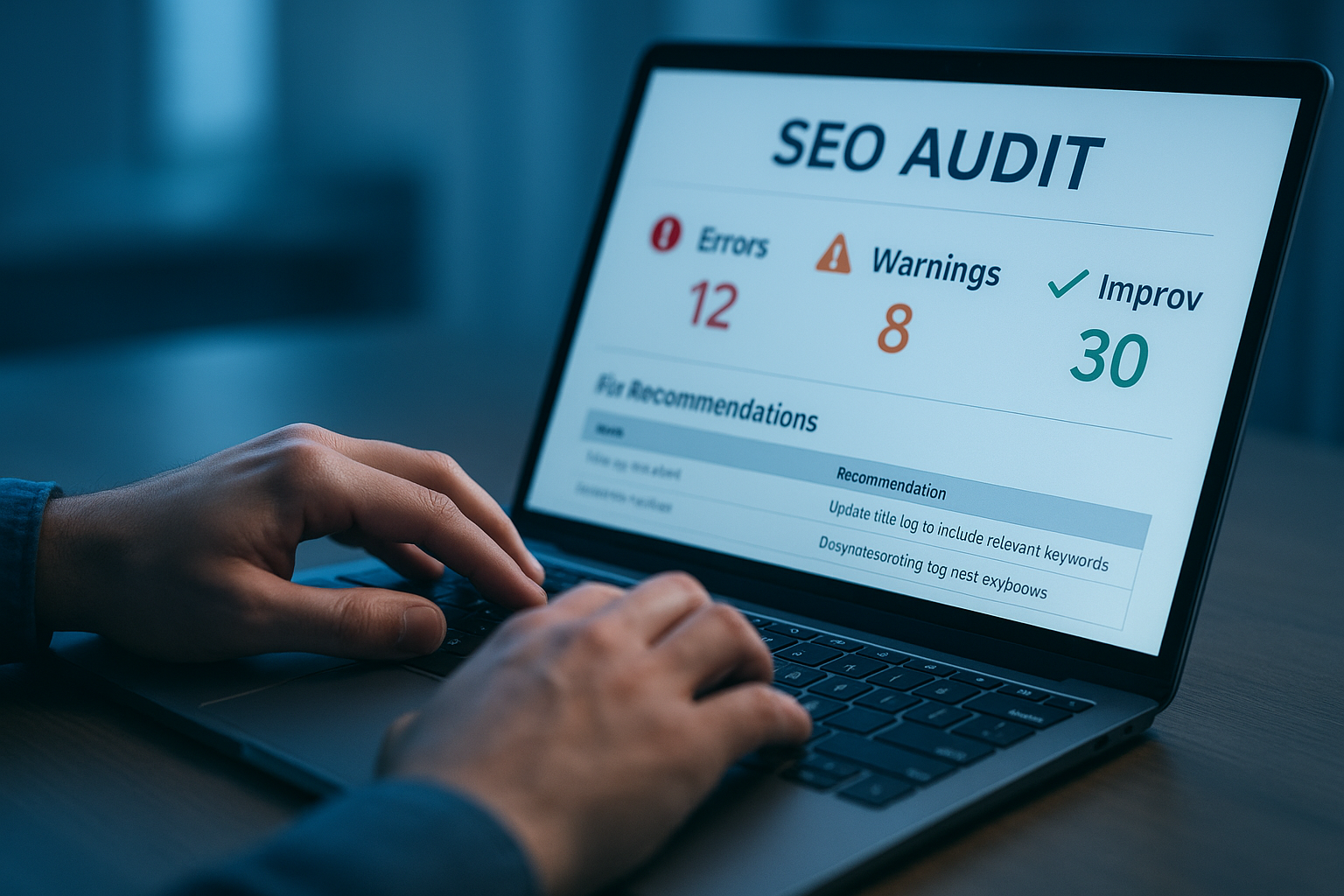
Running regular technical audits through your chosen tool helps catch ranking-suppressing issues before they compound.
Building a Practical Workflow Around Your Tool
Getting consistent value from any SEO platform requires building a repeatable workflow. Start each month by reviewing your rank tracking dashboard to identify pages that have dropped significantly. These pages deserve immediate attention — either content updates, new internal links, or technical fixes.
Next, run a keyword gap analysis against your top two or three competitors using search engine optimisation tools. This reveals topics your rivals rank for that you have not yet addressed. As a result, you build a content calendar grounded in real competitive data rather than intuition alone.
Close out the month by checking your backlink profile for new links earned and any potentially toxic links acquired. Learn more in our search engine optimization tools roundup. Over time, this rhythm turns your search optimization tool from a passive data source into an active growth engine. For deeper strategic frameworks, Rank Authority offers practical SEO playbooks that complement the data your tool provides.
Conclusion: Choosing the Right Tool for Long-Term Growth
The right search optimization tool is not necessarily the most expensive one — it is the one that matches your team’s skill level, your site’s complexity, and your growth goals. Because SEO is a long-term investment, the best tool for SEO is one you will actually use consistently and correctly.
Start with a clear audit of your current needs, test two or three platforms during trial periods, and prioritize tools that make your workflow faster rather than more complicated. With the right foundation in place, a search optimization tool becomes one of the highest-return investments in your digital marketing stack.
Frequently Asked Questions
What is a search optimization tool?
A search optimization tool is software that helps website owners improve their visibility in search engine results by analyzing keywords, auditing technical issues, tracking rankings, and monitoring backlinks. These tools provide actionable data so you can make informed decisions about your SEO strategy.
How does a search optimization tool improve rankings?
It improves rankings by identifying high-opportunity keywords, flagging technical errors that hurt crawlability, and revealing backlink gaps compared to competitors. Acting on these insights helps search engines understand and rank your content more favorably.
What features should I look for in an SEO platform?
Look for keyword research, rank tracking, site auditing, backlink analysis, and competitor intelligence. Additionally, ease of use and integration with platforms like Google Search Console are important factors to evaluate.
Is Google Search Console free to use?
Yes, Google Search Console is completely free and shows how your site performs in search results, including impressions, clicks, and indexing issues. However, it lacks advanced features like competitor analysis or deep backlink data found in paid tools.
How much does a professional SEO tool cost per month?
Professional SEO tools typically range from $30 to $500 per month depending on features and data limits. Entry-level plans from Semrush or Ahrefs start around $99 to $129 per month, while enterprise plans cost significantly more.
Can I use multiple SEO tools simultaneously?
Yes, many SEO professionals use multiple tools to cross-reference data and cover different capabilities. For example, you might combine Google Search Console for indexing data, Ahrefs for backlinks, and a dedicated rank tracker for daily monitoring.
What is the difference between on-page and off-page SEO features?
On-page optimization covers improvements to your content and HTML, such as title tags and internal linking, while off-page optimization addresses external signals like backlinks. Most all-in-one platforms address both areas within a single interface.
How long does it take to see ranking improvements?
SEO results typically take 3 to 6 months to become noticeable after implementing recommendations. However, technical fixes like resolving crawl errors can show faster improvements, sometimes within a few weeks of implementation.
What is the biggest mistake people make with SEO tools?
The most common mistake is focusing only on vanity metrics like keyword volume while ignoring search intent and content quality. A search optimization tool provides data, but applying that data strategically is what actually drives ranking improvements.
Do these tools work for local SEO campaigns?
Yes, many platforms include local SEO features such as local keyword tracking, Google Business Profile insights, and citation monitoring. Tools like Semrush and BrightLocal are particularly well suited for local search campaigns.
How do I run a website audit using an SEO platform?
Enter your domain into the tool’s site audit feature, which will crawl your pages and flag issues like broken links, missing meta tags, slow page speed, and duplicate content. Then prioritize fixes based on severity and potential traffic impact.
Is Rank Authority a useful resource for SEO tool guidance?
Yes, Rank Authority at rankauthority.com provides practical SEO guidance, tool comparisons, and strategy articles that help both beginners and experienced marketers get more value from their search optimization tools. It is a strong complement to any paid platform subscription.

