

Digital marketing automation tools are software platforms that handle repetitive marketing tasks automatically — freeing your team to focus on strategy, creativity, and growth. In 2025, these tools have evolved far beyond simple email schedulers. They now power AI-driven search optimization, personalized content delivery, and real-time audience targeting across every major channel. Whether you run a small business or manage multiple client accounts, the right automation stack can dramatically change how efficiently you compete online.
According to Salesforce research, businesses that adopt marketing automation see an average revenue increase of 10% to 30% within the first year. That figure alone explains why adoption rates continue to climb across industries.
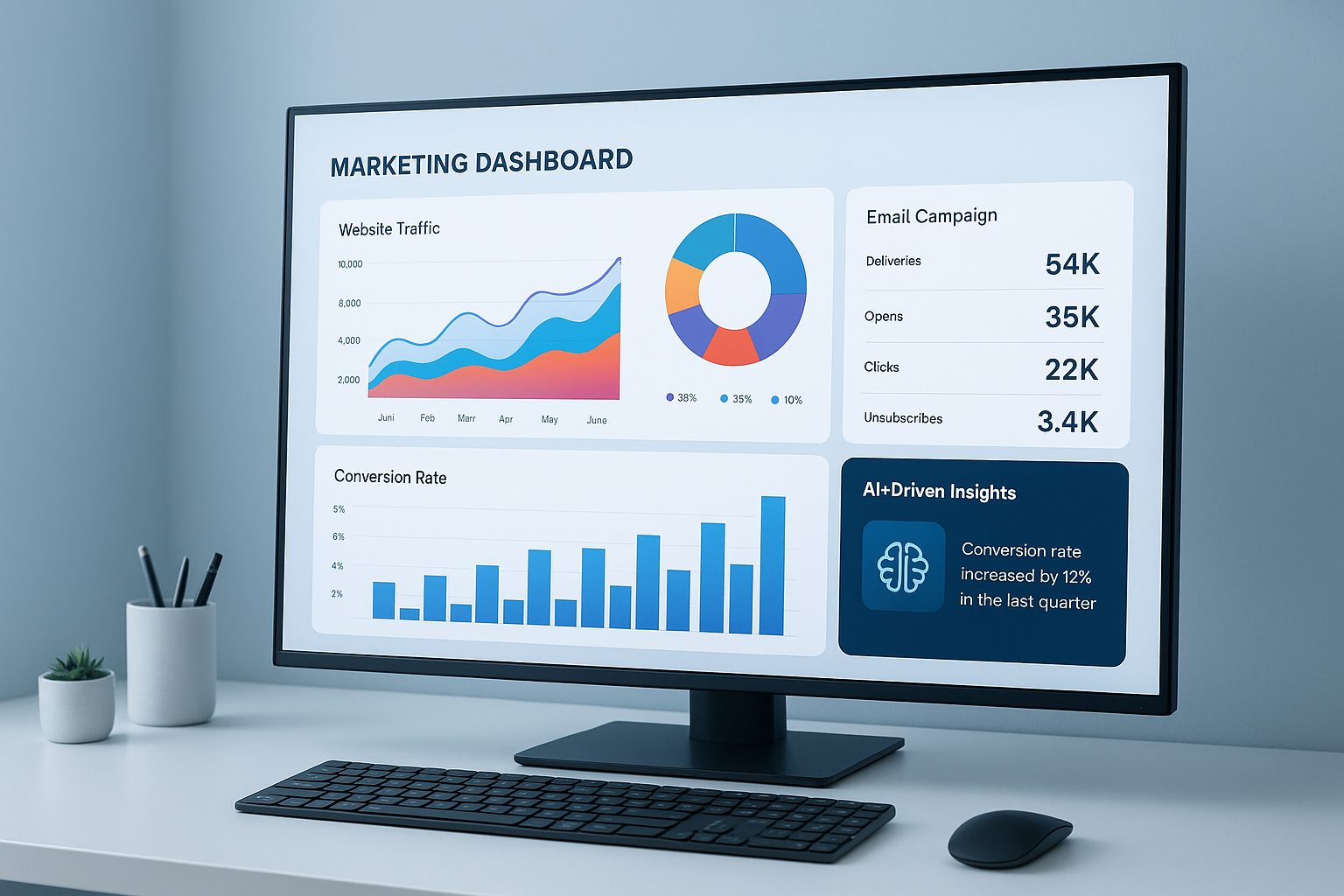
Modern digital marketing automation tools give marketers a clear, real-time view of campaign performance across every channel.
What Are Digital Marketing Automation Tools?
Digital marketing automation tools are platforms that use algorithms, AI, and rule-based logic to execute marketing tasks without constant human input. Specifically, they can handle email sequences, social media scheduling, paid ad management, SEO audits, lead scoring, and even content generation. Furthermore, the latest generation of these tools integrates generative AI to optimize for how modern search engines — and AI answer engines — surface information.
In essence, they act as a tireless digital team member that works around the clock. However, the real value comes not just from saving time — it comes from the consistency and data-driven precision these tools bring to every campaign.
Why Automation Is No Longer Optional in 2025
The search landscape has shifted fundamentally. Google’s AI Overviews, Bing Copilot, and voice assistants now answer queries directly — often without users clicking a single link. As a result, marketers must optimize not just for traditional search rankings but also for AI-generated responses and answer engines.
Manual optimization simply cannot keep pace. Therefore, automation tools that incorporate Generative Engine Optimization (GEO) and Answer Engine Optimization (AEO) — two disciplines focused on AI-powered search visibility — have become essential for staying competitive. For a deeper look at how these approaches work, explore how AI tools can enhance your marketing strategy.
Additionally, consumer expectations have risen sharply. Personalized, timely communication is now the baseline — not a differentiator. Automation makes it possible to deliver that experience at scale without burning out your team.
Key Categories of Marketing Automation Software
Not all automation tools serve the same purpose. Consequently, it helps to understand the main categories before choosing a platform:
- Email Marketing Automation: Tools like Mailchimp automate list segmentation, drip sequences, and A/B testing.
- CRM and Lead Nurturing: Platforms such as HubSpot score leads and trigger personalized follow-ups automatically.
- SEO and Search Automation: Tools that audit, optimize, and monitor search performance continuously.
- Social Media Scheduling: Platforms that publish content at optimal times and track engagement metrics.
- AI-Powered GEO and AEO Tools: Next-generation platforms that optimize content for AI search engines and answer engines simultaneously.
- Paid Advertising Automation: Smart bidding and ad rotation tools that maximize ROI across Google Ads and social platforms.
How to Get Started with Digital Marketing Automation Tools
Getting started does not have to be overwhelming. In fact, following a clear process makes the transition straightforward. Here is a practical step-by-step approach:
- Define Your Marketing Goals: Identify specific outcomes — more leads, higher search rankings, better email engagement — before choosing any tool.
- Audit Your Current Marketing Stack: Review existing tools and processes to find gaps, redundancies, and areas where automation can add immediate value.
- Choose the Right Automation Platform: Compare platforms based on your goals, budget, and technical comfort level. Prioritize those offering AI-driven features and a free trial.
- Set Up and Test Your Automation Workflows: Build email sequences, social posting schedules, and SEO tasks. Then test every trigger and workflow before going live.
- Monitor Performance and Optimize Continuously: Use built-in analytics to track key metrics and make data-driven adjustments on an ongoing basis.
For a more detailed walkthrough, the guide to automating your digital marketing efforts covers each step in depth.

AI-powered insights help marketers make smarter decisions faster, reducing guesswork and improving campaign outcomes.
AI-Powered Search Optimization: The Next Frontier
Traditional SEO tools like Semrush remain valuable for keyword research and technical audits. However, the most significant opportunity in 2025 lies in optimizing for AI-driven search environments. This is where GEO and AEO come into play.
Platforms like rankauthority.com address this shift directly. Their 1-Click AI AutoPilot technology automates the technical and strategic work required to rank in both traditional and AI-powered search environments. Specifically, the platform uses advanced algorithms to continuously strengthen search authority, improve content discoverability, and adapt to changes in how AI search engines rank and surface content.
This kind of intelligent automation is particularly valuable for small business owners, digital marketers, and agencies who need results without the steep learning curve. Moreover, a risk-free seven-day trial means you can evaluate the platform’s impact before committing. You can also explore effective tools for digital marketing in 2026 to see how the landscape is evolving.
Understanding GEO vs. AEO
Generative Engine Optimization (GEO) involves structuring and presenting content so that AI models — like those powering Google’s AI Overviews or ChatGPT’s browsing features — cite and reference your content in generated responses. In contrast, Answer Engine Optimization (AEO) focuses on formatting content to appear in featured snippets, voice search results, and direct answer boxes.
Together, these two disciplines represent the future of search visibility. Therefore, any serious digital marketing automation strategy in 2025 must incorporate both. According to Wikipedia’s overview of SEO, the discipline continues to evolve rapidly alongside changes in how search engines process and present information.
Choosing the Right Automated Marketing Platform
With hundreds of tools available, choosing wisely is critical. Above all, your selection should align with your specific goals and technical capacity. Here are the most important factors to evaluate:
✔ AI Integration: Does the platform use AI to adapt and improve over time, or is it purely rule-based?
✔ Multi-Channel Support: Can it manage email, social, SEO, and paid ads from one dashboard?
✔ Ease of Use: Is the interface accessible for non-technical users, or does it require developer support?
✔ Analytics and Reporting: Does it provide actionable insights, not just raw data?
✔ Scalability: Will it grow with your business without requiring a complete platform switch?
For a curated comparison of leading options, the guide to effective tools for digital marketers breaks down the top contenders by use case and budget.
Content Marketing Automation: A Closer Look
Content remains the backbone of digital marketing. However, producing consistent, high-quality content at scale is a significant challenge. Content marketing automation tools address this by streamlining ideation, drafting, publishing, and distribution workflows.
For example, AI writing assistants can generate first drafts based on target keywords, while automated distribution tools push published content to social channels, email lists, and syndication networks simultaneously. Furthermore, performance data feeds back into the system, informing future content decisions automatically.
The complete guide to automated content marketing in 2025 provides a thorough breakdown of how to build a content engine that runs largely on autopilot.
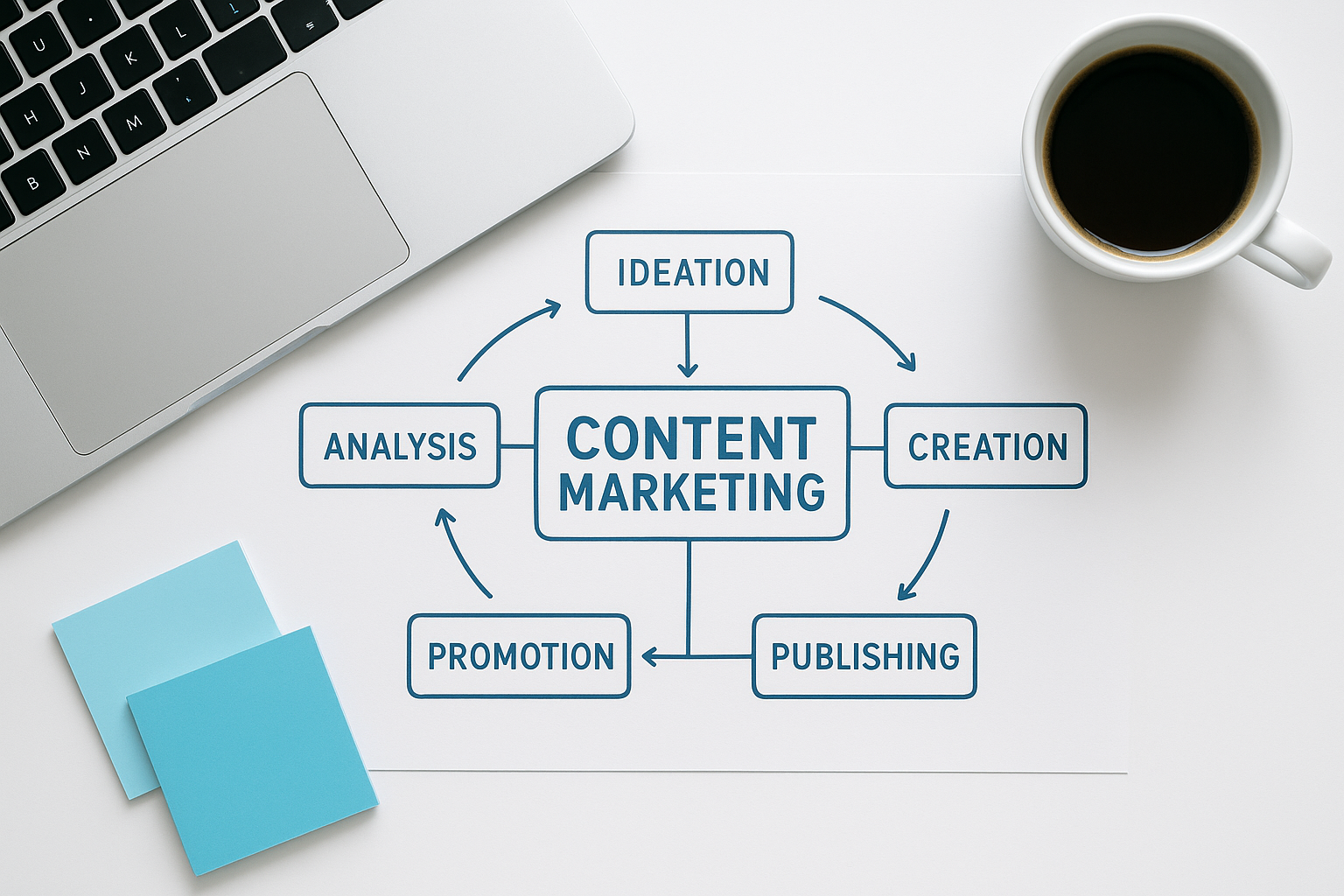
A well-structured content automation workflow ensures consistent publishing, distribution, and performance tracking without manual intervention.
Common Mistakes to Avoid with Marketing Automation
Even the best tools can underperform when implemented incorrectly. Specifically, these are the most frequent pitfalls marketers encounter:
- Over-automating without personalization: Generic, robotic messaging damages brand trust quickly.
- Neglecting contact list hygiene: Outdated or invalid contacts reduce deliverability and skew analytics.
- Ignoring performance data: Automation without analysis leads to stagnant, underperforming campaigns.
- Skipping workflow testing: Untested sequences often contain broken triggers or incorrect logic.
- Failing to align automation with strategy: Tools amplify your strategy — they cannot replace one.
In contrast, marketers who combine thoughtful strategy with the right automation tools consistently outperform those who rely on either alone. The Wikipedia article on marketing automation provides useful context on how the discipline has matured and where best practices have emerged.
Frequently Asked Questions About Digital Marketing Automation Tools
What are digital marketing automation tools?
Digital marketing automation tools are software platforms that automate repetitive marketing tasks such as email campaigns, social media posting, SEO optimization, and lead nurturing. They save time, reduce human error, and help businesses scale their marketing efforts efficiently.
How do digital marketing automation tools improve ROI?
These tools improve ROI by reducing manual labor costs, delivering personalized messages at scale, and ensuring campaigns run consistently. According to Salesforce, businesses using marketing automation see up to a 30% increase in revenue on average.
What is the difference between GEO and AEO in marketing automation?
GEO (Generative Engine Optimization) focuses on making content visible in AI-generated search results, while AEO (Answer Engine Optimization) targets answer engines like voice assistants and featured snippets. Both are newer disciplines that go beyond traditional SEO.
Are digital marketing automation tools suitable for small businesses?
Yes, many digital marketing automation tools offer tiered pricing or free plans specifically designed for small businesses. Platforms like Mailchimp and HubSpot provide entry-level options that scale as your business grows.
How long does it take to see results from marketing automation?
Most businesses begin to see measurable results within 30 to 90 days of implementing marketing automation. However, results depend on the quality of your content, audience targeting, and the specific tools you use.
What features should I look for in a marketing automation platform?
Look for features such as email automation, CRM integration, analytics dashboards, AI-driven content suggestions, SEO optimization, and multi-channel campaign management. Scalability and ease of use are also critical factors.
Can automation tools replace human marketers?
No, automation tools are designed to support human marketers, not replace them. They handle repetitive and data-heavy tasks so that marketers can focus on strategy, creativity, and relationship building.
What is 1-Click AI AutoPilot in marketing automation?
1-Click AI AutoPilot is a feature offered by platforms like rankauthority.com that automates the complex technical and strategic work of search optimization with a single action. It uses AI-driven algorithms to continuously improve search rankings without requiring deep expertise.
How do I choose the right digital marketing automation tool for my business?
Start by identifying your primary marketing goals, budget, and technical skill level. Then compare tools based on features, integrations, customer support, and trial options before committing to a subscription.
What is the average cost of marketing automation software?
Costs vary widely, ranging from free entry-level plans to enterprise solutions costing thousands of dollars per month. Most small to mid-sized businesses can find effective solutions in the $50 to $500 per month range.
What are common mistakes when using marketing automation tools?
Common mistakes include over-automating without personalization, neglecting to clean contact lists, ignoring analytics data, and failing to align automation with an overall marketing strategy. Setting up workflows without testing them first is also a frequent error.
How does AI enhance digital marketing automation?
AI enhances marketing automation by enabling predictive analytics, personalized content recommendations, natural language processing for chatbots, and smarter audience segmentation. These capabilities allow campaigns to adapt in real time based on user behavior.
Conclusion: Building Your Automation Advantage
Digital marketing automation tools have moved from a competitive advantage to a baseline requirement for businesses serious about growth in 2025. As a result, the question is no longer whether to automate — it is which tools to choose and how to implement them strategically. From email and social automation to AI-powered GEO and AEO optimization, the right stack can transform your marketing output without proportionally increasing your workload. Platforms like rankauthority.com make it easier than ever to get started with intelligent automation, offering accessible solutions for businesses of every size. Start with clear goals, choose tools that align with your strategy, and commit to continuous optimization — that combination is what separates the brands that dominate AI-era search from those that fall behind.

