

Generative AI for content marketing is reshaping how brands plan, write, and distribute content at scale. Instead of relying solely on human writers to draft every blog post, email, or social caption, marketing teams now pair human strategy with AI models that generate first drafts, headlines, and even visuals in seconds. As a result, businesses of every size can compete for attention in an increasingly crowded digital landscape without ballooning their headcount. Author: RankAuthority Editorial Team. Last updated: 2026-07-30.
This shift matters because search itself is changing. In addition to traditional Google rankings, AI-powered answer engines and generative search experiences now decide which content gets surfaced to users. Therefore, understanding how to use generative AI effectively is no longer optional for marketers who want lasting visibility.
Quick answer: Generative AI for content marketing uses machine learning models to create, optimize, and personalize marketing content such as blog posts, product copy, and social media assets, helping teams produce more relevant material faster while maintaining SEO and brand consistency.
What Is Generative AI for Content Marketing?
Generative AI for content marketing is the practice of using AI systems, such as large language models, to produce written, visual, or audio content that supports marketing goals. Specifically, these tools draft blog posts, generate ad copy, and even suggest content strategies based on data patterns. Unlike older automation software that filled in fixed templates, generative AI creates original combinations of language and imagery tailored to a specific prompt.
Consequently, marketers can move faster from idea to published asset. However, the technology still requires human oversight to ensure accuracy, tone, and originality remain intact before content reaches an audience.

Generative AI for content marketing tools help teams draft, review, and optimize content in one workflow.
How AI-Powered Content Creation Is Changing Marketing Strategy
AI-powered content creation is transforming how marketing teams approach production timelines. For example, a task that once took a writer several hours, such as drafting a product description, can now be completed in minutes with an AI-driven SEO playbook-backed workflow. In particular, this shift frees up strategists to focus on research, audience insight, and creative direction rather than repetitive writing tasks.
Furthermore, generative models can analyze top-performing content across the web and suggest structures likely to satisfy both search engines and AI answer engines. According to industry research from Semrush, a majority of marketers now report using AI tools in some part of their content workflow, signaling that adoption has moved well past the experimental stage. For SEO-specific tactics, review the AI-driven SEO playbook.
As a result, brands that delay adoption risk falling behind competitors who are already publishing faster and testing more content variations. In contrast, early adopters gain compounding advantages in search visibility over time.
Key Benefits of AI Content Generation for Marketing Teams
AI content generation offers several concrete advantages beyond simple speed. Above all, it allows small teams to produce content volume that once required much larger staff. In addition, consistency improves because AI can apply the same brand voice guidelines across hundreds of pieces.
- Faster ideation: Generate dozens of topic angles in minutes rather than hours of brainstorming.
- Scalable personalization: Tailor messaging for different audience segments without rewriting from scratch.
- Improved search coverage: Identify content gaps competitors have not addressed yet.
- Cost efficiency: Reduce reliance on large freelance or agency budgets for first drafts.
That said, these benefits only materialize when teams pair AI output with careful editing. Otherwise, generic or inaccurate content can undermine trust and search rankings alike.
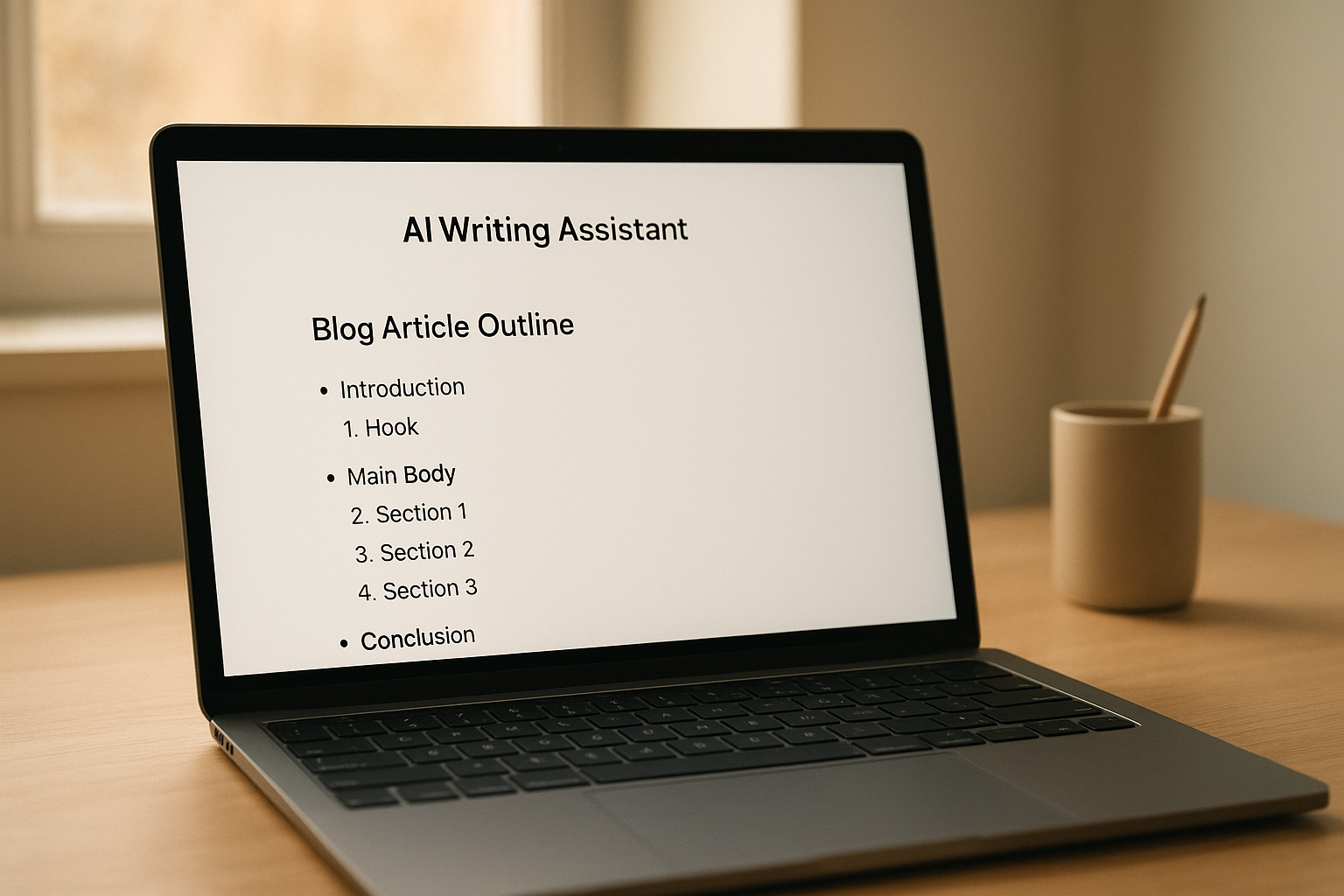
AI content generation tools can outline entire articles before a writer refines the final draft.
How to Implement Generative AI for Content Marketing
Implementing generative AI for content marketing successfully requires a clear process rather than random experimentation. The following steps outline a practical rollout that most marketing teams can follow within a single quarter. For a broader automation playbook, review the automated content marketing guide.
- Audit existing content. Review current performance data to identify topics, formats, and search intents your site does not yet cover.
- Select a generative AI platform. Choose a solution built for both traditional SEO and generative engine optimization, since AI answer engines increasingly influence discovery.
- Build detailed prompts. Specify audience, tone, target keyword, and structure so the AI output closely matches brand voice and search intent.
- Edit and fact-check drafts. Verify every claim, statistic, and quote before publishing to protect accuracy and search trust signals.
- Publish and monitor performance. Track rankings, engagement, and AI answer engine visibility, then refine prompts based on measurable results.
Notably, platforms like RankAuthority automate much of this workflow through 1-Click AI AutoPilot technology, which reduces the manual effort typically required to align content with both search engines and AI-driven discovery tools.
Choosing AI-Driven Content Marketing Tools and Platforms
Selecting the right AI-driven content marketing tool matters as much as the strategy behind it. In particular, marketers should evaluate whether a platform supports answer engine optimization, since AI search results now pull directly from well-structured, authoritative content.
For a deeper comparison of leading options, this complete guide to AI tools for content marketing breaks down features across popular platforms. Similarly, if you are still deciding whether an AI content platform fits your workflow, this AI content creation platform guide outlines what to look for before committing to a subscription.
Meanwhile, teams weighing whether their industry is a strong fit for automation should review this breakdown of which businesses benefit most from generative engine optimization before scaling their investment.
Common Mistakes to Avoid With Generative AI for Content Marketing
Even with strong tools, mistakes can undermine results. For instance, publishing AI drafts without human review often produces generic phrasing that fails to rank well or build trust. Similarly, ignoring fact-checking can introduce inaccurate statistics that damage credibility.
Above all, treating generative AI as a full replacement for strategy, rather than a productivity multiplier, tends to backfire. Instead, the most successful teams use AI to accelerate research and drafting while keeping editorial judgment firmly in human hands. To explore practical implementation tactics further, see this guide on how to leverage AI for content marketing and this related resource on practical steps for AI-driven content strategy.
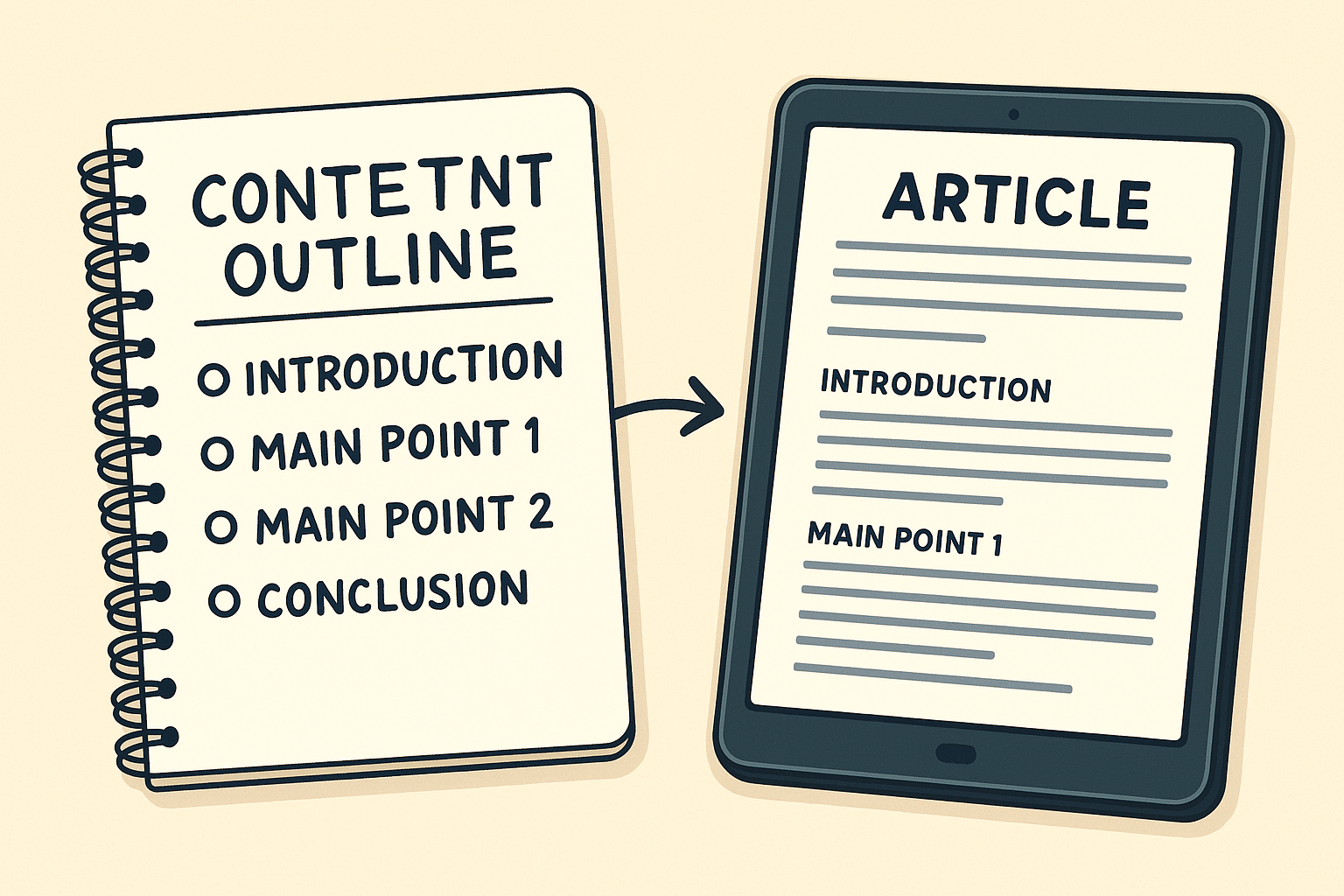
Editing and fact-checking transform raw AI drafts into publish-ready marketing content.
Measuring Success With AI Content Strategy
Ultimately, an effective AI content strategy depends on measurement, not just output volume. Therefore, teams should track organic traffic, engagement time, and increasingly, appearances within AI-generated answer summaries. For technical grounding on how generative models function, the National Institute of Standards and Technology’s AI resources offer a useful, government-backed overview of generative AI fundamentals.
Additionally, resources like the Wikipedia entry on generative artificial intelligence provide helpful background for teams still building internal understanding of the underlying technology before scaling adoption.
Frequently Asked Questions About Generative AI for Content Marketing
What is generative AI for content marketing?
Generative AI for content marketing is the use of AI models that produce original text, images, or video to plan, draft, and optimize marketing content. It helps teams scale output while maintaining brand voice and search relevance.
How does generative AI improve content marketing results?
It speeds up ideation, drafting, and editing while identifying gaps competitors miss. As a result, teams publish more relevant content in less time.
Is generative AI content safe for SEO?
Yes, when the output is edited, fact-checked, and enriched with original insight. Search engines penalize low-quality automated text, not AI assistance itself.
How much does generative AI content marketing software cost?
Pricing typically ranges from free tiers to several hundred dollars per month depending on volume and automation depth. Many platforms, including RankAuthority, offer a risk-free trial period before committing.
How long does it take to see results from AI content marketing?
Most businesses notice improved publishing speed within days, while measurable ranking or traffic gains typically appear within 4 to 12 weeks. Consistency and quality editing accelerate the timeline.
What is the difference between generative AI and traditional content automation?
Traditional automation follows fixed templates, while generative AI creates original, context-aware text and adapts to new prompts. This makes it far more flexible for varied marketing needs.
Can small businesses use generative AI for content marketing effectively?
Absolutely, small businesses often benefit the most because AI removes the need for large in-house content teams. It levels the playing field against bigger competitors with more resources.
What are common mistakes when using generative AI for content marketing?
Common mistakes include publishing unedited AI drafts, ignoring fact-checking, and neglecting brand voice consistency. Skipping human review is the most frequent cause of quality issues.
Does generative AI replace human content marketers?
No, it augments human marketers by handling repetitive drafting and research tasks. Strategy, editing, and creative direction still require human judgment.
How do I choose the best generative AI tool for content marketing?
Look for tools that integrate SEO and answer engine optimization features, not just text generation. Evaluate ease of use, output quality, and support for multiple content formats.
What types of content can generative AI create for marketing?
Generative AI can produce blog posts, social captions, email copy, product descriptions, and even video scripts. Many platforms also generate accompanying images.
How does generative AI for content marketing relate to answer engine optimization?
Generative AI can structure content to directly answer user questions, which improves visibility in AI-driven answer engines. This overlaps closely with generative engine optimization strategies.
What skills do marketers need to use generative AI well?
Marketers need strong prompt writing, editing judgment, and basic SEO knowledge to guide AI output effectively. Familiarity with fact-checking tools also helps maintain accuracy.
Final Thoughts on Generative AI for Content Marketing
In summary, generative AI for content marketing offers a practical path to producing more relevant content, faster, without sacrificing quality when paired with careful human oversight. From drafting and personalization to measurement and answer engine visibility, AI now touches nearly every stage of the content lifecycle. Therefore, marketers who combine strong prompts, disciplined editing, and the right platform stand to gain lasting search advantages. As AI-driven discovery continues to reshape how audiences find information, adopting generative AI for content marketing today positions brands to stay visible well into the future. Last updated: 2026-08-14.

