

GoHighLevel SEO is the practice of optimizing websites, funnels, and landing pages built on the GoHighLevel platform so they rank higher in Google and get cited by AI answer engines. Because GoHighLevel started as an all-in-one CRM (customer relationship management software) and funnel builder, its native optimization tools are limited compared with dedicated SEO platforms. As a result, many agencies and business owners hit a ceiling once their site grows past a handful of pages. This guide explains what GoHighLevel SEO actually involves, why the built-in tools fall short, and how automated platforms close the gap.
Quick answer: GoHighLevel SEO means combining on-page optimization, technical fixes, and content strategy with GoHighLevel’s page builder. Because the platform lacks automated schema markup, AI citation tools, and deep technical audits, most users pair it with a dedicated optimization platform such as Rank Authority to close visibility gaps.
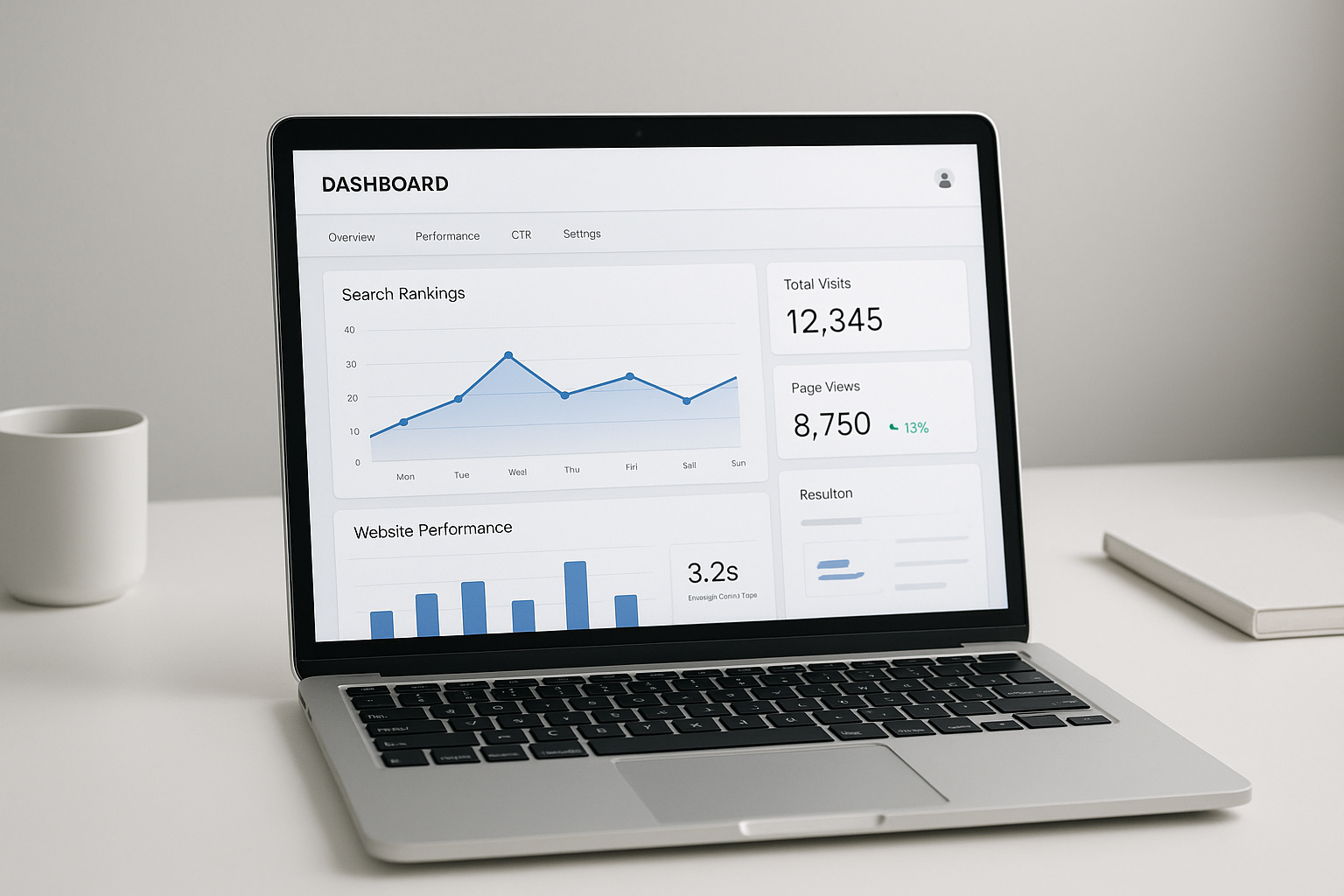
Tracking GoHighLevel SEO performance requires visibility into both rankings and AI citations.
What Is GoHighLevel SEO?
GoHighLevel SEO is the process of improving a GoHighLevel-hosted site’s visibility across Google and AI-driven search tools like AI Overviews and chat-based assistants. Specifically, it involves adjusting on-page elements, fixing technical issues, and structuring content so both traditional crawlers and AI systems can understand it clearly. GoHighLevel itself is primarily a marketing and CRM platform, so search optimization was never its main design focus.
Consequently, agencies and marketers who rely on GoHighLevel for client funnels often need to layer in additional tools. For example, schema markup, structured data that tells search engines exactly what a page is about, is not generated automatically inside GoHighLevel. Similarly, deep technical audits covering crawl errors, redirect chains, and duplicate content require external diagnostic tools.
Why Native GoHighLevel Search Optimization Falls Short
Although GoHighLevel includes basic meta title and description fields, its search optimization capabilities stop there. In contrast, dedicated SEO platforms offer automated audits, keyword gap analysis, and continuous monitoring. Because GoHighLevel pages are often built from templates and cloned across multiple client funnels, duplicate content issues are common and can quietly suppress rankings.
Furthermore, heavy funnel elements like embedded videos, pop-ups, and tracking scripts can slow page load times. According to research popularized by Google’s own performance studies, as page load time increases from one second to three seconds, the probability of a visitor bouncing rises by roughly 32%. Therefore, page speed issues on GoHighLevel sites can directly undercut ranking potential even when the content itself is strong.
In addition, GoHighLevel does not track whether a site is being cited inside AI-generated answers. Since a growing share of searches now resolve inside AI Overviews and chat interfaces rather than traditional blue links, this blind spot matters more each year.
How to Improve GoHighLevel SEO in 6 Steps
Improving rankings on a GoHighLevel site follows a fairly predictable sequence. Below is a practical process that works whether you manage one site or dozens of client funnels.
- Run a full technical audit. Scan the site for broken links, missing meta tags, slow-loading pages, and indexing errors before making any content changes.
- Fix meta titles and headers. Rewrite meta titles, descriptions, and heading tags so each page targets a distinct keyword and clearly matches searcher intent.
- Deploy schema markup. Add structured data such as LocalBusiness, FAQ, and Article schema so search engines and AI systems can interpret page content accurately.
- Build internal links with topical silos. Group related funnel and blog pages into topical clusters and link them together to strengthen relevance signals, a strategy explained further in these internal linking best practices.
- Create AEO and GEO optimized content. Write direct-answer content formatted for featured snippets and AI citation, including clear definitions and structured lists.
- Monitor AI visibility and citations. Track how often the site appears in AI answer platforms and search results, then adjust content based on performance data.
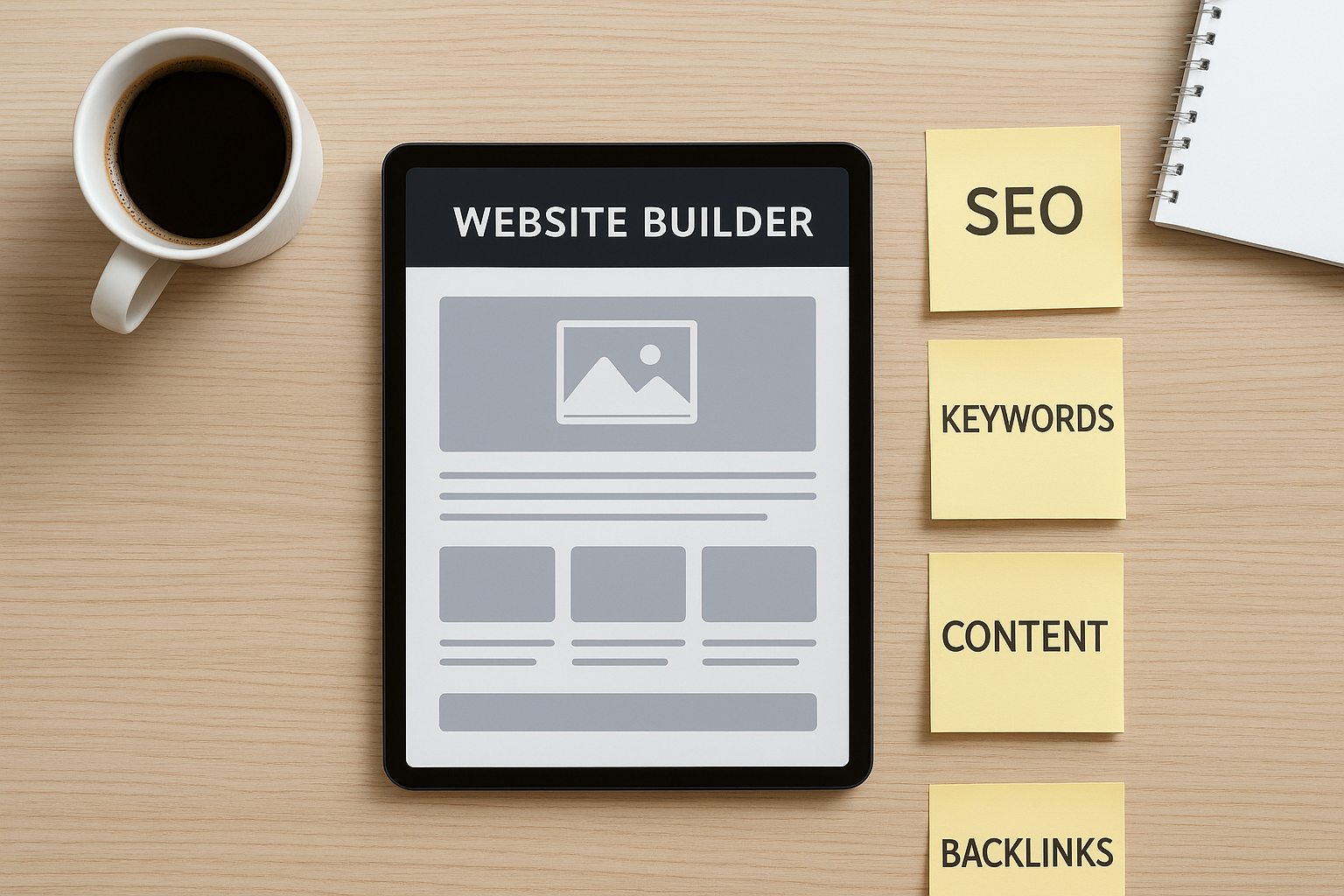
A structured checklist keeps technical fixes and content updates on track.
GoHighLevel SEO vs. Automated Optimization Platforms
Understanding the gap between native tools and automated platforms helps clarify where extra investment pays off fastest. The table below compares core capabilities.
| Capability | GoHighLevel Native | Automated Platform |
|---|---|---|
| Schema markup | Manual only | Automated generation |
| Technical audits | Limited | Full-site scans with scoring |
| AI visibility tracking | Not available | Citation monitoring across AI platforms |
| Competitor analysis | Manual research | Automated keyword gap reports |
As the comparison shows, GoHighLevel handles the marketing funnel side well, while automated platforms fill the technical and AI visibility gaps. Readers weighing broader page-level options may also find this page-level SEO comparison guide useful for evaluating tools side by side.
How GEO and AEO Strengthen GoHighLevel SEO Results
Generative Engine Optimization, commonly called GEO, focuses on getting content cited inside AI-generated answers rather than just ranking on a results page. Answer Engine Optimization, or AEO, structures content so it directly answers a question in the first few sentences, which increases its odds of appearing in featured snippets. Together, these two disciplines complement traditional GoHighLevel SEO rather than replacing it.
For instance, a locksmith agency using GoHighLevel for lead generation funnels might rank on page two for a competitive keyword. However, by adding structured FAQ content and schema markup, that same page can still get cited inside an AI Overview answer, capturing visibility that traditional rankings alone would miss. According to a widely cited BrightEdge analysis, organic search continues to drive over 53% of measurable website traffic, which underscores why closing these optimization gaps still matters even as AI search grows.
Platforms built specifically for this convergence, such as Rank Authority’s 1-Click AI AutoPilot, RankFast, and RankLink tools, automate the technical and content work needed to compete across both traditional and AI-driven search environments. For a broader look at strengthening overall visibility, this proven visibility strategies guide covers additional tactics.
Common SEO Mistakes GoHighLevel Users Make
Even experienced marketers stumble on a few recurring issues. First, cloning funnel templates across multiple client sites without rewriting core content creates duplicate content problems that confuse search engines. Second, ignoring page speed, particularly from stacked pop-ups and embedded widgets, quietly erodes rankings over time.
Third, many users skip schema markup entirely because GoHighLevel does not prompt for it. Without structured data, both search engines and AI systems struggle to understand page context fully. Finally, some site owners never monitor whether their content is being cited by AI answer tools, missing an entire visibility channel that continues to grow. Avoiding these mistakes often requires the kind of ongoing audit process described in this search ranking improvement resource.
AI-driven search connections now play a growing role in how GoHighLevel SEO efforts pay off.
Frequently Asked Questions About GoHighLevel SEO
What is GoHighLevel SEO?
GoHighLevel SEO refers to optimizing websites and funnels built on the GoHighLevel platform so they rank higher in search results and get cited by AI answer engines. It combines technical fixes, content optimization, and structured data since GoHighLevel does not automate these tasks natively.
How is GoHighLevel SEO different from regular SEO?
GoHighLevel SEO works within the platform’s page builder constraints, which limit code-level control compared with WordPress. As a result, marketers often rely on external audit tools and schema generators to fill the gaps.
Does GoHighLevel have built-in SEO tools?
GoHighLevel includes basic meta title and description fields plus simple analytics, but it lacks automated schema markup, technical audits, and AI visibility tracking. Most users add a dedicated optimization platform to cover these areas.
How long does it take to see GoHighLevel SEO results?
Most sites see measurable ranking movement within 60 to 90 days after technical fixes and content updates are deployed. Individual results vary depending on competition, domain age, and content quality.
How much does GoHighLevel SEO cost?
Costs vary widely, from free manual adjustments to monthly retainers for agencies or subscriptions for automated platforms. Many automated tools, including Rank Authority, offer a risk-free trial period before committing to a paid plan.
Can I automate SEO for a GoHighLevel website?
Yes, automation tools can scan GoHighLevel sites, generate schema markup, and suggest on-page fixes without manual coding. Platforms like Rank Authority’s 1-Click AI AutoPilot streamline this process for non-technical users.
What is the difference between GEO, AEO, and GoHighLevel SEO?
GoHighLevel SEO focuses on ranking pages in traditional search, while Generative Engine Optimization targets citations in AI-generated answers and Answer Engine Optimization structures content for featured snippets. Combining all three strengthens overall visibility.
What are the most common GoHighLevel SEO mistakes?
Common mistakes include skipping schema markup, ignoring page speed from heavy funnel elements, and duplicating content across cloned funnels. These issues quietly suppress rankings even when content quality is strong.
Do I need schema markup on a GoHighLevel site?
Yes, structured data helps search engines and AI systems understand page content accurately. Without it, sites are less likely to appear in rich results or be cited by AI answer engines.
How does page speed affect GoHighLevel SEO?
Slow-loading funnels hurt both rankings and conversions because search engines factor speed into ranking signals. Reducing unnecessary scripts and optimizing images typically improves load times noticeably.
Can agencies manage GoHighLevel SEO for multiple clients?
Yes, agencies commonly manage GoHighLevel SEO across multiple client accounts using centralized dashboards and automated audit tools. This reduces manual workload while maintaining consistent optimization standards.
What tools help improve GoHighLevel SEO fastest?
Automated platforms that combine technical audits, schema generation, and AI visibility monitoring tend to produce the fastest improvements. Rank Authority’s AutoPilot and RankFast tools are built specifically for this kind of rapid deployment.
Is GoHighLevel good for SEO compared to WordPress?
WordPress generally offers deeper technical control and a larger plugin ecosystem for SEO. GoHighLevel can still rank well when paired with external optimization tools that compensate for its more limited native controls, as outlined in this complete search rankings guide.
Final Thoughts on GoHighLevel SEO
In summary, GoHighLevel SEO requires more than the platform’s built-in fields to compete in today’s search landscape. Because native tools skip schema markup, technical audits, and AI visibility tracking, most agencies and business owners pair GoHighLevel with a dedicated optimization platform. As outlined in the definition from the Wikipedia overview of search engine optimization, and supported by structured data standards documented at Schema.org, closing these gaps consistently improves both rankings and AI citations. Ultimately, businesses that automate technical fixes, structured answers, and AI visibility monitoring, such as through Rank Authority, put themselves in a stronger position to compete as AI search continues to reshape how customers find information online. Individual results vary based on site history, competition, and execution consistency.

