

Search authority building tools are becoming essential now that artificial intelligence reshapes how people find answers online. Instead of relying on guesswork, these platforms combine data-driven audits, content optimization, and automated technical fixes to help a website earn trust with both classic search engines and newer AI-driven answer engines. Consequently, business owners and marketers who lack time to master every algorithm update can shortcut months of manual work into a streamlined, repeatable process. Author: RankAuthority editorial team.
Quick answer: Search authority building tools are software platforms that automate the technical audits, content signals, and structured data needed to strengthen a website’s credibility with search engines and AI answer engines. The best tools combine an authority score, automated fixes, and ongoing monitoring so a site keeps pace with algorithm and AI model changes.

Search authority building tools track trust signals and surface fixes in one dashboard. See AI-driven content discovery.
What Are Search Authority Building Tools?
Search authority building tools are, at their core, systems designed to measure and improve how much trust search engines and AI models place in a website. In particular, they look at technical health, content depth, structured data (a machine-readable format that describes page content to search engines), and off-site signals like backlinks. Learn more about AI-driven search ranking.
Rather than treating SEO as a one-time project, these platforms treat authority as an ongoing score that rises or falls based on continuous performance. As a result, teams can prioritize the fixes that matter most instead of guessing which changes will move the needle. This approach mirrors the framework outlined in Google’s guidance on creating helpful, people-first content, which rewards expertise and trustworthiness over keyword tricks.
Why Building Search Authority Matters for AI-Powered Search
AI-driven content discovery, chat-based assistants, and voice search now sit ahead of traditional blue links for many queries. Industry research from BrightEdge indicates that AI Overviews now surface on more than half of tracked Google searches, a sharp jump from prior years. Therefore, a site that lacks strong authority signals risks becoming invisible in the exact moment a customer is searching.
In addition, generative engines tend to cite sources they judge trustworthy and well-structured, similar to how generative artificial intelligence systems pull from patterns in high-quality training data. Consequently, building authority is no longer optional for brands that want visibility across both search and answer engines. For a deeper breakdown of these shifts, the search authority optimization strategies for 2025 guide covers the topic in more depth.
Core Features to Look for in Authority Building Platforms
Not every SEO tool qualifies as a genuine authority builder. Above all, look for platforms that combine an authority scoring model with automated remediation rather than static reports alone.
- Continuous technical audits that flag crawl errors, broken links, and slow-loading pages.
- Structured data automation for schema markup that helps AI crawlers interpret content correctly.
- Content scoring against E-E-A-T signals (Experience, Expertise, Authoritativeness, Trustworthiness).
- Backlink quality monitoring rather than raw link-count tracking.
- AI answer-engine visibility tracking, showing whether pages are cited in generative summaries.
Platforms such as RankAuthority’s 1-Click AI AutoPilot bundle these features into a single automated workflow, which is particularly useful for small teams managing several client sites at once. For a side-by-side comparison of options, the tools experts recommend for improving search authority resource is worth reviewing.

AI answer engines weigh multiple trust signals before citing a source.
How Search Authority Building Tools Work: A Step-by-Step Process
Understanding the workflow behind these platforms makes it easier to evaluate whether one fits your needs. Below is the typical five-step process most authority tools follow. Also see content discoverability tools for complementary tooling recommendations.
- Run a baseline authority audit. Start by scanning your site with a search authority building tool to identify current trust signals, backlink quality, and technical gaps that limit visibility.
- Fix technical and structured data gaps. Address crawl errors, missing schema markup, and slow page speed so search engines and AI crawlers can fully understand and index your content.
- Optimize content for AI answer engines. Rewrite key pages with clear definitions, direct answers, and structured headings so generative engines can extract and cite your content accurately.
- Automate ongoing monitoring. Set up automated tracking so the tool continuously flags new authority opportunities, competitor moves, and ranking shifts without manual review.
- Track authority score improvements over time. Review monthly authority score reports to confirm which optimizations are working and where additional content or links are still needed.
For a full walkthrough of this workflow applied to a real site, see the complete guide to improving website search authority.
Best Practices for Strengthening Your Site’s Search Authority
Even with automation, a few habits separate sites that climb steadily from those that stall. Specifically, consistency tends to matter more than intensity.
First, publish on a predictable schedule rather than in bursts, since search engines and AI crawlers favor sites that show ongoing activity. Second, prioritize depth over volume; a well-researched page that fully answers a query typically outperforms several thin pages. Third, keep structured data current, particularly FAQ and article schema, because these formats feed directly into AI Overviews and voice answers. Finally, monitor which pages get cited by AI answer engines and reinforce those topics with supporting content. According to the foundational principles of search engine optimization, relevance and trust compound over time rather than appearing overnight. For readers curious how automation fits into this, content discoverability tools compares platforms to improve findability.
Common Mistakes to Avoid When Choosing Authority Tools
Many teams pick a tool based on price alone, which often backfires. Instead, mismatched expectations tend to cause the most frustration.
For instance, some buyers expect overnight ranking jumps, yet authority naturally builds over weeks and months. Others ignore technical fixes entirely and focus only on content, which leaves crawl errors unresolved. Similarly, skipping structured data implementation means AI answer engines may never surface the page, no matter how good the writing is. Above all, avoid tools that offer no trial period, since testing accuracy against your own site is the only reliable way to judge fit. A platform like a search authority platform built to win AI search rankings fast typically offers a risk-free trial for exactly this reason.
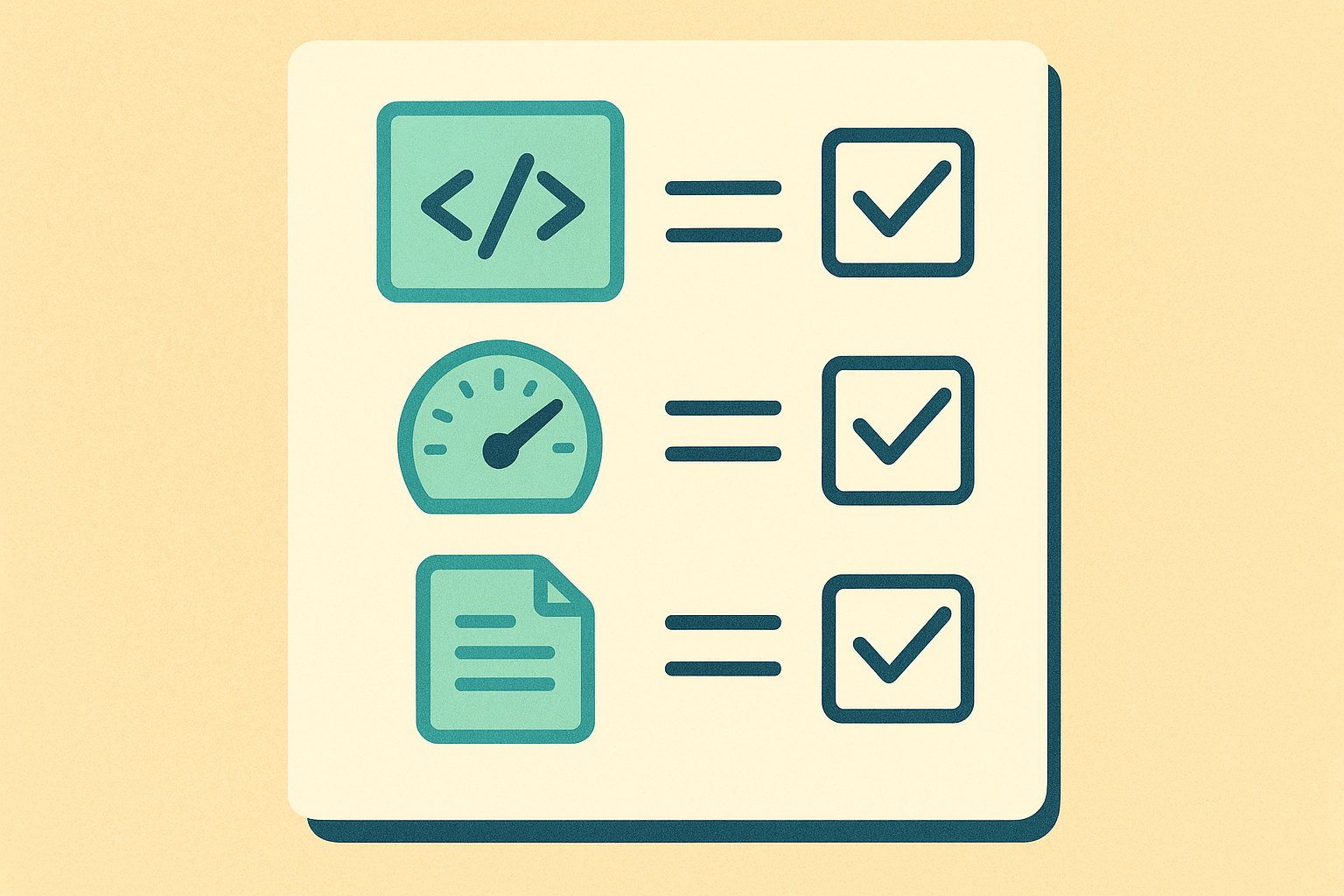
A clear audit checklist keeps authority-building work organized and repeatable.
Frequently Asked Questions About Search Authority Building Tools
What are search authority building tools?
Search authority building tools are software platforms that automate audits, content improvements, and structured data fixes to strengthen how much trust search engines and AI answer engines place in a website.
How do search authority building tools differ from traditional SEO software?
Traditional SEO software mostly tracks rankings and keywords. Authority tools also score trust signals and automate fixes for AI-driven answer engines, not just classic search results.
Why does search authority matter for AI-powered search results?
AI Overviews and chat-based answer engines favor sources they judge trustworthy, so weak authority signals mean a site is less likely to be cited or summarized in AI-generated answers.
How long does it take to see results from authority building tools?
Most sites see measurable authority score improvements within 4 to 8 weeks, though full ranking gains in competitive niches can take three to six months.
Do search authority building tools replace the need for backlinks?
No. Backlinks remain one input among many; the tools help prioritize which links, content, and technical fixes matter most rather than eliminating link building entirely.
What is the difference between GEO and AEO?
Generative Engine Optimization (GEO) focuses on getting cited inside AI-generated summaries, while Answer Engine Optimization (AEO) focuses on winning direct-answer boxes and voice search results.
How much do search authority building tools typically cost?
Pricing varies widely, from free basic audits to monthly subscriptions ranging from around $30 to several hundred dollars depending on automation depth and site volume.
Can small businesses benefit from automated authority tools?
Yes. Small businesses often benefit the most since automation removes the need for in-house SEO expertise while still delivering consistent, ongoing improvements.
What common mistakes hurt search authority?
Common mistakes include thin content, missing schema markup, inconsistent publishing, and ignoring technical errors that block search engines and AI crawlers from indexing pages.
How often should I run an authority audit?
A monthly audit is a reasonable baseline for most sites, though larger or fast-changing sites may benefit from continuous, automated monitoring instead.
Do these tools work for e-commerce sites?
Yes. E-commerce sites can use search authority building tools to fix product page technical issues, strengthen category content, and improve structured data for shopping results.
What metrics indicate strong search authority?
Strong indicators include a rising authority score, growing referring domains, improved crawl health, and increasing citations within AI-generated answers.
Is a free trial worth trying before committing to a tool?
Yes. A short trial period lets you confirm the tool’s audit accuracy and automation quality against your specific site before paying for a longer subscription.
Final Thoughts on Choosing Authority Building Tools
In summary, search authority building tools have shifted from a nice-to-have to a practical necessity as AI reshapes search behavior. Rather than chasing individual rankings, the smarter approach is building a durable trust signal that serves both classic search engines and generative answer engines at once. Consequently, the sites that automate audits, fix technical gaps, and structure content clearly tend to pull ahead while competitors rely on outdated tactics. Whether managing one site or dozens of client properties, choosing the right search authority building tools now can determine how visible a brand remains as AI search continues to evolve. Author: add author name and concise credentials. Last updated: 2026-08-14.

