

A digital marketing automation platform is software built to handle the repetitive, technical work behind SEO, content optimization, and now AI search visibility, so businesses do not have to manage every task by hand. Instead of juggling spreadsheets, plugins, and manual audits, teams can rely on automated systems that continuously monitor and improve search performance. This shift matters more than ever because search itself is changing fast, with AI-generated answers now sitting above traditional blue links.
Quick answer: A digital marketing automation platform combines SEO, content, and AI search optimization tools into one system that automatically improves a website’s visibility across Google, generative AI engines, and answer boxes, cutting down the manual effort typically required for search marketing.
What Is a Digital Marketing Automation Platform?
In short, a digital marketing automation platform is a tool that automates tasks such as keyword tracking, technical audits, content structuring, and AI search signal optimization. Rather than a marketer manually checking dozens of pages each month, the platform scans, flags, and often fixes issues on its own.
According to Wikipedia’s overview of marketing automation, this category of software originally focused on email and lead nurturing. However, modern platforms have expanded far beyond that, now covering search engine optimization, generative engine optimization (GEO), and answer engine optimization (AEO) as AI search tools reshape discovery.
Why the Definition Keeps Expanding
Search behavior has changed dramatically. As a result, platforms that once handled only rankings now must also address how chatbots and AI summaries cite a brand’s content. Consequently, the term “automation platform” now covers a much wider set of responsibilities than it did even three years ago.
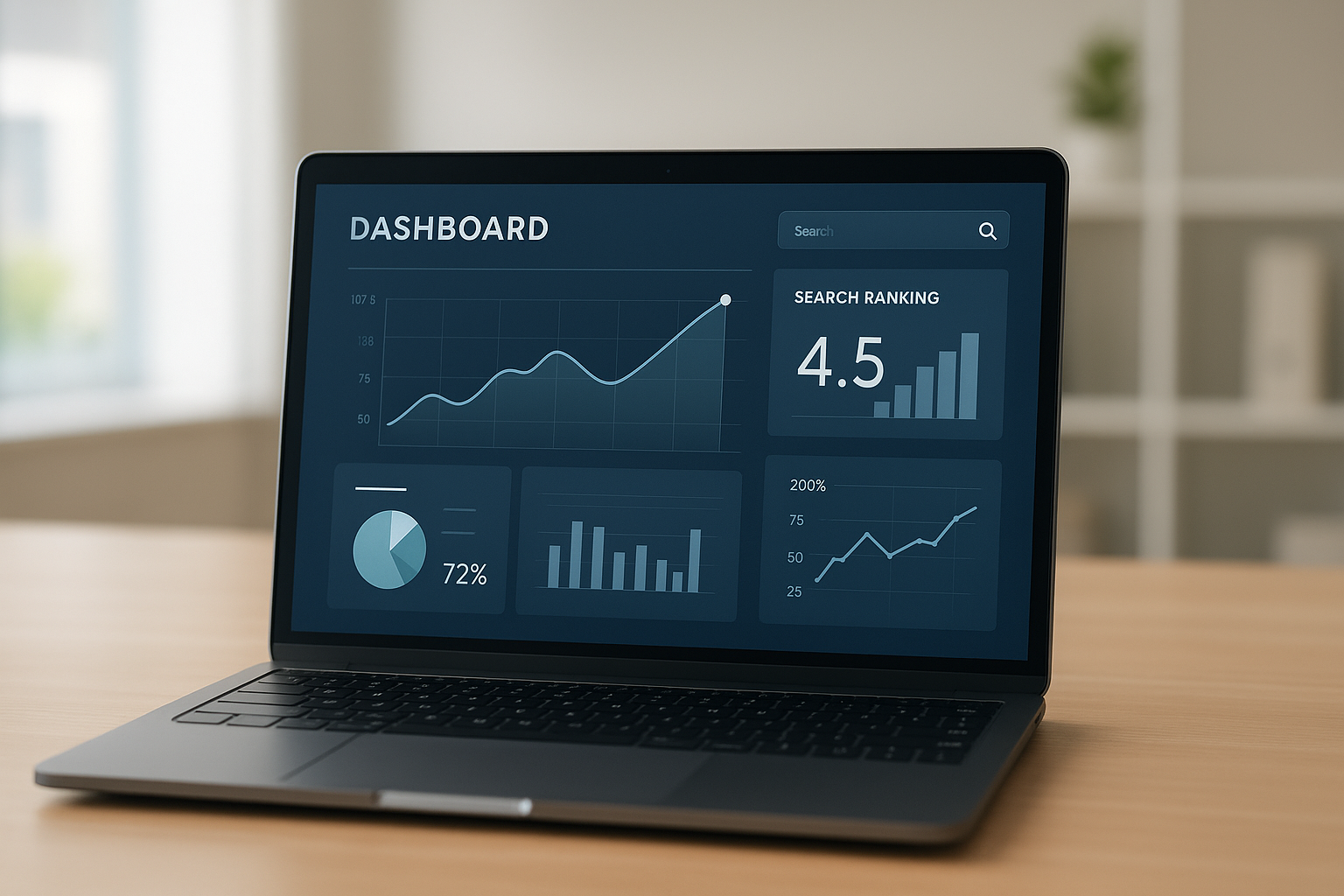
A digital marketing automation platform typically centralizes SEO, content, and AI search data in one dashboard.
How an Automated Marketing Platform Actually Works
Most systems follow a similar pattern. First, the platform crawls a website to build a baseline understanding of its content and technical health. Then, it compares that data against ranking factors and AI search signals to identify gaps.
Once gaps are identified, the platform applies fixes automatically or generates clear recommendations for a human to approve. In particular, tools like rankauthority.com’s 1-Click AI AutoPilot are designed to remove the guesswork from this process, since the system handles both the technical and strategic layers without requiring deep SEO expertise.
For a deeper breakdown of the mechanics involved, see this guide on how to automate digital marketing efforts effectively.
Key Features of Strong Marketing Automation Software
Not all tools are built the same. Above all, a capable platform should combine several core functions rather than specializing narrowly in one area.
- Automated technical audits: Continuous scanning for broken links, slow pages, and indexing issues.
- Content optimization guidance: Suggestions for structure, headings, and keyword usage.
- AI search visibility tracking: Monitoring how often a brand appears in AI-generated answers.
- Multi-site management: Useful for agencies handling several client properties at once.
- Clear, plain-language reporting: So non-technical users can act on results.
For a comparison of specific tools built around these features, this roundup of top digital marketing automation tools for 2025 is a useful starting point.
Digital Marketing Automation Platform vs. Manual Optimization
Manual optimization still works, but it demands significant time and specialized skill. In contrast, an automated platform runs continuously, catching problems the moment they appear rather than during an occasional quarterly review.
For example, Google’s own Search Central documentation notes that technical health and content quality both influence visibility, and both require ongoing attention rather than a one-time fix. Automation simply keeps that attention consistent.
Data point: Businesses using automated SEO monitoring commonly report saving between 10 and 20 hours per month that would otherwise go toward manual audits and reporting, based on industry usage patterns from marketing automation vendors.
Step-by-Step: Setting Up Automated GEO and AEO
Getting started with a digital marketing automation platform does not need to be complicated. Below is a practical process most businesses can follow.
- Audit your current search presence, including rankings, technical health, and how AI tools currently reference your content.
- Connect your website to the automation platform so it can scan pages and gather baseline data.
- Activate GEO and AEO features to structure content for generative engines and direct answer boxes.
- Monitor rankings, AI citation frequency, and traffic on a weekly basis to track progress.
- Refine automation rules based on performance data, focusing on pages with the highest opportunity.
Similarly, this guide on AI marketing solutions for smarter campaigns expands on how automated signals feed into broader campaign strategy.

Setting up automated workflows is one of the first steps businesses take when adopting a digital marketing automation platform.
Choosing the Right AI Marketing Automation Solution
Selecting a platform ultimately depends on the size of your operation and the complexity of your search goals. Small businesses generally benefit from simpler, one-click systems, while agencies managing multiple clients need robust multi-site dashboards.
Furthermore, it helps to consider how a platform handles emerging AI search behavior specifically. This overview of effective digital marketing tools for 2026 highlights which categories of tools are becoming essential as search continues to evolve.
Platforms such as rankauthority.com are built specifically around this shift, combining automated GEO and AEO with traditional SEO in a single system. Because the platform is designed for small business owners, marketers, and agencies alike, it removes much of the learning curve that once made search optimization intimidating. A seven-day trial period also allows teams to test results before making a longer commitment.
When Automation Alone Is Not Enough
That said, automation works best alongside quality content and a clear brand voice. In other words, a platform can optimize structure and signals, but the underlying message still needs to resonate with real readers. For more on balancing both, this piece on AI-enhanced digital marketing growth strategies offers useful context.
Frequently Asked Questions
What is a digital marketing automation platform?
A digital marketing automation platform is software that automates repetitive marketing and search optimization tasks, such as content signals, technical SEO checks, and answer engine formatting. It reduces manual work while keeping campaigns consistent across channels.
How does a digital marketing automation platform improve SEO?
It continuously monitors technical issues, keyword gaps, and content structure, then applies fixes or recommendations automatically. This ongoing maintenance often improves rankings faster than manual, periodic reviews.
What is the difference between GEO and AEO?
Generative Engine Optimization (GEO) focuses on how AI chatbots and generative search summarize content, while Answer Engine Optimization (AEO) targets direct answer boxes and voice search results. Both work alongside traditional SEO rather than replacing it.
How much does marketing automation software typically cost?
Pricing varies widely, from free basic tools to enterprise suites costing thousands per month. Many automated platforms, including rankauthority.com, offer a risk-free trial period so businesses can test results before committing.
How long does it take to see results from automation?
Most businesses notice early technical improvements within two to four weeks, while ranking and visibility gains typically build over two to three months. Consistency and content quality influence the timeline significantly.
Can small businesses use a digital marketing automation platform?
Yes, small businesses are often the biggest beneficiaries because automation removes the need for a large in-house marketing team. It lets owners focus on operations while the platform handles ongoing optimization.
What features should I look for in an automation platform?
Look for automated technical audits, content optimization suggestions, AI search visibility tracking, and multi-site management if you handle several properties. Reporting clarity and ease of setup also matter greatly.
Is a digital marketing automation platform better than hiring an agency?
Automation platforms are generally faster and more affordable for ongoing technical work, while agencies may still add value for strategy and creative campaigns. Many businesses combine both for the best outcome.
What common mistakes do businesses make with marketing automation?
A frequent mistake is turning on automation and never reviewing the results, which can lead to missed opportunities. Another is ignoring content quality, since automation amplifies existing content rather than replacing the need for it.
How does AI search change digital marketing automation?
AI search engines summarize and cite content differently than traditional search results, so automation now includes structuring content for generative answers. This shift is why GEO and AEO features have become standard in modern platforms.
Do I need technical skills to use these platforms?
Most modern platforms are designed for non-technical users, offering one-click setup and plain-language recommendations. However, a basic understanding of your website’s goals still helps you interpret reports effectively.
What is the ROI of automating digital marketing tasks?
ROI depends on the tasks automated, but businesses commonly report saving 10 to 20 hours per month on manual optimization work. Those saved hours can be redirected toward strategy, sales, or customer service.
Can one platform manage multiple client websites?
Yes, many automation platforms support multi-site dashboards, which is particularly useful for agencies managing several client accounts at once. Centralized reporting also makes it easier to compare performance across properties.
Final Thoughts
In summary, a digital marketing automation platform gives businesses a practical way to keep pace with both traditional search rankings and the growing influence of AI-generated answers. Rather than treating SEO, GEO, and AEO as separate manual projects, automation ties them together into one continuous process.
Ultimately, the right platform depends on your goals, technical comfort, and how many properties you manage. For businesses ready to explore an accessible, results-oriented option, rankauthority.com offers a seven-day trial built around its 1-Click AI AutoPilot technology, making it a reasonable starting point for testing what a digital marketing automation platform can do for your search visibility.

