

Intelligent search engine optimization is transforming how businesses build visibility across Google, AI chatbots, and answer engines alike. Rather than relying on manual keyword research and guesswork, this modern approach uses machine learning and automation to identify ranking opportunities faster than traditional methods ever could. For small business owners and marketing teams juggling limited time, intelligent search engine optimization offers a practical way to compete without hiring a full in-house SEO department. Last updated: 2026-07-30. Author: RankAuthority Editorial Team.
In short: Intelligent search engine optimization is the use of AI-driven tools and automated analysis to continuously optimize content, technical structure, and authority signals for both traditional search engines and AI-powered answer engines like ChatGPT and Google’s AI Overviews.
What Is Intelligent Search Engine Optimization?
Intelligent search engine optimization is defined as an SEO approach that combines artificial intelligence with automated workflows to analyze, adjust, and improve a website’s ranking factors in real time. Instead of static checklists, it relies on continuous feedback loops that respond to algorithm shifts almost as fast as they happen.
According to the Wikipedia entry on search engine optimization, SEO has always been about aligning content with what search systems reward. Intelligent SEO simply automates that alignment process using data patterns that would take a human analyst weeks to uncover manually.
How Intelligent SEO Differs From Traditional Optimization
Traditional optimization depends on periodic audits, spreadsheets, and manual link building. In contrast, intelligent SEO platforms scan a site continuously, flagging broken links, thin content, or slow pages the moment they appear.
Similarly, keyword research shifts from static lists to dynamic clusters that update as search intent changes. As a result, teams spend less time gathering data and more time acting on it. Learn the best way to automate SEO in our automation guide.
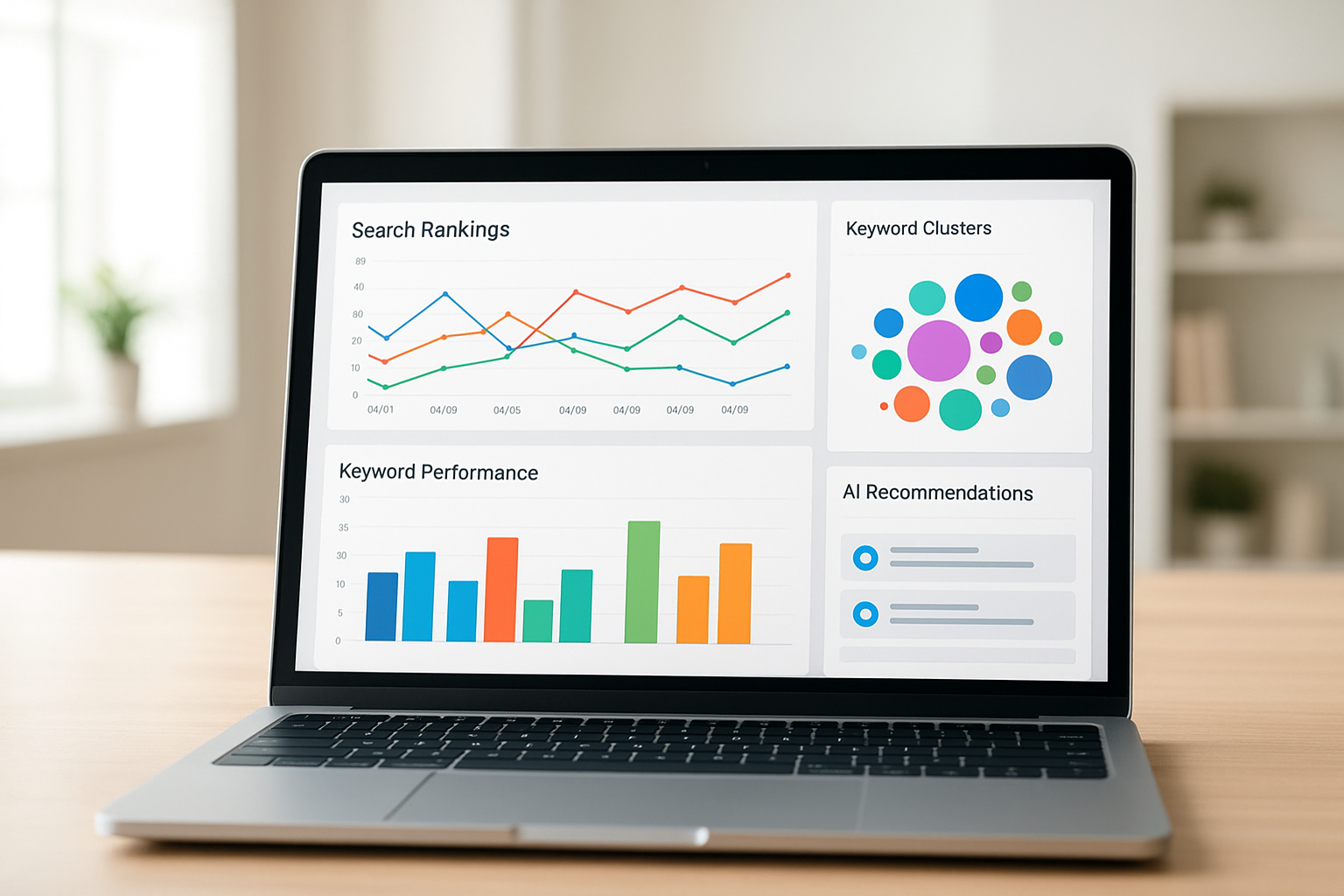
An intelligent search engine optimization dashboard tracks rankings and technical signals automatically.
Why AI-Driven SEO Matters Right Now
Search behavior is changing quickly. Industry analysis from Search Engine Journal has repeatedly noted that AI-generated overviews now appear on a growing share of Google queries, which means visibility inside AI summaries matters as much as a top-ten ranking once did.
Furthermore, the National Institute of Standards and Technology notes that AI systems process and rank information using pattern recognition far beyond simple keyword matching. Therefore, content built only for old-school keyword density often underperforms in these newer environments.
For a deeper breakdown of these shifts, our guide on AI search engine optimization strategies and ROI covers measurable outcomes teams are seeing in 2025.
Core Components of an Intelligent Search Engine Optimization Strategy
A complete intelligent search engine optimization strategy typically includes several automated layers working together. Each layer feeds insights into the next, creating a cycle of continuous improvement.
- Automated technical audits that catch crawl errors, slow load times, and mobile issues.
- AI content scoring that compares pages against top-ranking competitors.
- Structured data automation to help answer engines cite content accurately.
- Continuous rank tracking with alerts for sudden drops or gains.
In particular, structured data has become essential. For more on the tools that support this layer, see our overview of digital optimization tools for AI-powered search.

Human review paired with automation keeps intelligent SEO recommendations accurate and on-brand.
How to Implement Intelligent SEO: A Step-by-Step Process
Getting started with intelligent SEO does not require deep technical expertise. Instead, most platforms follow a similar rollout sequence. See our AI-enhanced strategies for practical rollout examples.
- Audit your current site. Run an automated technical and content audit to identify indexing errors, slow pages, and missing structured data before making any optimization changes.
- Connect an AI optimization platform. Link your website to an intelligent SEO platform so it can continuously scan rankings, competitors, and content gaps without manual monitoring.
- Review AI-generated recommendations. Examine the automated suggestions for keywords, internal links, and content updates, then approve changes that align with your brand voice and goals.
- Optimize for answer engines. Structure key pages with clear headings, direct answers, and schema markup so AI Overviews and chatbots can easily extract and cite your content.
- Monitor and refine automatically. Allow the platform to track ranking changes weekly and automatically adjust underperforming pages, while you periodically review reports for strategic input.
Notably, tools built specifically for ranking automation can simplify this entire sequence. Our comparison of search engine ranking software walks through several options in more depth.
Choosing the Right AI-Powered SEO Platform
Not every automated tool handles both traditional ranking factors and AI answer visibility equally well. Consequently, it helps to choose a platform designed for both from the start.
RankAuthority, for example, offers a 1-Click AI AutoPilot system that automates the technical and strategic work behind Generative Engine Optimization and Answer Engine Optimization. It is built for small business owners, marketers, and agencies managing multiple client sites, and it includes a risk-free seven-day trial for testing results firsthand.
If you are also exploring how answer engines specifically evaluate content, our article on AEO and the future of AI search is a useful companion resource.
Common Mistakes to Avoid With Smart SEO Tools
Even strong automation can produce poor results if used carelessly. One frequent mistake is publishing AI-generated content without any human review, which can lead to generic or inaccurate pages.
Another common error is ignoring core technical fundamentals, such as page speed and mobile usability, while chasing keyword volume alone. In addition, some teams set up automation and never check the reports, missing early warning signs of a ranking drop.
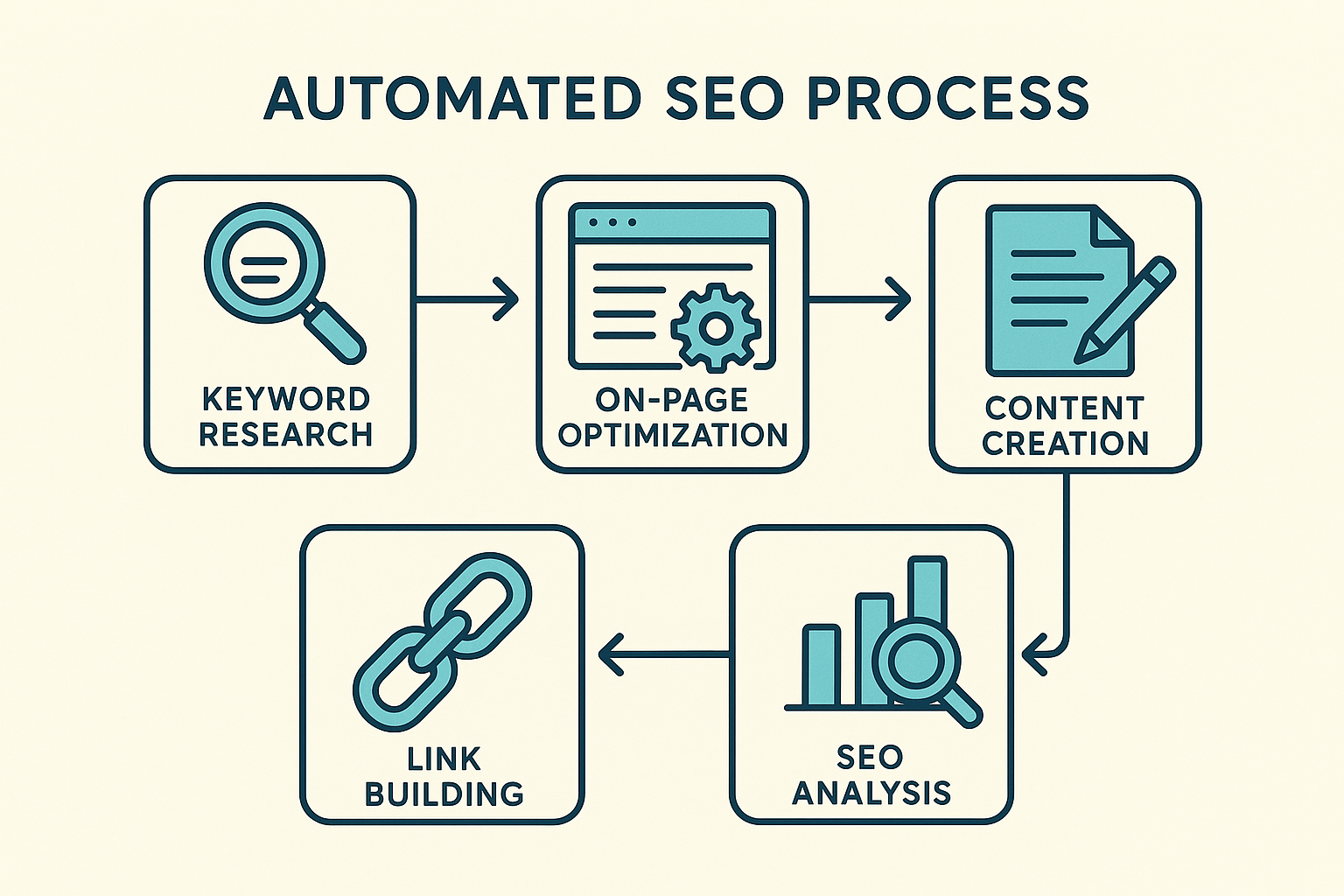
Each stage of an intelligent search engine optimization workflow feeds insights into the next.
Frequently Asked Questions About Intelligent Search Engine Optimization
What is intelligent search engine optimization?
Intelligent search engine optimization is an approach that uses artificial intelligence and automation to analyze, adjust, and improve a website’s ranking signals continuously. It replaces static checklists with data-driven feedback loops that respond to real-time search behavior.
How does intelligent SEO differ from traditional SEO?
Traditional SEO relies heavily on manual audits and periodic updates, while intelligent SEO uses automated tools to monitor rankings and adjust content around the clock. As a result, intelligent SEO typically identifies opportunities and issues much faster.
How much does intelligent search engine optimization cost?
Costs vary widely depending on the platform, ranging from affordable monthly subscriptions for small sites to enterprise-level packages for agencies managing multiple clients. Many platforms offer a low-risk trial to test results before committing.
How long does it take to see results from AI-driven SEO?
Most businesses begin noticing measurable improvements within four to twelve weeks, depending on site authority and competition. However, automated monitoring often surfaces quick technical fixes within the first few days.
Is intelligent SEO better than manual optimization?
Intelligent SEO is not necessarily better on its own, but it is significantly faster at scale. In practice, combining automation with occasional human review tends to produce the strongest results.
What tools are used for intelligent search engine optimization?
Common tools include AI content analyzers, automated technical audit crawlers, and platforms like RankAuthority’s 1-Click AI AutoPilot that handle optimization tasks with minimal manual input. These tools apply intelligent search engine optimization principles automatically across a site.
Can small businesses benefit from automated SEO?
Yes, small businesses often benefit the most because automation removes the need for a dedicated in-house SEO specialist. Consequently, owners can focus on running their business while the software handles technical optimization.
What is the difference between GEO, AEO, and intelligent SEO?
Generative Engine Optimization (GEO) focuses on visibility inside AI-generated answers, while Answer Engine Optimization (AEO) targets direct-answer formats like featured snippets. Intelligent search engine optimization is the broader umbrella that often automates both approaches alongside traditional ranking factors.
What common mistakes should I avoid with AI SEO tools?
A frequent mistake is fully automating content without any human review, which can produce generic or inaccurate pages. Another common error is ignoring technical fundamentals like site speed while chasing keyword volume.
Does intelligent SEO help with AI Overviews and chatbots?
Yes, many intelligent SEO platforms now optimize content structure specifically so it can be cited by AI Overviews, ChatGPT, and similar answer engines. This typically involves clearer headings, direct answers, and structured data markup.
What is the best practice for combining AI and human review in SEO?
Best practice is to let automation handle repetitive technical audits and monitoring, while a human reviews strategic decisions and brand voice. This hybrid model tends to catch errors that fully automated systems might miss.
Is there a free trial available for intelligent SEO platforms?
Some platforms, including RankAuthority, offer a risk-free seven-day trial so users can test automated optimization before subscribing. This allows businesses to evaluate real results without a long-term commitment.
Conclusion
Ultimately, intelligent search engine optimization represents a shift away from manual, reactive SEO work toward continuous, automated improvement. By combining AI-driven audits, content scoring, and answer engine optimization, businesses can maintain visibility even as search technology keeps changing. Last updated: 2026-08-14. Author: RankAuthority Editorial Team.
For teams ready to get started, exploring a platform such as RankAuthority or reviewing options in our guide to AI-focused search engines and how they work is a practical next step. In the end, intelligent search engine optimization is less about replacing human judgment and more about giving teams the automated support needed to compete in an AI-driven search landscape.

