
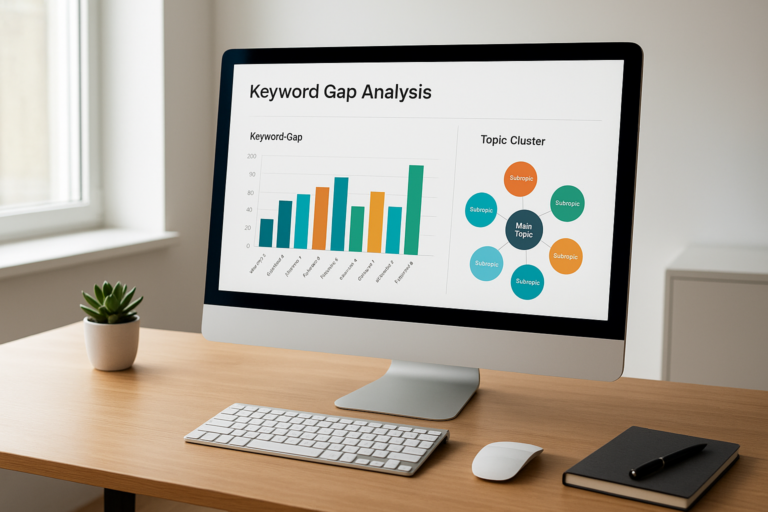
Topical authority Ahrefs is the practice of using Ahrefs’ research and analysis tools to systematically build deep, comprehensive coverage of a specific subject so that Google recognizes your site as the go-to resource in that niche. In simple terms, topical authority is the degree to which search engines trust your site to answer every meaningful question within a given topic area. The stronger your topical authority, the more likely Google is to rank your pages — even for keywords you haven’t directly optimized. This guide is authored by the RankAuthority editorial team and is regularly updated to reflect Ahrefs feature changes and best practices.
For many SEOs, Ahrefs has become the primary toolkit for mapping, measuring, and closing topical coverage gaps. Because it combines keyword research, competitor analysis, and site auditing in one platform, it gives you everything you need to build a data-driven content strategy from the ground up.
Why Topical Authority Ahrefs Matters More Than Ever
Google’s algorithms have evolved significantly over the past decade. Therefore, targeting isolated keywords without building thematic depth is no longer enough to sustain rankings. With the rollout of Google Hummingbird and subsequent updates, the search engine shifted toward understanding topics, entities, and semantic relationships rather than just matching keyword strings.
As a result, sites that cover a subject exhaustively — answering beginner, intermediate, and advanced questions — tend to outperform sites with fragmented, shallow content. Additionally, Google’s Helpful Content updates have reinforced this trend by rewarding depth and expertise over volume alone.
How Ahrefs Reveals Your Topical Gaps
One of the most powerful features in Ahrefs is the Content Gap tool, found inside Site Explorer. This report compares your site against up to ten competitors and surfaces keywords they rank for that your site does not. In practice, this is the fastest way to discover entire subtopics you’ve overlooked.
For example, if you run a personal finance blog and your competitors consistently rank for “emergency fund calculator” and “how to budget on a variable income” while your site covers neither, those gaps represent direct opportunities to expand your topical footprint. However, not every gap keyword is worth pursuing — filter by search volume and relevance to prioritize the subtopics that will deliver the most impact.
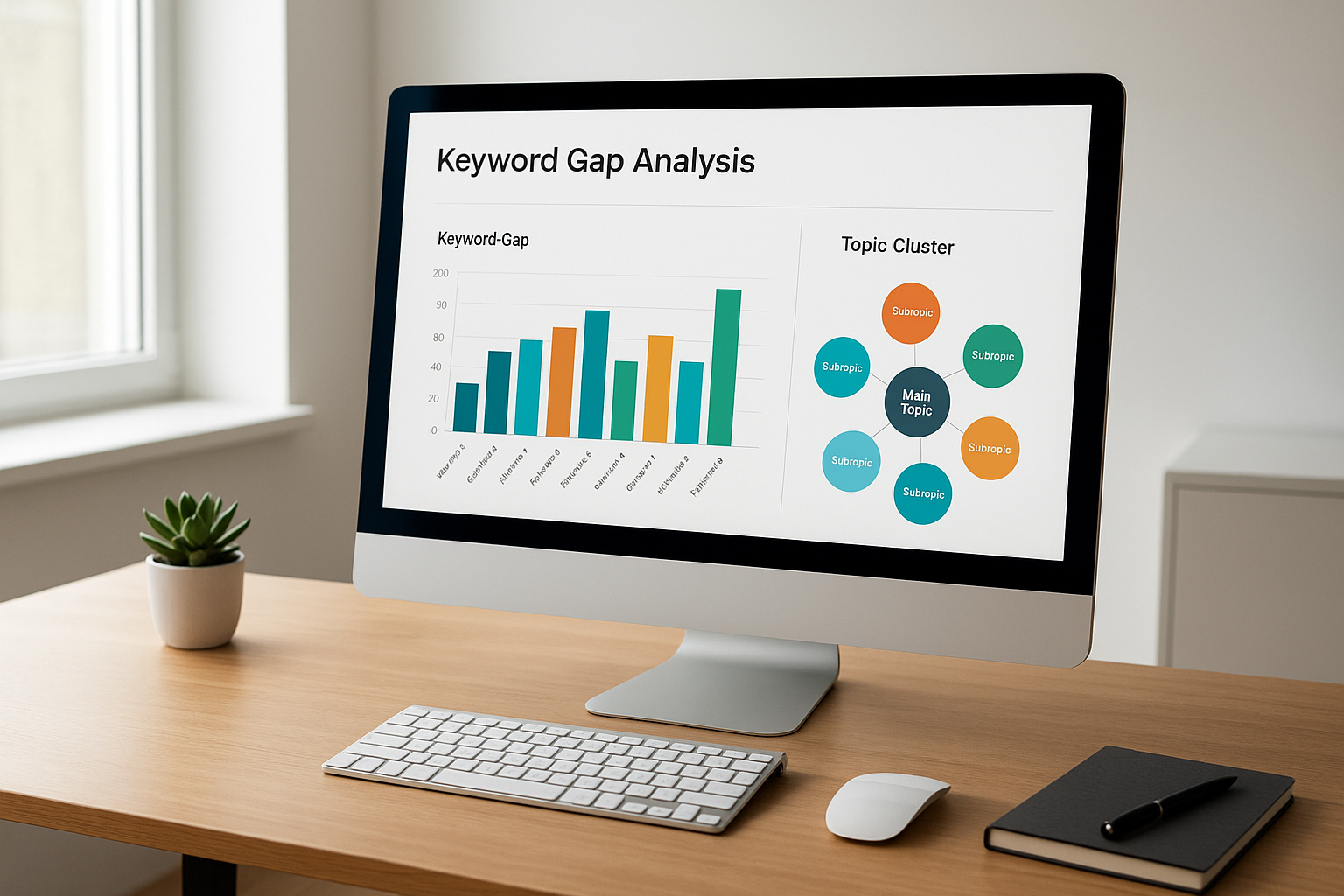
Using Ahrefs Content Gap analysis to uncover topical authority opportunities your competitors already dominate.
Step-by-Step: Building a Topical Map with Ahrefs
Building topical authority requires a structured process. Below are the five core steps to follow using Ahrefs as your primary research tool.
Step 1 — Choose a Focused Niche
First, select a narrow subject area where you can realistically cover every meaningful subtopic. Broad niches like “health” or “finance” are too competitive for new or mid-size sites. Instead, focus on a specific segment — for example, “keto diet for women over 40” or “freelance tax planning for US creatives.”
Step 2 — Use Keywords Explorer to Map Subtopics
Next, enter your primary seed keyword into AI-powered keyword research. Use the Matching Terms and Related Terms reports to surface every subtopic variation. Group these keywords by parent topic to form the skeleton of your content map. Additionally, use the Questions filter to discover long-tail queries your audience is actively searching.
Step 3 — Run a Content Gap Analysis
Then, navigate to Site Explorer and run the Content Gap report against three to five direct competitors. Export the results and cross-reference them with your existing content inventory. Any keyword cluster where competitors have multiple ranking pages but you have none should be treated as a high-priority content gap. For examples of competitor comparisons, see our Ahrefs domain comparison guide.
Step 4 — Build Content Clusters with Internal Links
After mapping your subtopics, group related articles into clusters. Each cluster should have one comprehensive pillar page supported by several in-depth supporting articles. Importantly, every page within the cluster should link to the pillar page and to at least two or three other cluster pages. This internal linking structure reinforces thematic relevance and helps Google understand the full scope of your coverage. For tactical steps to enhance website authority, see our practical guide.
Step 5 — Track Rankings and Expand Coverage
Finally, use Ahrefs Rank Tracker to monitor how your cluster pages perform over time. As rankings improve, identify the next tier of subtopics to address and consult our long-term rankings guide. Topical authority is not a one-time project — it requires continuous expansion as your niche evolves and new search queries emerge.

Mapping content clusters visually before building them in Ahrefs helps clarify your topical coverage strategy.
Common Mistakes That Undermine Your Progress
Even with Ahrefs guiding your research, several mistakes can slow your topical authority growth. Understanding them upfront saves months of wasted effort. For a complete comparison of Ahrefs domain signals, consult Ahrefs domain comparison 2024.
Publishing thin content: Many site owners chase keyword volume and publish short, shallow articles that don’t fully answer user intent. Google’s quality evaluators and algorithms increasingly penalize this approach. Each article in your cluster should provide genuinely useful, comprehensive information.
Ignoring internal linking: In contrast to thin content, some sites produce excellent individual articles but never link them together. Without internal links, Google cannot understand your cluster structure, and your topical signal remains weak.
Covering too many unrelated niches: Spreading content across unrelated topics dilutes your authority signal. For example, a site that publishes articles on keto dieting, cryptocurrency, and travel photography simultaneously sends a confusing topical signal to Google. Focus is essential, especially in the early stages.
Measuring Results and Refining Your Strategy
Once your content clusters are live, Ahrefs provides several ways to measure progress. The Organic Keywords report in Site Explorer shows how many keywords your site ranks for within your target topic. Meanwhile, the Top Pages report reveals which cluster pages drive the most organic traffic, helping you identify which subtopics resonate most with searchers. For tactical next steps to enhance site-wide authority see enhance website authority.
Additionally, tracking your Domain Rating alongside organic keyword growth gives you a balanced picture of whether your authority is growing from content depth, backlinks, or both. For deeper strategic guidance on building and scaling topical authority, RankAuthority.com offers frameworks specifically designed for content-led SEO growth. See how to check backlink profile to monitor backlink quality.
Topical Authority vs. Domain Authority: Key Differences
Many SEOs conflate topical authority with domain authority, but they measure fundamentally different things. Domain authority — reflected in Ahrefs domain comparison and Ahrefs’ Domain Rating metric — is primarily a function of the quantity and quality of backlinks pointing to your site. It measures overall site credibility in the eyes of search engines.
Topical authority, however, measures how comprehensively your site covers a specific subject area. A site with a low domain authority guide can still outrank high-authority competitors if it demonstrates superior topical depth. This is why niche sites with strong content clusters consistently punch above their weight in search results. As a result, new and mid-size sites should prioritize topical coverage before investing heavily in link acquisition campaigns.
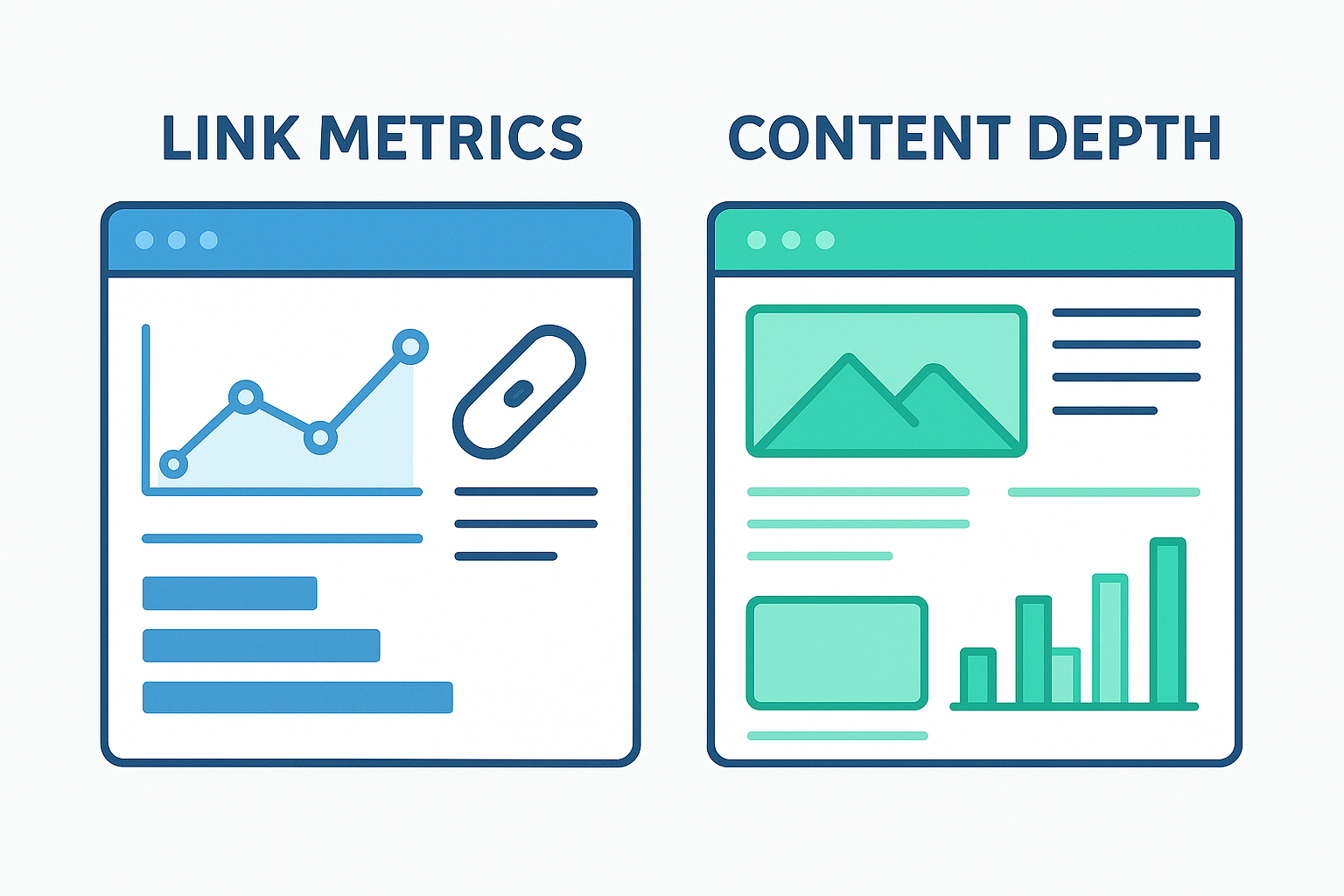
Understanding the difference between domain authority and topical authority helps you allocate SEO resources more effectively.
Conclusion: Using Ahrefs to Own Your Niche
Building topical authority with Ahrefs is one of the most reliable long-term SEO strategies available today. By systematically mapping subtopics, closing content gaps, and structuring your articles into well-linked clusters, you signal to Google that your site is the definitive resource in your niche. Furthermore, the competitive intelligence Ahrefs provides means you’re never guessing — every content decision is backed by real search data. For additional strategic resources on scaling this approach, visit RankAuthority.com to explore proven content authority frameworks. Last updated: 2026-07-02. Author: Rank Authority editorial team; add an author bio block and author page link. Last updated: 2026-07-02. Author: Rank Authority editorial team — add a short author bio and credentials block (name, role, brief credentials, and a last-updated date) to boost E-E-A-T.
Frequently Asked Questions About Topical Authority Ahrefs
What is topical authority in SEO?
Topical authority is a measure of how comprehensively and credibly a website covers a specific subject area. Google uses it to determine whether a site deserves to rank for a broad range of related queries within that topic. Sites with high topical authority often rank for keywords they haven’t explicitly targeted.
How does Ahrefs help build topical authority?
Ahrefs provides tools like Keywords Explorer, Content Gap, and Site Explorer that help you discover subtopics you haven’t covered, analyze competitor content clusters, and track your topical coverage over time. Together, these tools give you a data-driven roadmap for systematic content expansion.
What is a content gap in Ahrefs?
A content gap in Ahrefs refers to keywords and subtopics your competitors rank for but your site does not. Identifying these gaps lets you fill missing coverage and strengthen your topical authority. The Content Gap tool in Site Explorer automates this comparison against multiple competitors simultaneously.
How many articles do I need for topical authority?
There is no fixed number. However, you need enough content to cover every meaningful subtopic within your niche. Ahrefs Keywords Explorer can reveal the full breadth of subtopics you should address, and the total will vary significantly by niche complexity.
What is a content cluster and why does it matter?
A content cluster is a group of interlinked articles covering a central topic and its related subtopics. It signals to Google that your site provides comprehensive coverage, which strengthens topical authority. The pillar page serves as the hub, and supporting pages address each specific subtopic in depth.
Can topical authority replace link building?
Topical authority complements but does not fully replace link building. Strong internal linking and comprehensive content coverage can reduce your dependency on backlinks, but authoritative external links still provide significant ranking advantages in competitive niches.
How do I use Ahrefs Keywords Explorer for topical mapping?
Enter a seed keyword into Keywords Explorer, then use the Matching Terms and Related Terms reports to uncover every subtopic variation. Group these by parent topic to form the skeleton of your content map. Additionally, use the Questions filter to surface long-tail informational queries your audience is actively searching.
What is the difference between topical authority and domain authority?
Domain authority is a backlink-based metric reflecting overall site credibility. Topical authority measures depth and breadth of content coverage within a specific niche, and it is increasingly weighted by Google’s ranking algorithms. A site with low domain authority can still outrank stronger sites through superior topical coverage.
How long does it take to build topical authority?
Results typically appear within three to six months of consistent content publishing. However, competitive niches may require longer sustained effort before Google recognizes your site as a topical authority. Consistent internal linking and regular content additions accelerate the process.
What common mistakes hurt topical authority growth?
Publishing thin content, ignoring subtopics, failing to interlink related articles, and targeting too many unrelated niches simultaneously are the most common mistakes. Ahrefs site audits can help identify and correct these issues before they cause lasting ranking damage.
How does internal linking support topical authority?
Internal linking connects related articles so Google can crawl and understand your full content cluster. It distributes page authority across your cluster and reinforces the thematic relevance of every page within the topic. Without strong internal links, even excellent content may fail to rank as a cohesive cluster.
Is topical authority relevant for small or new websites?
Yes, and it is especially advantageous for new sites. Focusing on a narrow niche and covering it exhaustively allows smaller sites to compete against larger domains by establishing deep expertise in one area. In fact, niche depth is often more achievable for new sites than broad domain authority growth.

