
An SEO tool is software that helps website owners, marketers, and agencies analyze, optimize, and track their search engine performance — and choosing the right one in 2025 can make the difference between stagnant traffic and consistent ranking growth. With dozens of options available at every price point, however, picking the right platform requires knowing exactly what you need before you spend a dollar.
This guide breaks down the core features that matter, how leading tools compare, and the practical steps for matching a tool to your goals. Whether you are a solo blogger, a growing e-commerce brand, or an agency managing dozens of clients, the right data platform changes everything.
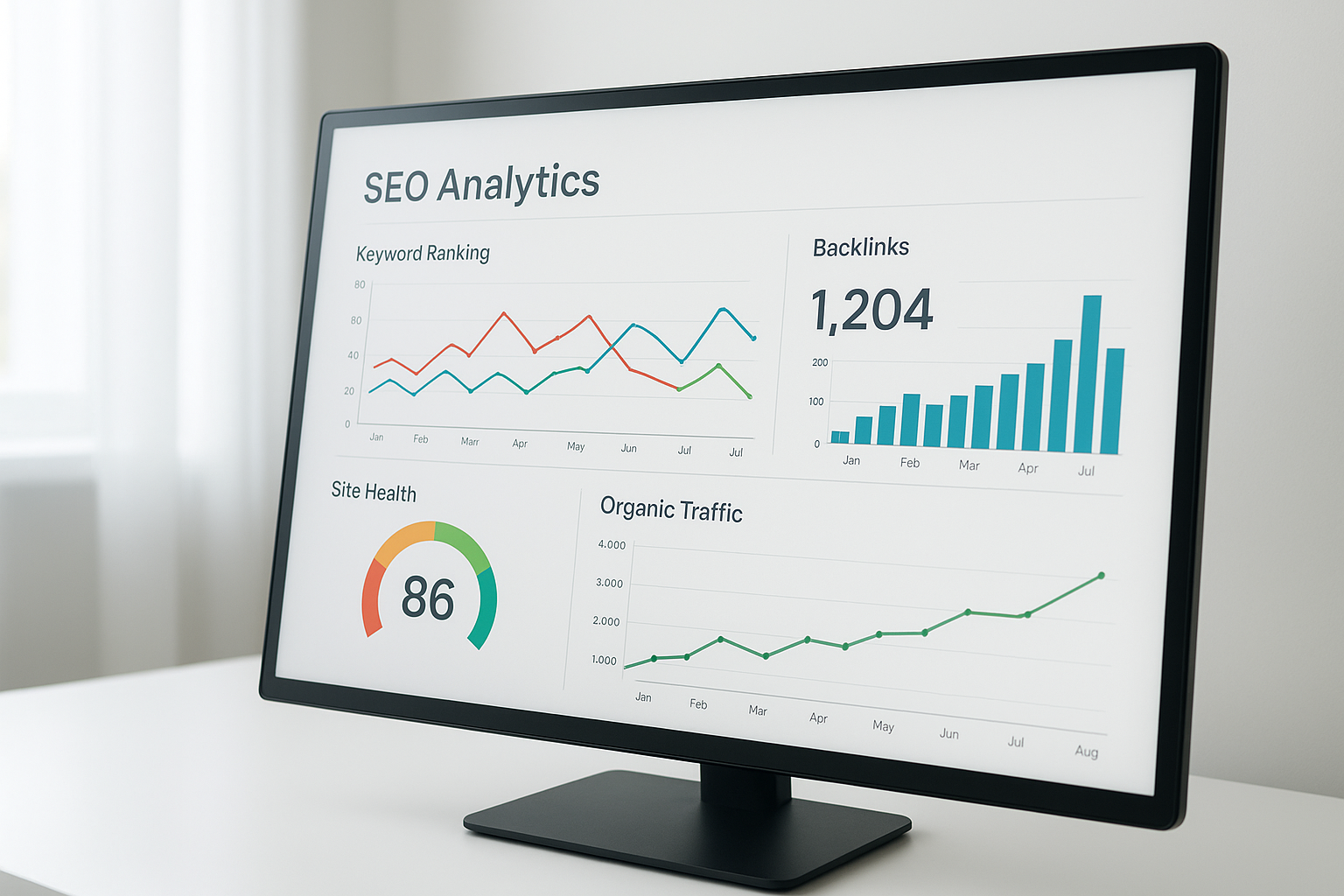
A well-designed SEO tool dashboard gives you keyword, backlink, and audit data in one place.
What Does an SEO Tool Actually Do?
At its core, an SEO tool automates research and analysis tasks that would otherwise take hours of manual work. Therefore, instead of manually checking each competitor’s backlinks or guessing which keywords have the best traffic potential, you get structured, actionable data in minutes.
Most platforms cover five fundamental capabilities: keyword research, backlink analysis, technical site auditing, rank tracking, and competitor intelligence. Additionally, many modern tools now include content optimization scoring, local SEO features, and AI-assisted recommendations.
According to Wikipedia’s overview of search engine optimization, SEO encompasses both technical and content-driven strategies — and a strong platform supports both sides of that equation effectively.
The Five Core Features Worth Paying For
Not every feature in a premium platform justifies its price tag. However, the following five capabilities consistently deliver measurable return on investment for most users.
1. Keyword Research
Finding keywords with the right balance of search volume and competition is the foundation of any content strategy. Look for tools that show keyword difficulty scores, search intent labels, and related question clusters.
2. Backlink Analysis
Understanding who links to your competitors — and who links to you — reveals link-building opportunities you would otherwise miss. As a result, backlink data directly informs your authority-building efforts.
3. Technical Site Audit
Crawl errors, missing meta tags, and slow page speed silently suppress rankings. A reliable audit module flags these issues with clear priority levels so your dev team knows exactly where to start.
4. Rank Tracking
Monitoring your keyword positions over time shows whether your efforts are working. Furthermore, geo-specific rank tracking is essential for local businesses targeting city-level results.
5. Competitor Intelligence
Seeing which pages drive the most organic traffic for competitors gives you a shortcut to proven content ideas. In practice, this feature alone often pays for the monthly subscription.
How Leading Platforms Compare in 2025
The market is dominated by a handful of established platforms, each with a distinct strength. Meanwhile, newer entrants are competing aggressively on price and AI-powered features.
| Platform | Best For | Starting Price | Standout Feature |
|---|---|---|---|
| Ahrefs | Link building | $129/mo | Largest backlink index |
| Semrush | All-in-one marketing | $139/mo | PPC + SEO combined |
| Moz Pro | Beginners | $99/mo | Domain Authority metric |
| Google Search Console | All users | Free | Direct Google data |
For a deeper independent analysis of how these platforms perform across different site types and budgets, RankAuthority publishes regularly updated comparisons that go beyond surface-level feature lists.
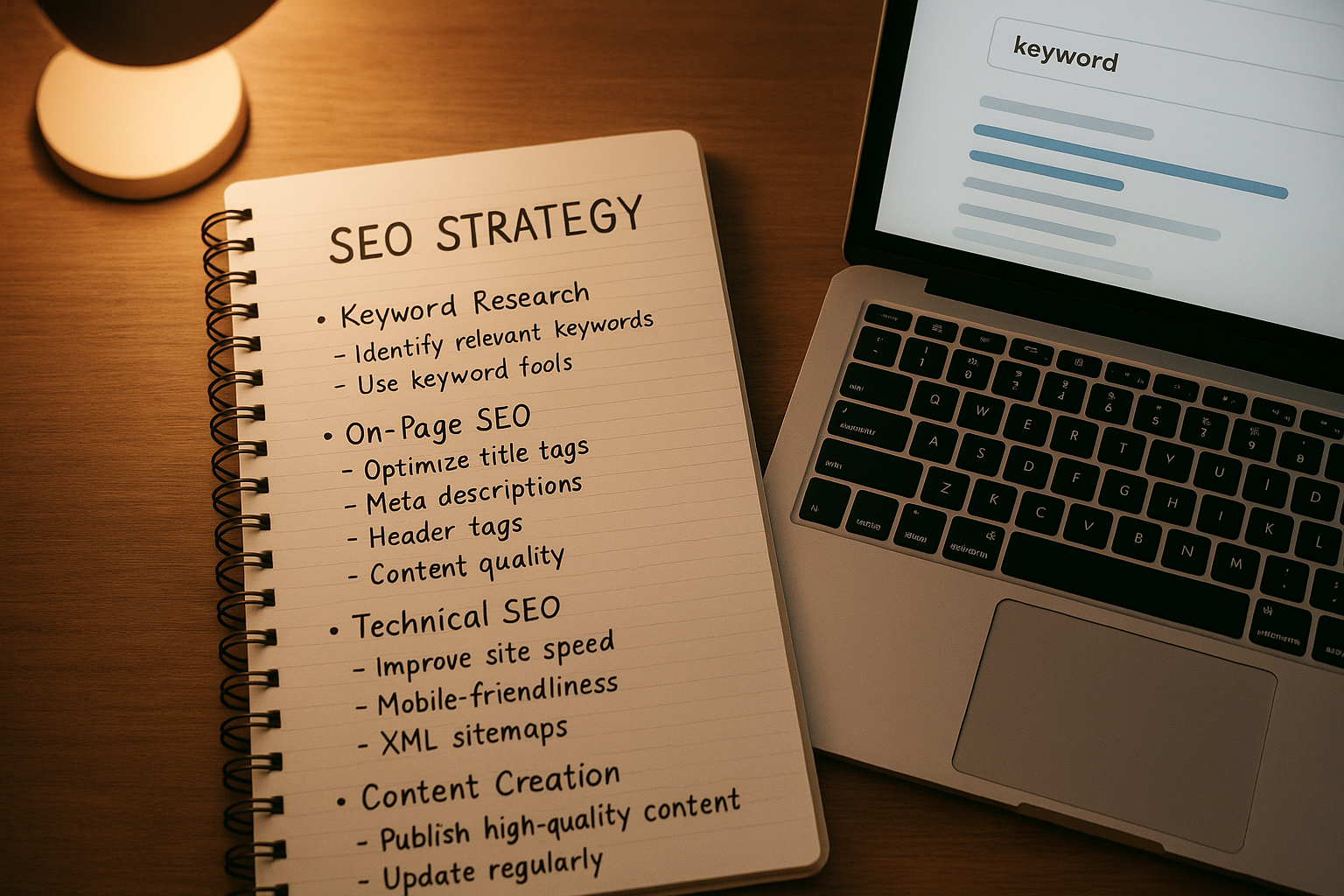
Combining manual strategy with a reliable SEO tool produces consistently better results than either approach alone.
How to Choose the Right Platform for Your Situation
The best tool is the one that matches your current workflow, not the one with the longest feature list. First, identify your primary goal: are you building content, fixing technical issues, growing backlinks, or tracking local rankings?
Next, consider your team size. A solo blogger, for example, rarely needs the multi-seat enterprise features that justify Semrush’s higher tiers. In contrast, an agency managing 30 client sites needs robust reporting exports, white-label dashboards, and high API limits.
Finally, test before you commit. Most major platforms offer free trials or limited free tiers. Additionally, starting with Google Search Console costs nothing and provides first-party data that no third-party platform can replicate.
Common Mistakes When Selecting a Platform
Many buyers focus exclusively on keyword database size and overlook crawl limits, which cap how many pages an audit can scan per month. Therefore, a site with 10,000 pages on a plan that audits only 2,500 pages will always have blind spots.
Another common mistake is subscribing to multiple overlapping tools simultaneously. Because Ahrefs and Semrush cover similar ground, running both is usually redundant for most teams. Instead, choose one primary platform and supplement it with free tools like Google Search Console and Google Analytics.
Getting Maximum Value From Your Subscription
Owning a tool and using it effectively are two very different things. Many teams pay for premium plans but only use 20% of available features. As a result, they perceive poor ROI and cancel prematurely.
To extract real value, build a repeatable weekly workflow. For example, check rank movements on Monday, review crawl alerts on Wednesday, and run a competitor content gap analysis before planning new articles. This structured cadence ensures the data drives decisions rather than sitting unused in a dashboard.
Furthermore, most platforms publish extensive learning resources and certifications. Investing two to three hours in official training typically unlocks features that directly improve campaign performance. Resources like those at RankAuthority can also help you apply tool data to real-world ranking strategies more effectively.

Consistent use of an SEO tool to monitor organic traffic trends is one of the most reliable ways to catch ranking drops early.
The Verdict: Choosing Your SEO Tool in 2025
The right SEO tool is ultimately the one you will use consistently and strategically — not the one with the most impressive demo. Start with Google Search Console to establish your baseline, then layer in a paid platform once you have a clear content or link-building goal that requires deeper data.
For most small to mid-sized sites, a single mid-tier subscription paired with a disciplined weekly workflow will outperform any combination of expensive tools used inconsistently. Therefore, prioritize learning depth over feature breadth, and let your data guide every content and technical decision you make.
Quick Answer: An SEO tool is software that automates keyword research, backlink analysis, site auditing, and rank tracking. The best choice depends on your goals — Ahrefs leads for link building, Semrush for all-in-one marketing, Moz Pro for beginners, and Google Search Console for free first-party data.
Frequently Asked Questions
What is an SEO tool?
An SEO tool is software designed to help website owners and marketers improve their search engine rankings by analyzing keywords, backlinks, site health, and competitor performance. These tools automate time-consuming research tasks so you can focus on strategy and content.
Which SEO tool is best for beginners?
Google Search Console is the best free starting point for beginners because it shows exactly how Google sees your site. For paid options, Moz Pro and Semrush both offer beginner-friendly dashboards with guided workflows.
How much does a professional SEO tool cost?
Professional SEO tools typically range from $99 to $449 per month for standard plans. Enterprise plans can exceed $1,000 per month, though free tiers and trials are widely available for new users.
Can I do SEO without a paid tool?
Yes, you can perform basic SEO using free tools like Google Search Console, Google Analytics, and Google Keyword Planner. However, paid tools provide significantly deeper data on competitor backlinks, keyword difficulty, and technical site issues.
What is the difference between Ahrefs and Semrush?
Ahrefs is widely regarded as the stronger tool for backlink analysis and link building research, while Semrush offers a broader suite that includes PPC data, social media tracking, and a more comprehensive content marketing toolkit. Both are industry leaders worth trialing before committing.
What features should I prioritize when evaluating platforms?
Prioritize keyword research, backlink analysis, technical site auditing, rank tracking, and competitor analysis. Additionally, check crawl limits and reporting export options, since these often become bottlenecks as your site grows.
How often should I use my SEO tool?
Run site audits at least monthly and check rank tracking weekly. Keyword research and competitor gap analysis are best done at the start of a new campaign and revisited quarterly to catch shifts in search demand.
Do SEO tools guarantee higher rankings?
No SEO tool guarantees higher rankings because rankings depend on content quality, backlink authority, user experience, and Google’s algorithm. Tools provide data and insights that inform better decisions, but consistent execution determines results.
Is Google Search Console an SEO tool?
Yes, Google Search Console is a free SEO tool provided directly by Google. It shows indexing status, search queries, click-through rates, and technical errors, making it an essential part of any SEO workflow regardless of what paid platform you use.
What is the best option for small businesses on a tight budget?
For small businesses, combining Google Search Console (free) with a mid-tier plan from Semrush or Moz Pro typically delivers the best value. This combination covers keyword tracking, site health, and basic competitor analysis without enterprise-level costs.
Can these platforms help with local SEO?
Yes, many SEO tools include local SEO features such as local rank tracking by city, citation management, and Google Business Profile auditing. Semrush and Moz Local are particularly strong for businesses targeting local search results.
What is a technical site audit and why does it matter?
A technical site audit is an automated scan that identifies issues such as broken links, missing meta tags, slow page speed, duplicate content, and crawlability errors. Fixing these problems helps search engines index your site more effectively, which in turn supports better rankings.

