

What is search engine optimization? Search engine optimization, commonly known as SEO, is the practice of improving a website’s content, structure, and authority so that it ranks higher in unpaid search engine results pages (SERPs). When done effectively, SEO connects your content with the people actively searching for it — without paying for every click.
Understanding SEO is essential for anyone who wants to build a lasting online presence. Therefore, whether you run a small local business or a large e-commerce site, the principles of organic search visibility apply universally.
How Search Engines Actually Work
Before optimizing for search engines, it helps to understand what they do. Search engines like Google and Bing use automated programs called crawlers or spiders to discover and index billions of web pages. As a result, when a user types a query, the engine scans its index and ranks the most relevant, trustworthy pages.
Rankings are determined by complex algorithms that evaluate hundreds of signals simultaneously. These signals include the quality of your content, the number and authority of sites linking to you, how fast your pages load, and how well your site performs on mobile devices.
According to Wikipedia’s overview of SEO, the field has existed since the mid-1990s, evolving dramatically alongside search engine technology. In practice, modern SEO is less about tricks and more about genuinely serving user intent.
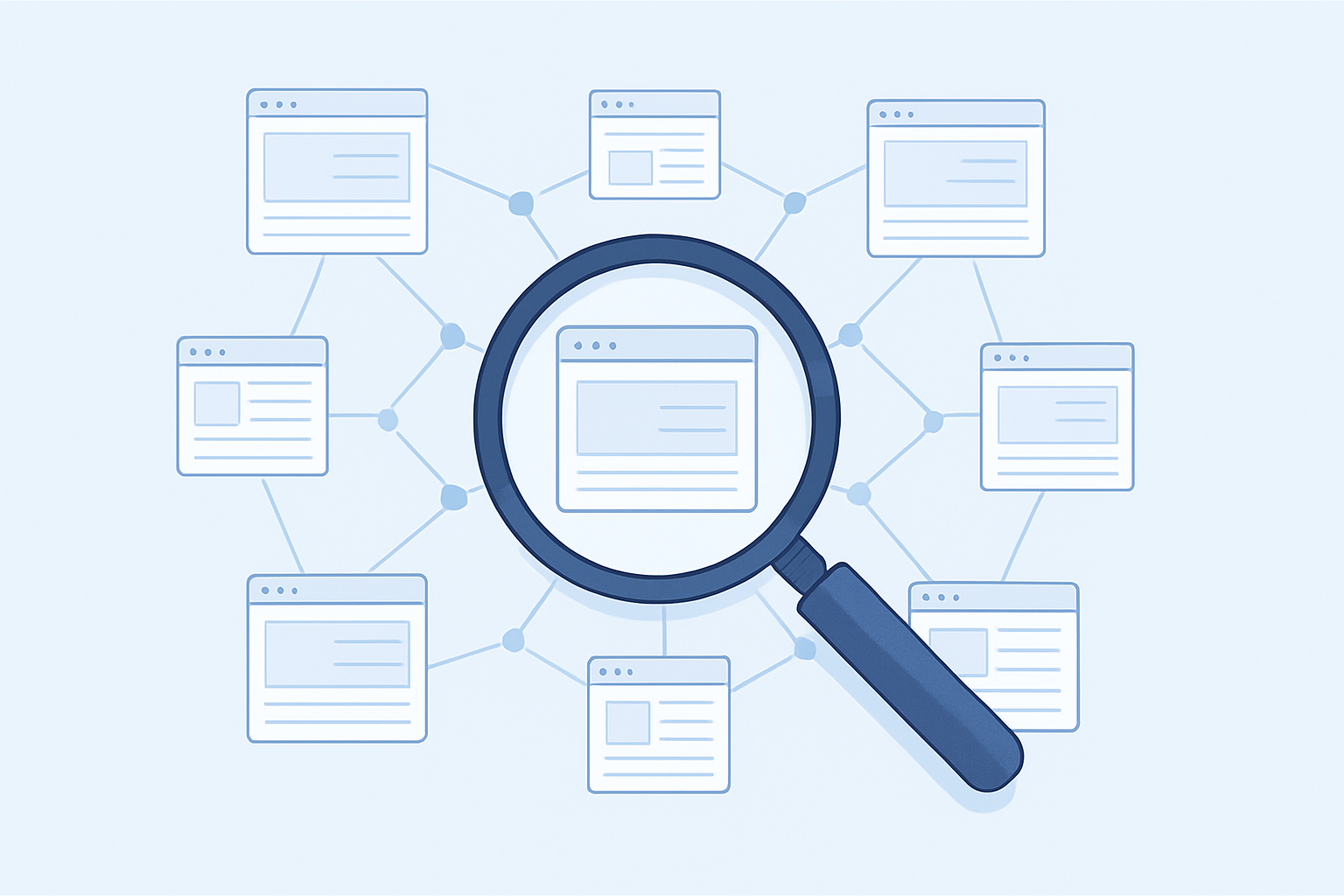
Search engine crawlers explore and index billions of pages — a process that search engine optimization is designed to work with.
The Three Core Pillars of SEO
SEO is not a single task — it is a discipline built on three interconnected pillars. Each one addresses a different dimension of how search engines evaluate your site.
On-Page SEO: Content and Relevance
On-page SEO focuses on everything within your own pages. This includes the words you use, how you structure headings, the quality of your writing, and how well your content satisfies the user’s search intent. Additionally, elements like title tags, meta descriptions, image alt text, and internal linking all fall under this category.
Keyword research is the foundation of on-page SEO. By identifying the exact phrases your audience uses, you can create content that directly answers their questions. However, keyword stuffing — forcing keywords unnaturally into text — is penalized by modern algorithms.
Off-Page SEO: Authority and Trust
Off-page SEO refers to signals generated outside your website that influence your rankings. Backlinks are the most important off-page factor. When a reputable site links to your content, search engines interpret that link as a vote of confidence. As a result, pages with more high-quality backlinks tend to rank higher.
Beyond backlinks, off-page SEO also encompasses brand mentions, social signals, and online reviews. Meanwhile, earning coverage from authoritative publications in your niche can dramatically accelerate your domain’s credibility.
Technical SEO: Infrastructure and Performance
Technical SEO ensures that search engine crawlers can access, understand, and index your site without obstacles. Key areas include page speed, mobile responsiveness, secure HTTPS connections, clean URL structures, and structured data markup (schema). Furthermore, fixing crawl errors and eliminating duplicate content are critical technical priorities.
A technically sound site gives your on-page and off-page work the best possible chance to perform. In contrast, even excellent content will struggle to rank if crawlers cannot properly access or render your pages.
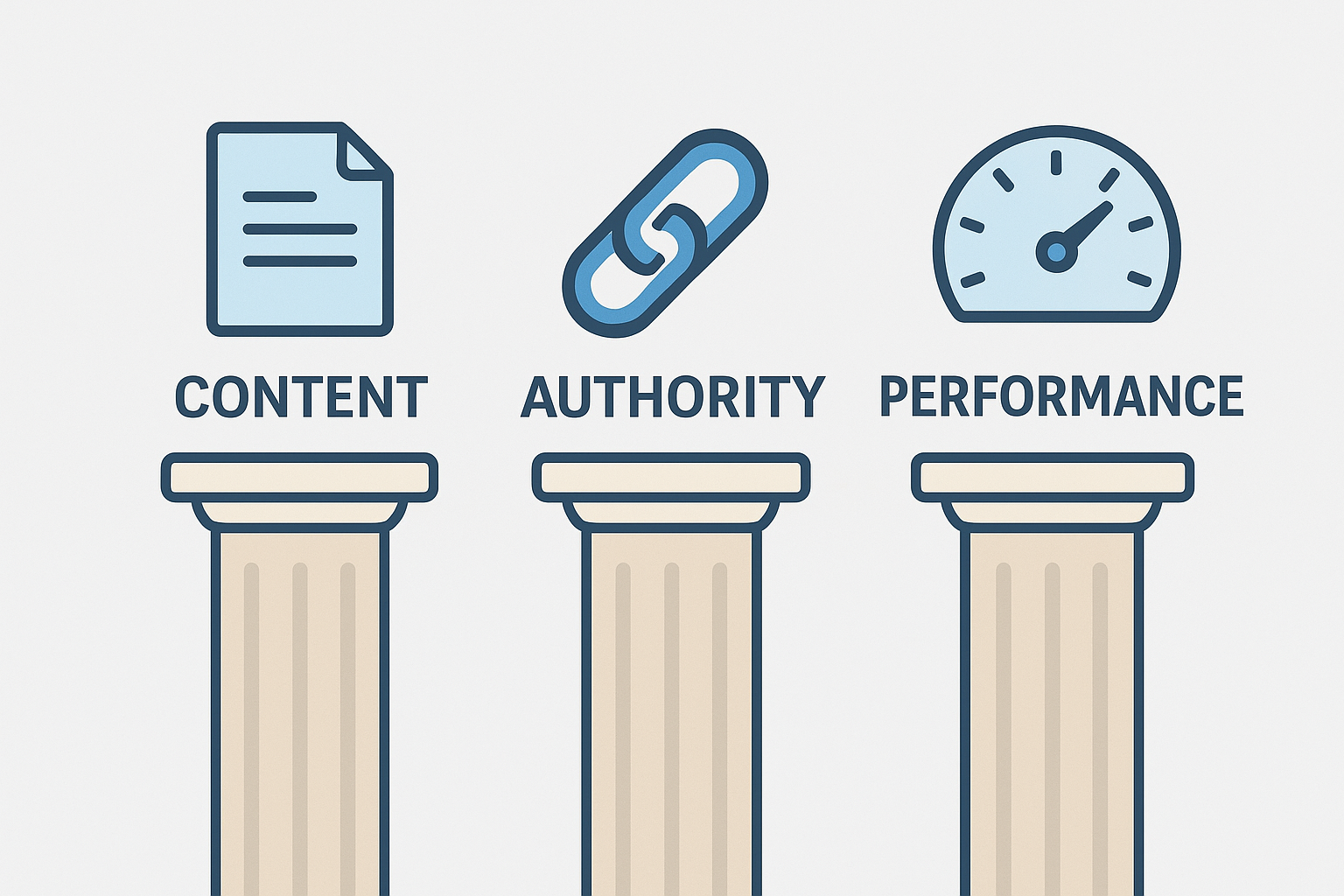
The three pillars of SEO — content, authority, and technical performance — must work in harmony for strong rankings.
Why SEO Matters for Your Business
Organic search is consistently one of the highest-converting traffic sources available. Unlike paid advertising, where visibility stops the moment your budget runs out, SEO builds compounding value over time. A well-optimized page can attract visitors for months or years after it is first published.
Additionally, users tend to trust organic results more than paid ads. Ranking near the top of a search result page signals credibility and expertise — factors that directly influence whether a visitor chooses to engage with your brand.
For businesses of all sizes, resources like RankAuthority provide practical guidance on building an SEO strategy that delivers measurable results. Whether you are starting from scratch or refining an existing approach, structured learning accelerates your progress significantly.
Key Steps to Start Optimizing Your Site
Getting started with SEO does not require expert-level knowledge from day one. Instead, following a structured process helps you build momentum quickly.
- Conduct keyword research. Identify the terms your target audience searches for and map them to specific pages on your site.
- Optimize your content. Write clear, thorough, and helpful content that directly satisfies search intent. Use your target keyword naturally in headings and body text.
- Improve your technical foundation. Run a site audit to identify crawl errors, slow pages, and mobile usability issues. Fix the most critical problems first.
- Build authoritative backlinks. Create content worth linking to and reach out to relevant websites for coverage or collaboration.
- Track and refine your results. Use tools like Google Search Console to monitor rankings, impressions, and click-through rates. Adjust your strategy based on what the data reveals.
Common Mistakes That Undermine Rankings
Many beginners unknowingly make choices that hurt their SEO performance. For example, publishing thin content — pages with very little useful information — signals low quality to search algorithms. Similarly, neglecting mobile optimization is increasingly costly as mobile searches now account for the majority of global search traffic.
Another frequent error is chasing low-quality backlinks from spammy directories or link farms. Although these tactics may have worked in the early days of SEO, modern algorithms actively penalize manipulative link-building. Therefore, focus on earning links through genuine value rather than shortcuts.
Finally, ignoring page speed is a mistake that affects both rankings and user experience. Google’s Core Web Vitals framework specifically measures loading performance, interactivity, and visual stability — all of which directly influence where your pages appear in results.
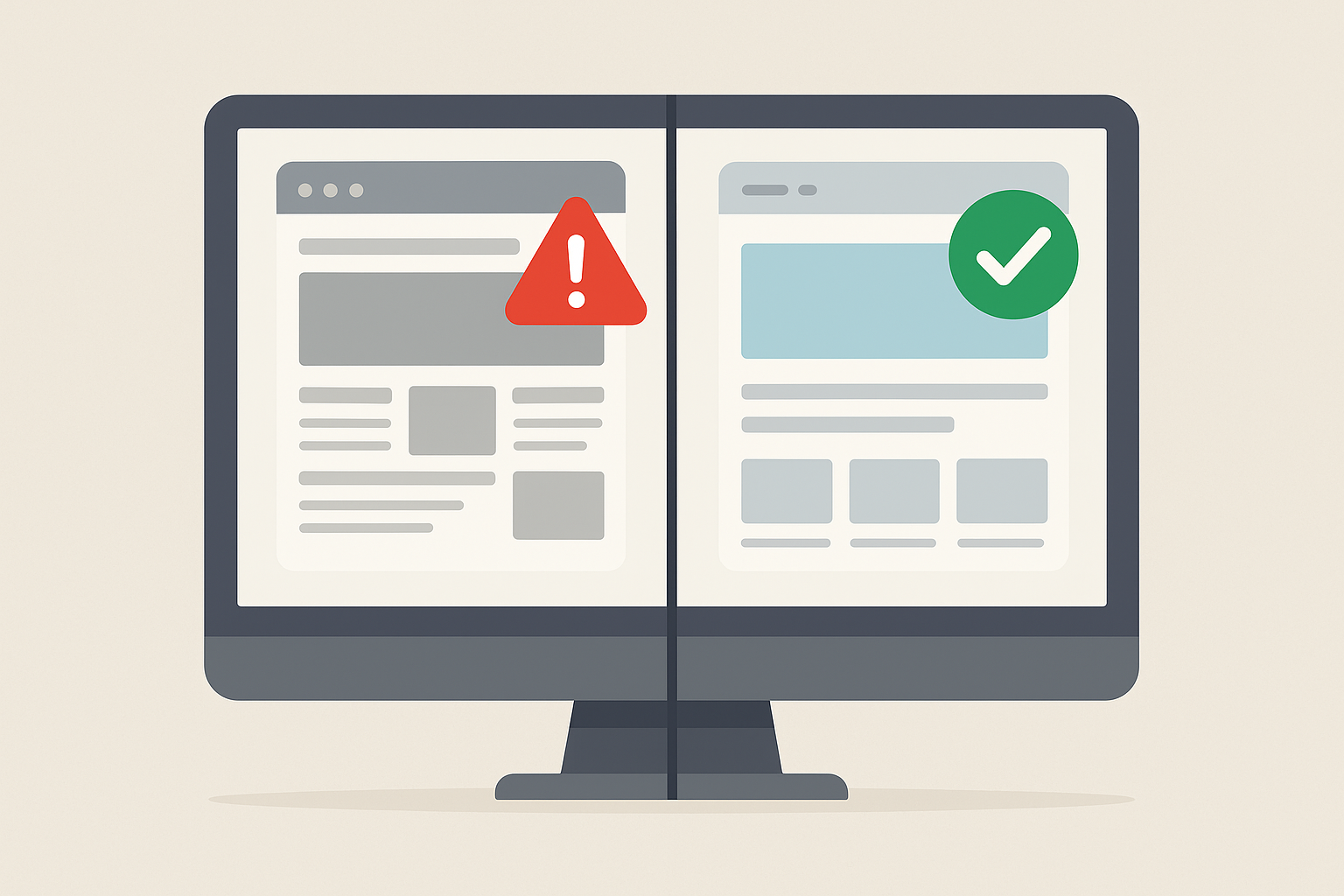
Site speed and clean structure are two technical factors that separate high-ranking pages from those that struggle to appear in results.
How Long Does SEO Take to Work?
SEO is a long-term investment rather than an instant solution. Most websites begin to see meaningful movement in rankings within three to six months of consistent effort. However, competitive industries may require twelve months or more before significant organic traffic materializes.
The timeline depends on several factors: the age and authority of your domain, the competitiveness of your target keywords, the quality of your content, and the rate at which you earn backlinks. New sites typically take longer because they start with little domain authority and no established crawl history.
Patience combined with consistent execution is the defining characteristic of successful SEO campaigns. In contrast, businesses that abandon their efforts after a few weeks rarely see the compounding returns that SEO is known for delivering.
Putting It All Together: Your SEO Action Plan
Understanding what is search engine optimization is the first step toward building a strategy that produces real results. SEO combines content quality, technical health, and external authority into a unified system that earns trust from both users and search engines over time.
Start by auditing what you already have, then prioritize the highest-impact improvements. Additionally, commit to publishing helpful, well-researched content on a consistent schedule. Over time, each optimized page adds to a growing foundation of organic visibility that compounds in value.
For deeper guidance on building and executing an effective strategy, RankAuthority offers resources designed to help site owners at every stage of their SEO journey. The sooner you begin, the sooner your efforts start compounding.
Frequently Asked Questions
What is search engine optimization in simple terms?
Search engine optimization is the practice of improving a website so it ranks higher in unpaid search results on engines like Google. The goal is to attract more organic visitors by making content more relevant, trustworthy, and technically sound.
How long does SEO take to show results?
Most websites begin to see measurable SEO results within 3 to 6 months of consistent effort. Highly competitive niches may take 12 months or longer to achieve top rankings.
What are the three main types of SEO?
The three core types are on-page SEO (content and keywords), off-page SEO (backlinks and authority), and technical SEO (site speed, crawlability, and structure). All three work together to improve overall search visibility.
Is SEO free or does it cost money?
Organic SEO does not require payment to search engines; however, it does require an investment of time, tools, and often professional expertise. Costs vary depending on whether you hire an agency, a freelancer, or manage it in-house.
What is the difference between SEO and paid search advertising?
SEO targets unpaid organic rankings that persist over time, while paid search places ads at the top of results for a fee per click. SEO builds long-term authority, whereas paid ads deliver immediate but temporary visibility.
Why do search engines change their algorithms?
Search engines update their algorithms to deliver more accurate, helpful, and spam-free results to users. Google alone makes thousands of minor updates per year, along with major core updates that can significantly shift rankings.
What is keyword research and why does it matter?
Keyword research is the process of identifying the words and phrases people type into search engines when looking for information. It matters because targeting the right keywords ensures your content reaches the audience most likely to engage with it.
What is a backlink and how does it affect SEO?
A backlink is a hyperlink from one website pointing to another. Search engines treat backlinks as votes of confidence, so earning links from authoritative sites can significantly boost a page’s rankings.
What is technical SEO?
Technical SEO refers to optimizations made to a website’s infrastructure rather than its content. This includes improving page speed, ensuring mobile-friendliness, fixing crawl errors, and implementing structured data markup.
Can small businesses benefit from SEO?
Yes, small businesses can benefit greatly from SEO, especially through local SEO strategies that target nearby customers. Ranking well for local searches can drive foot traffic and phone inquiries without a large advertising budget.
What is a meta description and does it affect rankings?
A meta description is a short summary of a page that appears beneath the title in search results. It does not directly influence rankings, but a compelling meta description improves click-through rates, which can indirectly support SEO performance.
What common SEO mistakes should beginners avoid?
Common mistakes include keyword stuffing, neglecting mobile optimization, ignoring page speed, building low-quality backlinks, and publishing thin or duplicate content. Each of these can harm rankings and user experience simultaneously.

