

Tools for SEO are software platforms and applications designed to help website owners, marketers, and developers improve their visibility in search engine results pages. Whether you are launching a new site or scaling an established brand, the right toolkit can mean the difference between page one and page ten.
However, not all tools serve the same purpose. Some focus on keyword research, others on technical audits, and still others on tracking rankings over time. Understanding which category of tool solves your current problem is therefore the first step toward smarter SEO investment.
What Are the Best Tools for SEO in 2025?
The best tools for SEO in 2025 fall into five core categories: keyword research, technical auditing, backlink analysis, rank tracking, and on-page optimization. Each category addresses a distinct ranking factor that Google and other search engines evaluate.
According to Wikipedia’s overview of search engine optimization, SEO encompasses both technical and creative elements aimed at improving rankings, driving traffic, and increasing awareness in search engines. As a result, a well-rounded toolkit must address all of those dimensions simultaneously.
Below is a breakdown of the most effective tools in each category, along with guidance on when and why to use them.
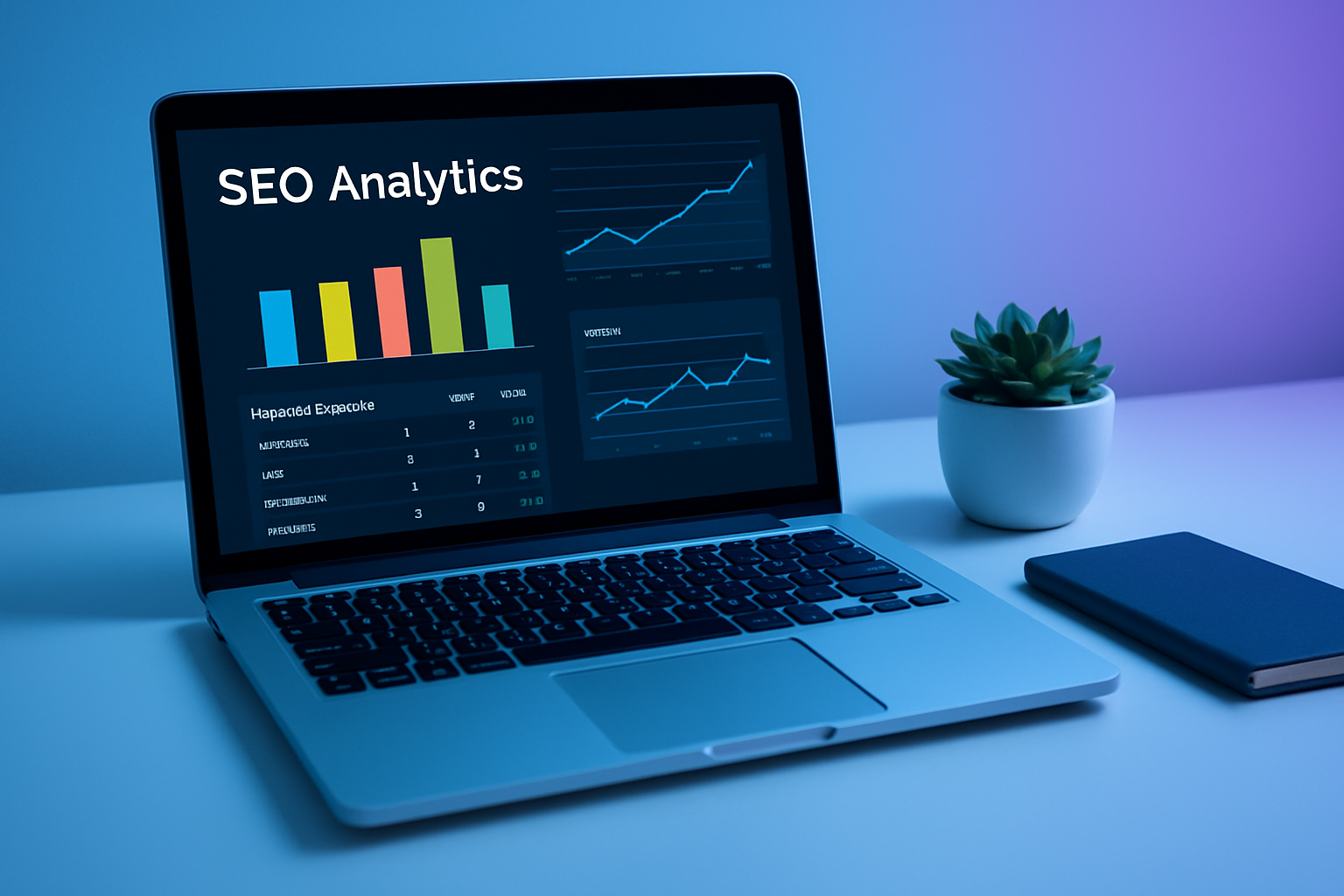
A comprehensive SEO tools dashboard helps marketers monitor keyword rankings, traffic trends, and technical health from one interface.
Keyword Research: Finding What Your Audience Searches For
Keyword research tools reveal the exact phrases people type into search engines, along with monthly search volume and competition data. Without this information, content creation is essentially guesswork.
Ahrefs Keywords Explorer is widely considered the most accurate keyword database available. It surfaces search volume, keyword difficulty scores, click-through rate estimates, and related term suggestions. Additionally, its “Parent Topic” feature helps you understand which keywords can be grouped under a single piece of content.
SEMrush Keyword Magic Tool offers a similarly deep database with over 25 billion keywords. It also integrates PPC data, so you can see whether a keyword has commercial intent based on advertiser competition. For content marketers, this dual perspective is especially valuable.
Google Search Console remains the most direct source of keyword data because it shows which queries already drive impressions and clicks to your site. In practice, combining Search Console with a third-party tool like Ahrefs gives you both real performance data and future opportunity mapping.
Technical Auditing: Fixing What Search Engines Cannot Crawl
Technical SEO tools scan your website for structural problems that prevent search engines from properly crawling and indexing your content. Even the best-written page will underperform if Google cannot access it correctly.
Screaming Frog SEO Spider is the industry-standard desktop crawler. It identifies broken links, redirect chains, missing meta descriptions, duplicate title tags, and slow-loading pages across thousands of URLs in minutes. The free version handles up to 500 URLs, which is sufficient for most small sites.
SEMrush Site Audit and Ahrefs Site Audit both offer cloud-based crawling with visual health scores and prioritized fix lists. Because they run on a schedule, they alert you automatically when new issues appear — a significant advantage over manual checks.
For teams managing large enterprise sites, pairing Screaming Frog with a cloud audit tool creates a thorough safety net. Meanwhile, smaller businesses can often rely on a single platform’s built-in audit feature to cover their needs adequately.
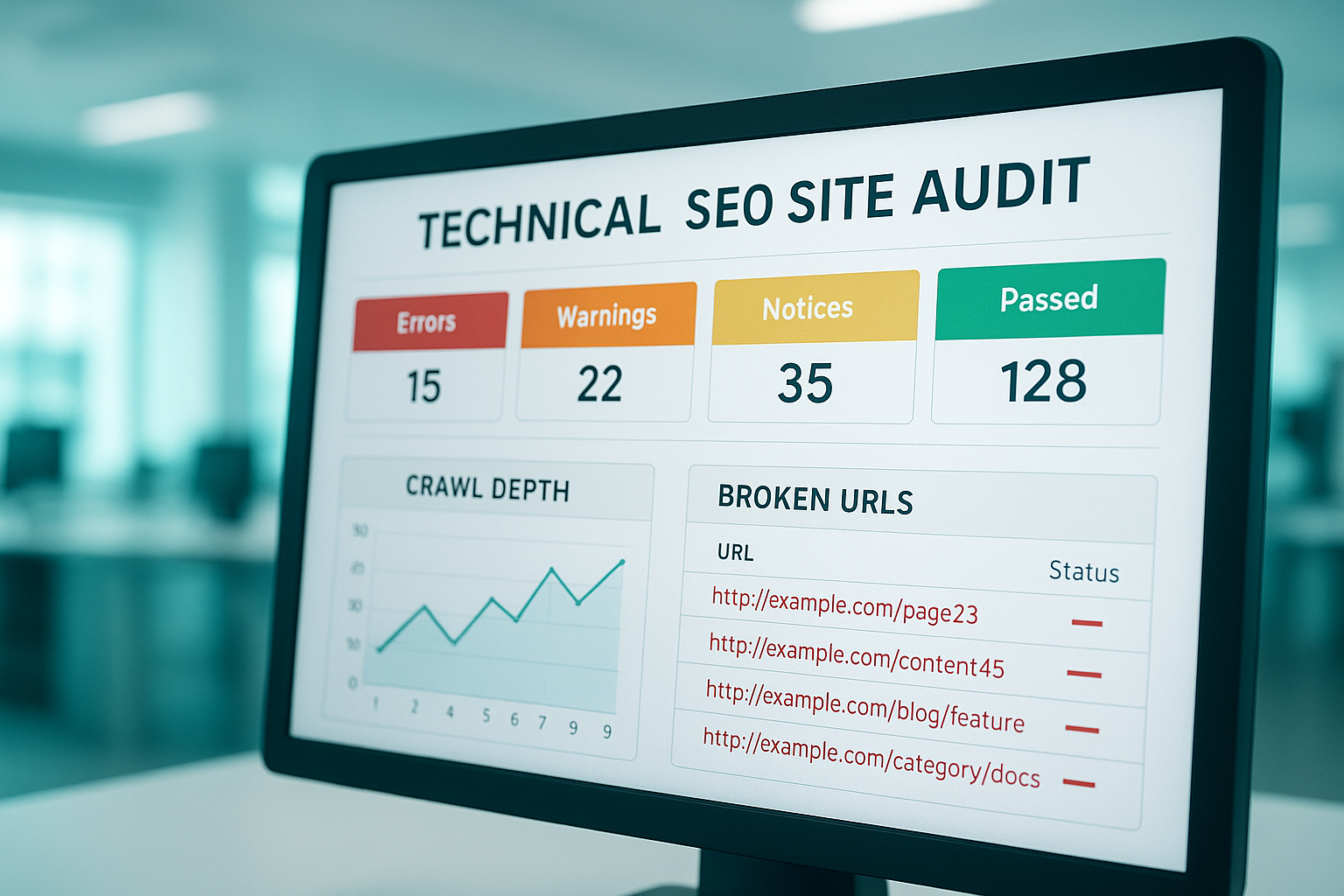
A technical site audit surfaces crawl errors and structural issues that prevent search engines from properly indexing your pages.
Backlink Analysis: Understanding Your Link Profile
Backlinks remain one of Google’s strongest ranking signals. Therefore, knowing who links to your site — and who links to your competitors — is critical for any serious SEO strategy.
Ahrefs Site Explorer has the largest live backlink index of any third-party tool, updated every 15 to 30 minutes. It shows referring domains, anchor text distribution, domain rating of linking sites, and newly gained or lost links. Consequently, it is the preferred choice for link-building campaigns.
Moz Pro Link Explorer offers a clean interface and its proprietary Domain Authority (DA) metric, which many marketers use as a quick benchmark when evaluating link prospects. Although DA is not a Google metric, it provides a useful relative comparison between sites.
For a deeper strategy framework, resources like RankAuthority provide expert guidance on building authoritative backlink profiles that align with current algorithm expectations.
Rank Tracking: Measuring Progress Over Time
Rank tracking tools monitor where your pages appear in search results for target keywords on a daily or weekly basis. Without consistent tracking, it is impossible to know whether your optimization efforts are working.
SEMrush Position Tracking allows you to monitor rankings by location, device type, and SERP feature presence. This granularity is especially useful for local businesses targeting city-specific queries or for e-commerce sites tracking featured snippet opportunities.
Ahrefs Rank Tracker similarly offers daily updates and competitor comparison within the same dashboard. Because both tools pull from large data sets, minor fluctuations are smoothed out, giving you a clearer trend line rather than noisy daily swings.
In practice, setting up rank tracking for your 20 to 30 most important keywords at launch — then expanding as you grow — prevents data overload while keeping you informed on what matters most.
On-Page Optimization: Refining What Readers and Bots See
On-page SEO tools analyze individual pages and recommend improvements to title tags, meta descriptions, heading structure, internal linking, and content depth. These tools bridge the gap between raw keyword data and actual content execution.
Surfer SEO compares your page against the top-ranking competitors for a given keyword and scores your content on factors like word count, keyword usage frequency, and heading structure. It then provides a real-time content editor that guides writers toward a higher optimization score.
Clearscope takes a similar approach, using natural language processing to identify semantically related terms that should appear in well-optimized content. As a result, pages optimized with Clearscope tend to cover topics more comprehensively, which aligns with Google’s helpful content guidelines.
Additionally, RankAuthority offers practical on-page optimization resources that complement these tools with proven editorial frameworks.
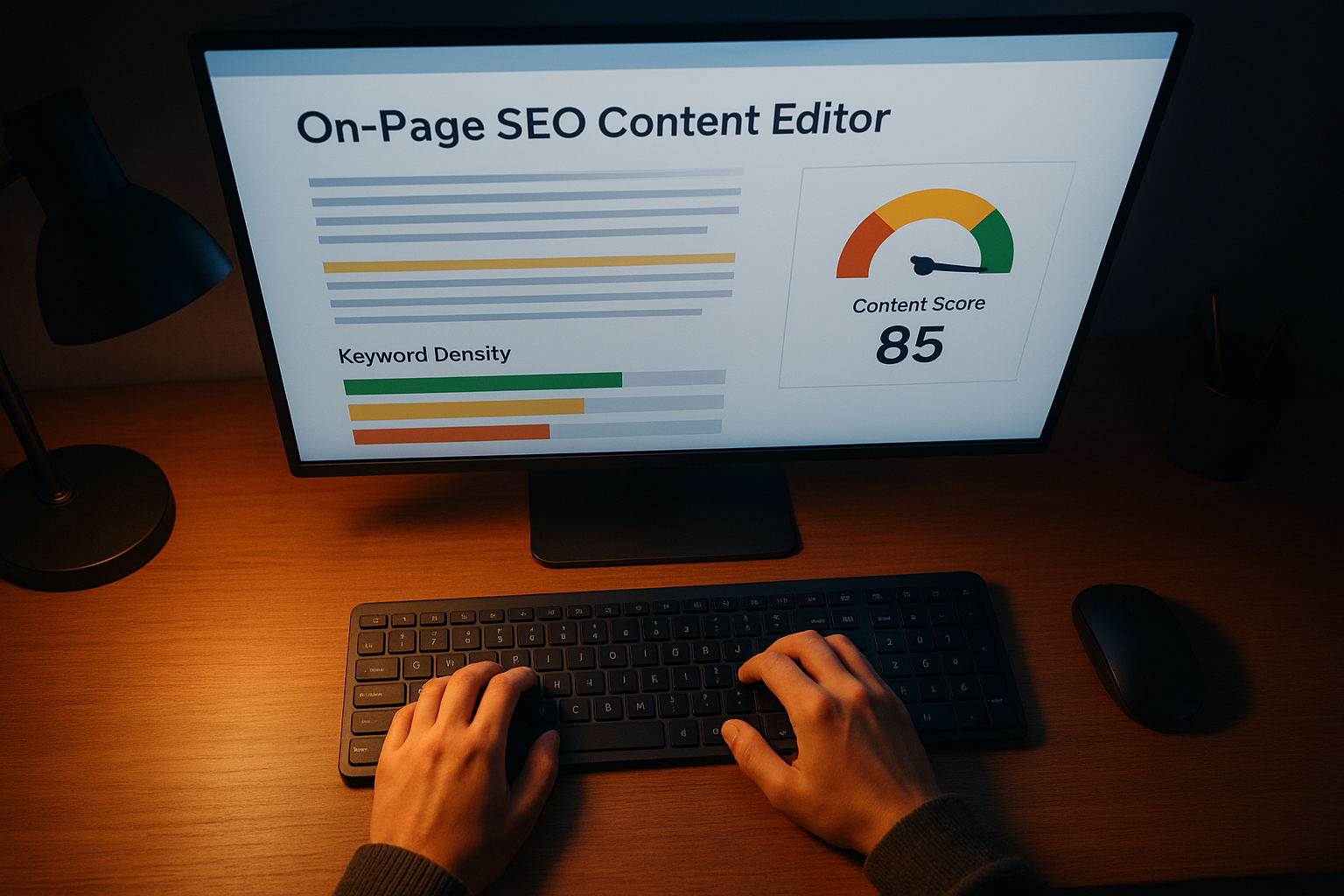
On-page SEO content editors guide writers toward better keyword coverage and content structure in real time.
Common Mistakes When Using SEO Tools
Even experienced marketers make avoidable errors with SEO tools. First, many users collect extensive audit data but never prioritize which issues to fix, resulting in analysis paralysis. Instead, focus on critical errors — broken pages, missing canonical tags, and crawl blocks — before addressing warnings.
Second, targeting high-volume keywords without evaluating search intent is a frequent misstep. A keyword with 50,000 monthly searches but transactional intent will not convert well for an informational blog post, regardless of how well the page ranks.
Finally, ignoring tool data after an initial setup is perhaps the most costly mistake. SEO is an ongoing process, so therefore scheduling monthly audits and weekly rank checks ensures you respond to algorithm changes and competitor movements before they erode your rankings.
How to Choose the Right SEO Toolkit for Your Needs
Choosing the right combination of tools depends on your budget, team size, and primary goals. For small businesses and solo bloggers, starting with Google Search Console and a free tier of Ubersuggest or Moz covers the fundamentals without any cost.
Growing businesses that invest in content marketing should consider adding Ahrefs or SEMrush for deeper keyword and backlink data. In contrast, agencies managing multiple client sites benefit most from platforms with white-label reporting and multi-project management, such as SEMrush Agency or Moz Pro.
Ultimately, the best approach is to start with one tool, master its core features, and then expand your stack as your SEO program matures. Adding tools before you are ready to act on their data creates noise rather than clarity.
Quick Answer: What Tools for SEO Should You Start With?
Begin with Google Search Console (free, direct Google data), add Ahrefs or SEMrush for keyword and backlink research, and use Screaming Frog for technical audits. This three-tool stack covers the most important ranking factors for the majority of websites.
Frequently Asked Questions About Tools for SEO
What are tools for SEO?
Tools for SEO are software platforms that help you research keywords, audit technical issues, analyze backlinks, and track rankings. They provide data-driven insights that guide optimization decisions and improve your organic search visibility over time.
Which SEO tool is best for beginners?
Google Search Console is the best starting point because it is free and directly connected to Google’s index. It shows which queries bring traffic, identifies crawl errors, and highlights mobile usability issues without requiring technical setup.
Are there free tools for SEO?
Yes, several powerful free options exist, including Google Search Console, Google Analytics, and Ubersuggest’s free tier. These tools cover keyword tracking, traffic analysis, and basic site auditing at no cost.
How much do professional SEO tools cost?
Professional SEO tools typically range from $99 to $449 per month depending on the platform and plan. Ahrefs starts at around $129/month, SEMrush at $139/month, and Moz Pro at $99/month, with enterprise plans costing significantly more.
What is the difference between Ahrefs and SEMrush?
Ahrefs is widely regarded as the strongest tool for backlink analysis, while SEMrush excels at all-in-one digital marketing features including PPC research and content marketing tools. Both offer keyword research and site auditing, so the best choice depends on your primary use case.
Do I need multiple SEO tools or just one?
Most professionals use at least two or three tools together because no single platform excels at everything. A common combination is Google Search Console for index data, Ahrefs or SEMrush for research, and Screaming Frog for technical audits.
What is Screaming Frog used for in SEO?
Screaming Frog SEO Spider is a desktop crawler that scans your website for technical issues such as broken links, duplicate content, missing meta tags, and redirect chains. It is especially useful for large sites where manual checking is impractical.
How do SEO tools help with keyword research?
SEO tools surface keyword search volume, competition level, and related query suggestions so you can identify terms your audience actually uses. They also show which keywords competitors rank for, revealing content gap opportunities you can target.
Can SEO tools guarantee higher rankings?
No tool can guarantee higher rankings because search algorithms consider hundreds of factors and are constantly updated. However, using the right tools consistently helps you make informed decisions that significantly improve your chances of ranking well.
What is a site audit in SEO tools?
A site audit is an automated scan that checks your website for technical and on-page problems such as slow page speed, broken links, missing alt text, and crawlability issues. Most major SEO platforms include this feature and score your site while prioritizing fixes.
How often should I run an SEO audit?
Running a full SEO audit at least once per month is recommended for active websites, and immediately after any major site changes or migrations. Continuous crawling features in tools like SEMrush and Ahrefs can alert you to new issues in real time.
What common mistakes do people make when using SEO tools?
The most common mistake is collecting data without acting on it — many users run audits and ignore the recommendations. Another frequent error is targeting high-volume keywords without considering competition level or search intent, leading to wasted content effort.
Conclusion: Putting Tools for SEO to Work
The right tools for SEO transform guesswork into strategy. By combining keyword research, technical auditing, backlink analysis, and rank tracking into a cohesive workflow, you gain the visibility needed to compete in any niche. Start with the free essentials, expand as your program grows, and act consistently on the data your tools surface — because insight without action produces no rankings at all.

