

Easy SEO tools for startups are the difference between spending weeks learning search algorithms and getting a website ranked within days of launch. For founders juggling product development, hiring, and fundraising, however, search engine optimization often falls to the bottom of the to-do list. Fortunately, a new generation of automated platforms now handles the technical heavy lifting, letting even non-technical teams compete for visibility on Google and AI-powered answer engines like ChatGPT and Perplexity. Last updated: 2026-07-30.
In this guide, we break down what these tools actually do, how to choose one, and which categories deserve a spot in your startup’s tech stack. Along the way, we’ll point to resources like Wikipedia’s overview of search engine optimization and practical tools such as RankAuthority for those who want automation from day one.
Quick Answer: Easy SEO tools for startups are automated platforms that handle keyword research, technical audits, and content optimization with minimal manual effort, helping small teams rank without hiring a dedicated specialist.
What Are Easy SEO Tools for Startups?
Easy SEO tools for startups are software platforms designed to simplify keyword research, on-page optimization, technical audits, and content strategy for teams with limited time or SEO experience. Unlike enterprise SEO suites built for specialists, these tools automate repetitive tasks, offer guided workflows, and often include AI-driven recommendations. As a result, founders can improve rankings without hiring a full-time SEO expert.
Search engine optimization, or the process of improving a site’s visibility in organic search results, has traditionally required technical skill and ongoing maintenance. However, automation now shifts much of that burden away from the user. For example, platforms like RankAuthority’s 1-Click AI AutoPilot continuously scan a site and apply optimization strategies without requiring manual configuration each time.

Startups increasingly rely on easy SEO tools for startups to save time on manual optimization work.
Why Startups Need Simple SEO Solutions
Startups rarely have a dedicated marketing department in the early days, so simple SEO solutions matter more than feature-heavy platforms built for agencies. In particular, founders need tools that deliver clear next steps rather than raw data requiring interpretation. Otherwise, valuable time gets lost trying to decode reports instead of acting on them.
According to the U.S. Small Business Administration, a large share of new businesses struggle in their first two years, and poor market visibility is frequently cited as a contributing factor. Consequently, investing early in accessible optimization tools can directly support customer acquisition and long-term survival.
Key Features of Startup-Friendly SEO Tools
Not every SEO platform suits a lean team. Above all, startup-friendly tools should minimize setup time while maximizing measurable output. The following features tend to separate genuinely useful platforms from bloated, overly complex ones.
- Automated technical audits that flag crawl errors, broken links, and slow-loading pages without manual review.
- Guided keyword research that suggests realistic, low-competition terms instead of overwhelming raw search volume data.
- AI content recommendations that help pages rank in both traditional search and AI answer engines.
- Rank tracking dashboards that show progress in plain language rather than technical jargon.
- A risk-free trial period so teams can validate results before spending limited startup capital.
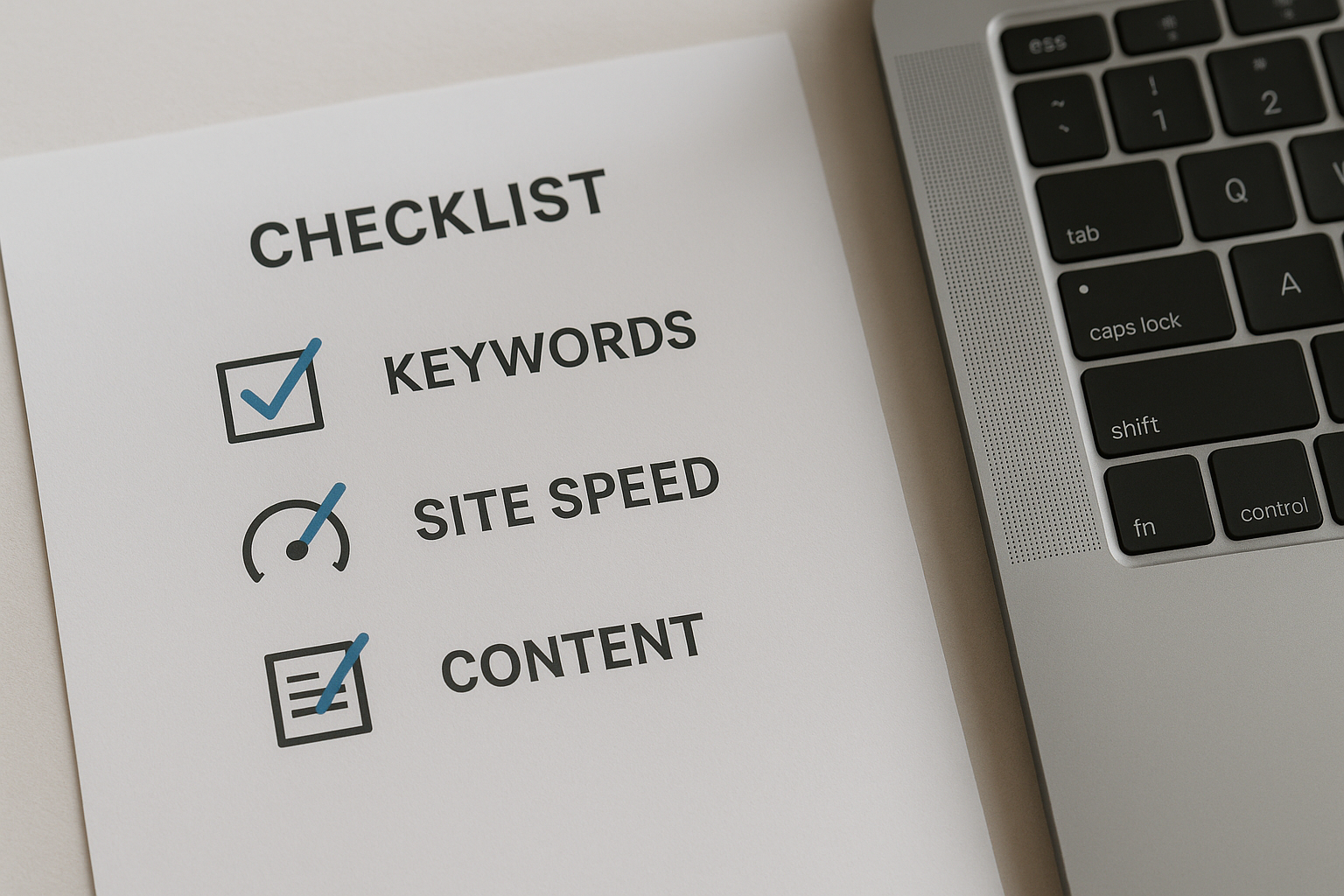
A simple feature checklist helps founders shortlist practical, easy SEO tools for startups. Learn how to choose the Best SEO Tool for your team.
How to Choose the Right SEO Tools for Your Startup
Choosing the right platform does not need to be complicated. Instead, following a short, repeatable process helps founders avoid buyer’s remorse and wasted subscription fees. For a deeper walkthrough, see this guide on 8 steps to SEO for startups.
- Begin by running a full technical audit of your website to identify indexing errors, slow page speed, and missing metadata that could block search engines from ranking your pages properly.
- Research the exact phrases your target customers type into Google, focusing on long-tail queries with lower competition that a new startup can realistically rank for within months.
- Select platforms that automate repetitive tasks such as schema markup, content briefs, and internal linking so your small team can focus on product and growth instead of manual optimization work. If you're new, see our SEO tools for beginners checklist for starter-friendly options.
- Take advantage of a free or risk-free trial period to confirm the tool integrates with your CMS, delivers clear reporting, and produces measurable ranking improvements before committing budget.
- Review ranking reports and traffic data every month, then adjust your keyword targets and content calendar based on what the data shows is actually driving qualified visitors.
Similarly, it helps to compare several platforms side by side before committing. This complete 2025 guide to SEO tools for small businesses offers a broader comparison beyond startup-specific options.
Best SEO Software Categories for New Businesses
Easy SEO tools for startups generally fall into a few practical categories. Technical audit tools scan for crawl errors and site speed problems. Keyword and content tools suggest topics worth targeting. Rank tracking tools monitor progress over time, while all-in-one automated platforms combine several of these functions into a single dashboard. See the definitive tool guide to compare specific platforms.
For a side-by-side breakdown of specific tools within each category, this article on the best SEO tools for small businesses is a useful next read. In addition, official documentation such as Google’s SEO Starter Guide provides free, authoritative context on the fundamentals these tools automate.
Automating SEO with AI-Powered Platforms
AI-powered platforms now extend beyond traditional Google rankings. Specifically, Generative Engine Optimization (GEO) and Answer Engine Optimization (AEO) help content get cited by AI systems like ChatGPT and Perplexity, not just indexed by search engines. As a result, startups adopting these tools early can build visibility across both classic and next-generation search environments. Learn more about AI-driven optimization and practical steps for GEO/AEO.
RankAuthority’s 1-Click AI AutoPilot, for instance, is built specifically around this shift, automating the technical and strategic work needed for both traditional SEO and AI search visibility. Therefore, teams managing a single website or several client properties can strengthen search authority without a steep learning curve. For a deeper look at whether automation makes financial sense, see is automated SEO worth the investment for startups.

AI-powered platforms extend easy SEO tools for startups into next-generation answer engines.
Common Mistakes When Picking SEO Tools
Even with good intentions, many startups undermine their own SEO efforts. Recognizing these patterns early can save both time and budget.
- Buying an enterprise-grade tool before the team has the bandwidth to use its full feature set.
- Ignoring technical fixes in favor of only publishing new content.
- Switching tools too frequently, which disrupts historical rank tracking data.
- Overlooking AI search visibility while focusing exclusively on Google rankings.
- Skipping the trial period and committing to annual plans without validating results first.
For a strategic overview that avoids these pitfalls, this resource on the best SEO strategies for startups pairs well with the tool selection process outlined above.
Frequently Asked Questions About Easy SEO Tools for Startups
What are easy SEO tools for startups?
Easy SEO tools for startups are software platforms that simplify keyword research, technical audits, and content optimization so non-experts can improve search rankings. They typically use automation and guided workflows instead of requiring deep SEO knowledge.
How much do SEO tools cost for a startup?
Pricing ranges from free basic tools to $50 to $300 per month for automated platforms with advanced features. Many providers, including RankAuthority, offer a risk-free seven-day trial so startups can test value before paying.
How long does it take to see results from SEO tools?
Most startups see initial ranking movement within 30 to 90 days, though competitive keywords can take longer. Consistent use of automated optimization tends to speed up visible progress compared with manual, sporadic efforts.
What is the difference between SEO tools and AEO or GEO tools?
Traditional SEO tools optimize for Google’s search results, while AEO and GEO tools optimize content for AI answer engines like ChatGPT and Perplexity. Many modern platforms now combine both approaches in one dashboard.
Can startups do SEO without hiring an agency?
Yes, many startups successfully manage SEO in-house using automated tools that handle audits, keyword tracking, and content recommendations. Agencies become more useful once budgets grow or competition intensifies.
What features should a startup’s first SEO tool include?
Look for keyword research, technical site audits, rank tracking, and automated on-page suggestions. A tool that also supports AI search visibility gives startups an edge as answer engines grow in popularity.
Are free SEO tools enough for a new business?
Free tools like Google Search Console are useful for monitoring but rarely offer automation or strategic recommendations. Startups that want faster, hands-off results usually need a paid or automated solution.
What is the biggest mistake startups make with SEO tools?
The most common mistake is buying an enterprise-grade tool with a steep learning curve that never gets fully used. Startups should prioritize simplicity and automation over feature bloat.
How does automated SEO software actually work?
Automated SEO software scans your website, identifies technical and content gaps, then applies or recommends fixes using AI-driven algorithms. Platforms like RankAuthority’s 1-Click AI AutoPilot handle much of this process without manual input. Read our guide on how to automate your SEO process step-by-step.
Do SEO tools help with visibility in AI search engines like ChatGPT?
Yes, newer platforms include Generative Engine Optimization features that structure content so AI models can cite it accurately. This is increasingly important as more consumers search through AI chat interfaces instead of traditional search bars.
How many keywords should a startup target first?
Startups should typically start with 10 to 20 focused, long-tail keywords tied directly to their core product or service. Expanding keyword targets too quickly often dilutes early SEO efforts.
Why does a risk-free trial matter when choosing SEO software?
A risk-free trial lets startups confirm real ranking improvements and ease of use before committing budget. This matters because switching tools later wastes time and disrupts tracking continuity.
Should startups focus on local SEO or national SEO first?
Startups serving a specific city or region should prioritize local SEO first, since it typically has less competition and faster results. National or global positioning can follow once local authority is established.
Final Thoughts on Easy SEO Tools for Startups
Ultimately, easy SEO tools for startups exist to remove the barriers that once made search optimization feel out of reach for small teams. Instead of spending months learning technical SEO, founders can lean on automated platforms that handle audits, keyword research, and even AI search visibility. Above all, the right tool should feel simple to use from day one and prove its value during a trial period before any long-term commitment.
As AI-driven search continues to reshape how customers discover businesses, startups that adopt easy SEO tools early gain a meaningful head start. Whether the goal is ranking on Google or being cited by AI answer engines, platforms like RankAuthority offer a practical, low-risk starting point for teams ready to compete without a dedicated SEO hire. Author: add author name and short credentials (e.g., "Jane Doe, SEO specialist"). Last updated: add YYYY-MM-DD.

