
A website that is search engine optimized is one that has been deliberately structured, written, and configured so search engines like Google can easily crawl, understand, and rank its pages above competitors. Without this foundation, even the most beautifully designed site will struggle to attract organic visitors. Author: RankAuthority Editorial Team. Last updated: 2026-07-02.
Therefore, understanding what makes a site truly optimized — and acting on that knowledge — is the single highest-leverage investment a website owner can make. This guide walks you through every critical layer, from keyword research to technical infrastructure. Learn how to improve your search rankings.
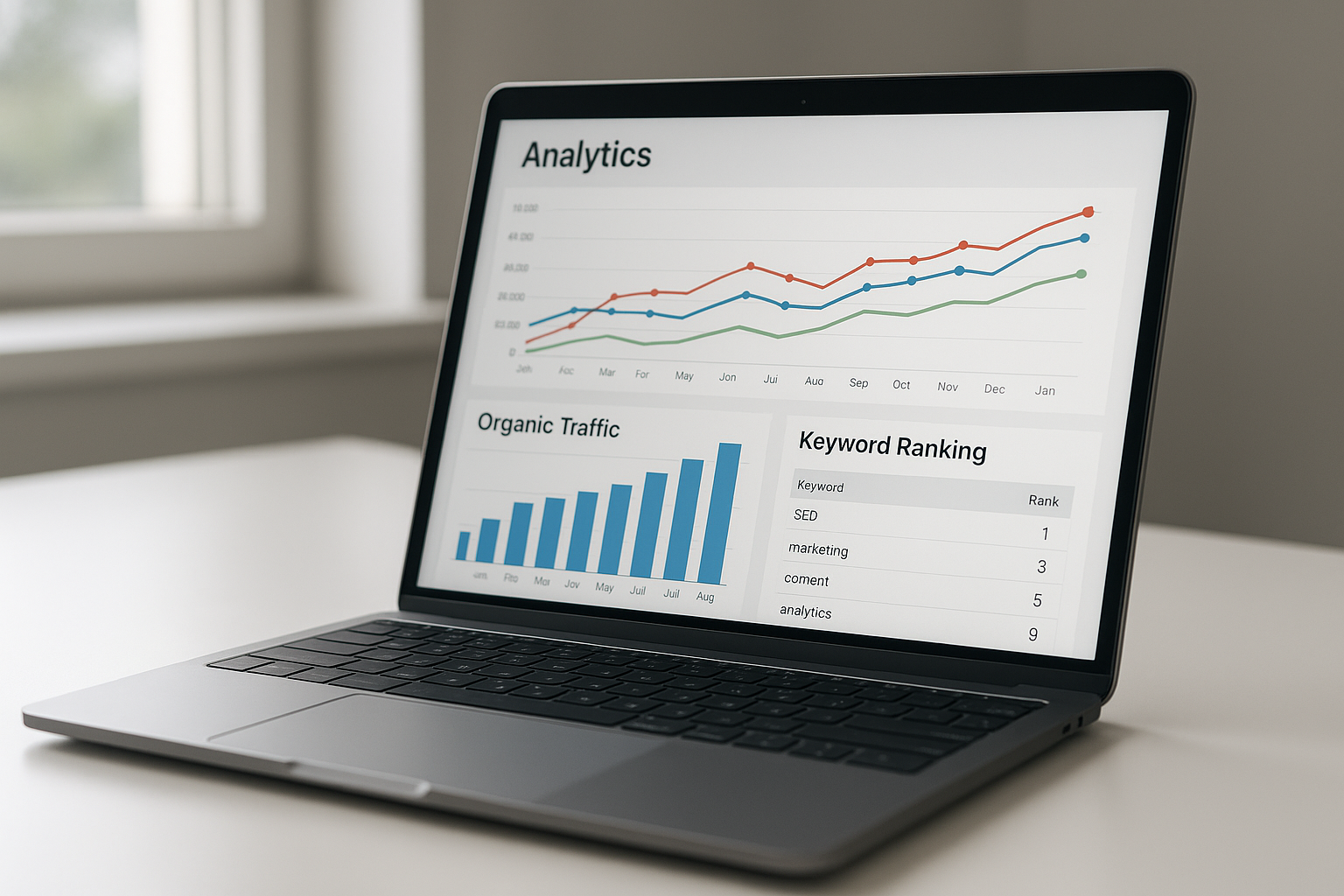
A well-structured, search engine optimized site produces measurable gains in organic traffic over time.
What Does It Mean to Be a Search Engine Optimized Website?
Being search engine optimized means your site satisfies both the technical requirements and the content quality signals that search engines use to evaluate pages. According to Wikipedia’s overview of search engine optimization, SEO encompasses on-page content, off-page authority signals, and technical factors that collectively determine where a page ranks.
In practice, this means your pages must load quickly, communicate their topic clearly to crawlers, earn trust from other websites, and genuinely satisfy the intent behind a user’s search query. Each of these pillars reinforces the others.
Direct Answer
A search engine optimized website earns higher rankings by combining relevant, well-written content with strong technical performance and credible external links. All three elements must work together — none alone is sufficient for sustained visibility.
Step 1: Conduct Thorough Keyword Research
Keyword research is where every successful SEO strategy begins. First, you need to identify the exact phrases your target audience types into search engines. Tools such as Google Keyword Planner, Ahrefs, and SEMrush reveal monthly search volumes, competition levels, and related terms. See our AI-powered keyword research guide.
However, simply chasing high-volume keywords is a common mistake. New and mid-sized sites should instead prioritize long-tail keywords — specific three-to-five-word phrases with lower competition but clear user intent. For example, targeting “best running shoes for flat feet” is far more winnable than targeting “running shoes” alone. Read our keyword research guide for more.
Additionally, group your keywords by topic clusters. This approach helps you build topical authority, which signals to Google that your site is a reliable resource on a given subject rather than a collection of unrelated pages.
Step 2: Optimize On-Page Elements
On-page optimization is the process of aligning individual page elements with your target keyword and user intent. Because search engines read page code before they read prose, every structural element carries weight. Learn how to optimize website content for search engines.
Place your primary keyword in the page title, the first paragraph, at least one subheading, and the meta description. Furthermore, use descriptive alt text on every image so that crawlers understand visual content that they cannot otherwise interpret. See content optimization practices for details.
Beyond keywords, internal linking matters enormously. Linking related pages together helps search engines discover your content and distributes ranking authority across your site. As a result, well-linked sites tend to rank more pages than isolated ones. See our guide on sustained search visibility.
Content Quality and User Intent
Google’s algorithms increasingly reward content that genuinely answers a searcher’s question rather than content that merely stuffs keywords onto a page. Therefore, write for your reader first and optimize for crawlers second.
Match your content format to the query type. Informational queries deserve detailed guides. Transactional queries need clear product pages with pricing and calls to action. Navigational queries should lead directly to the page the user expects. Misaligning format with intent is one of the fastest ways to lose a ranking you worked hard to earn.
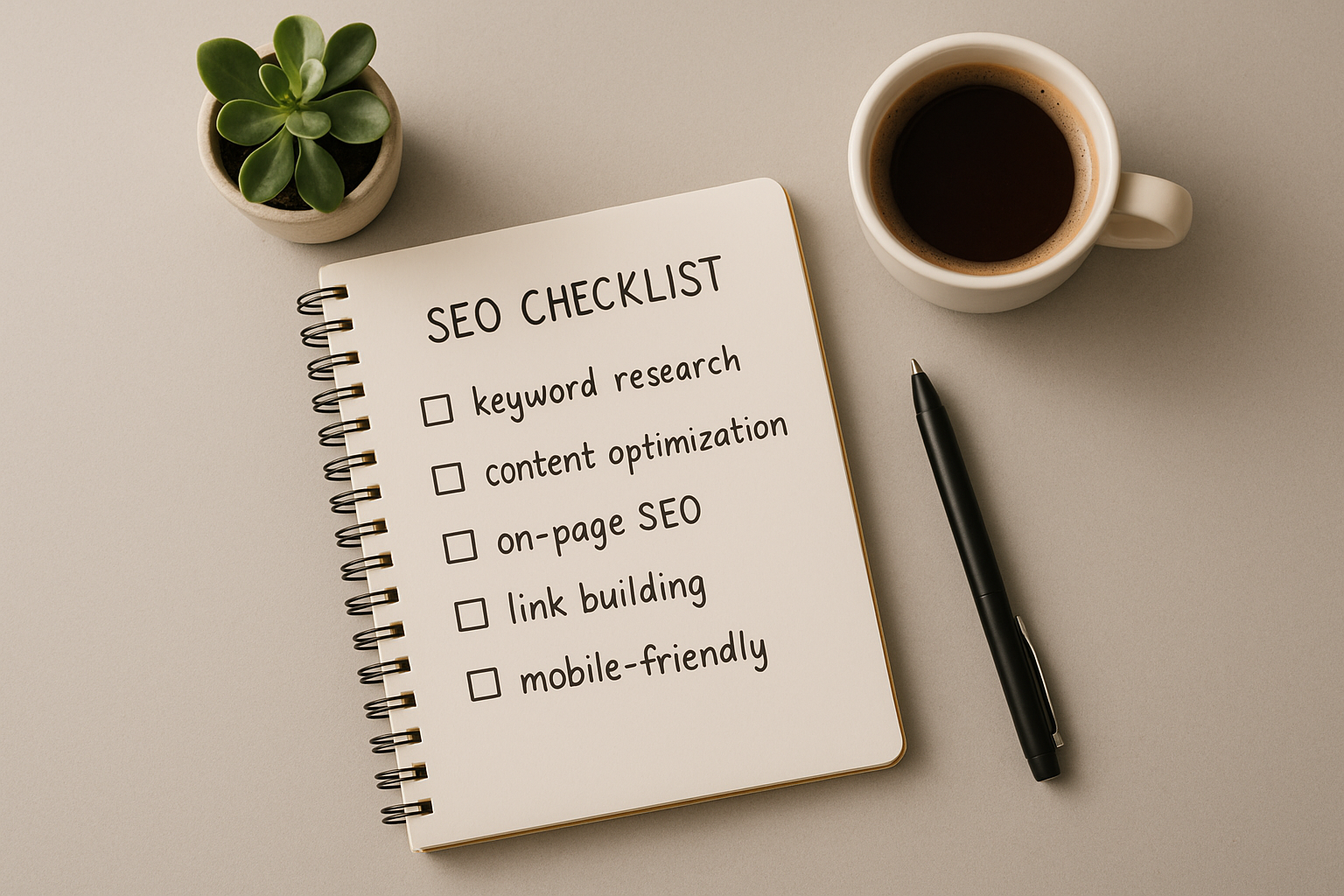
Planning your on-page SEO with a structured checklist keeps every optimization step on track.
Step 3: Improve Technical SEO
Technical SEO addresses the infrastructure that determines whether search engines can access and understand your site in the first place. Even excellent content will underperform if crawlers cannot reach it efficiently.
Start with site speed. Google uses Core Web Vitals — metrics measuring loading performance, interactivity, and visual stability — as ranking signals. Compress images, enable browser caching, and use a content delivery network to reduce load times globally.
Next, ensure your site is mobile responsive. Google uses mobile-first indexing, which means it primarily evaluates the mobile version of your pages. A site that breaks on smartphones will consequently rank below a mobile-friendly competitor, regardless of content quality.
Finally, submit an XML sitemap to Google Search Console and fix any crawl errors that appear in the Coverage report. These steps ensure Google discovers and indexes your pages promptly. Resources like RankAuthority offer detailed technical SEO auditing guidance for sites at every level.
Step 4: Build High-Quality Backlinks
Backlinks — links from other websites pointing to yours — remain one of Google’s most powerful ranking signals. However, quality matters far more than quantity. A single link from a respected industry publication can outweigh hundreds of links from low-authority directories.
Effective link-building strategies include guest posting on authoritative blogs, publishing original research or data that others naturally cite, and creating genuinely useful free tools or resources. In contrast, buying links or participating in link schemes violates Google’s guidelines and risks a manual penalty. Learn how to improve website authority.
Additionally, digital PR — pitching journalists and bloggers with newsworthy stories about your business — can earn high-authority editorial links that are nearly impossible to replicate through other means.
Step 5: Monitor, Measure, and Refine
SEO is not a one-time task — it is an ongoing process of measurement and refinement. Therefore, tracking performance data is as important as any optimization tactic. For practical tactics to improve rankings quickly, read improve your search rankings.
Use Google Search Console to monitor which queries drive impressions and clicks, identify pages with declining rankings, and discover new keyword opportunities. Meanwhile, Google Analytics reveals how organic visitors behave once they land on your site, including bounce rates and conversion paths. Try our guide on improve website search rankings.
Refresh underperforming content every six to twelve months. Update statistics, expand thin sections, and add new internal links as your site grows. As a result, existing pages can recover lost rankings and continue delivering value long after their initial publication date.
Common Mistakes That Undermine Your Rankings
Many sites plateau because of avoidable errors. Duplicate content confuses crawlers and splits ranking authority between pages. Ignoring Core Web Vitals scores drives users away before they engage. Targeting keywords that are too broad leaves new sites invisible behind established competitors. Learn how to improve search rankings.
Furthermore, neglecting structured data markup means missing out on rich results — the star ratings, FAQ dropdowns, and recipe cards that dramatically increase click-through rates in Google’s search results. Adding schema is a low-effort, high-reward investment that many site owners overlook entirely. For a comprehensive walkthrough on implementation see WordPress schema injection.
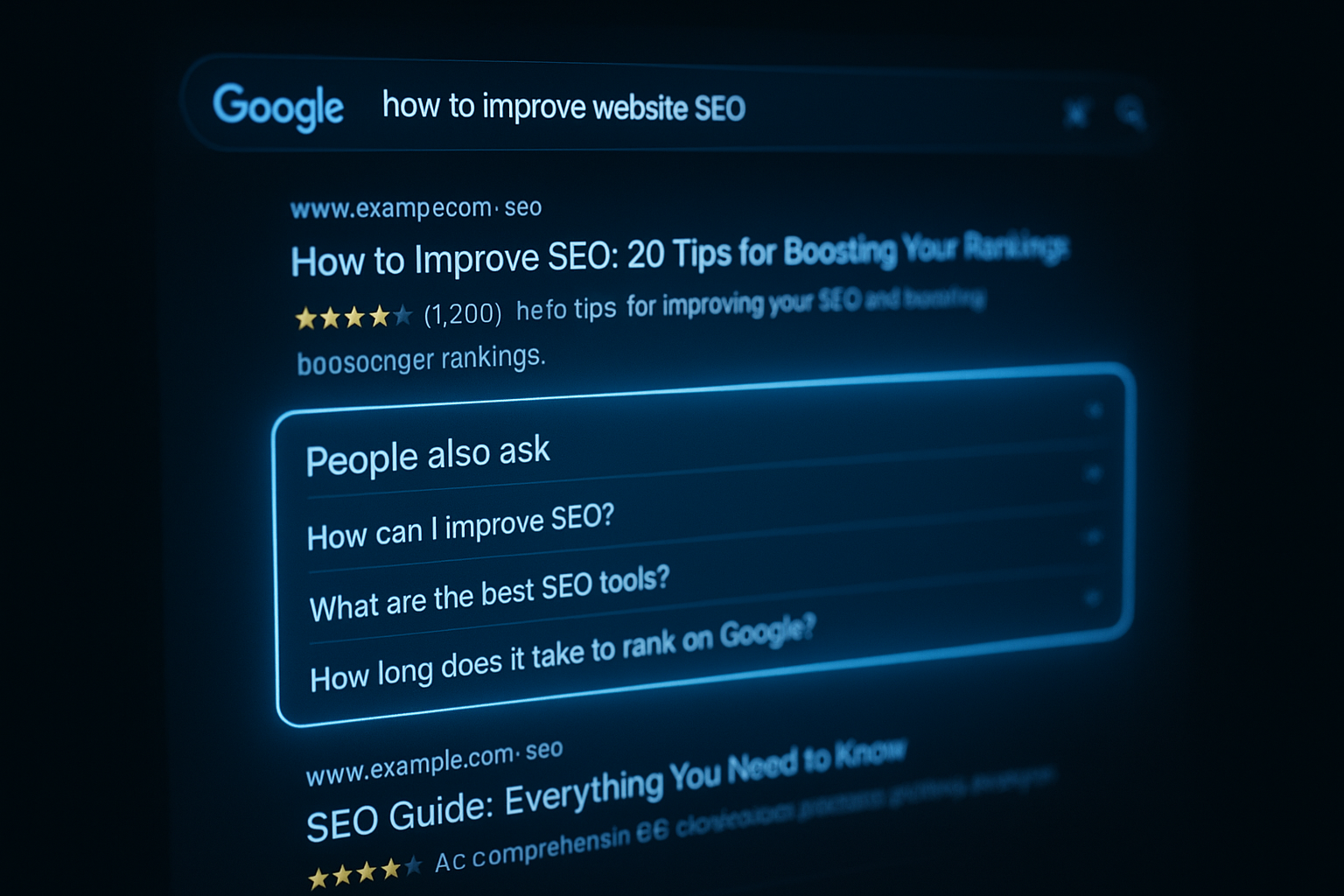
Structured data markup unlocks rich results in Google, increasing visibility for optimized pages.
Why a Holistic SEO Approach Wins Long-Term
Sites that treat SEO as a checklist of isolated tactics rarely sustain their rankings. In contrast, sites that align content strategy, technical health, and link authority into a unified system consistently outperform competitors over time.
Google’s algorithm evaluates hundreds of signals simultaneously. Therefore, improving only one dimension — say, publishing more content while ignoring page speed — produces diminishing returns. A holistic approach compounds gains across every signal at once. Learn about advanced algorithm optimization.
Finally, remember that SEO is ultimately about earning trust — from users and from search engines alike. Sites that publish accurate, helpful, well-presented information naturally accumulate the signals that drive long-term rankings growth. Read about achieving long-term search rankings.
Frequently Asked Questions About Being Search Engine Optimized
What does it mean for a website to be search engine optimized?
A search engine optimized website is one structured, written, and configured so search engines can crawl, understand, and rank it effectively. This involves on-page content, technical performance, and external authority signals working together.
How long does it take to see results from SEO?
Most sites see measurable results within 3 to 6 months of consistent effort. However, competitive niches may require 6 to 12 months before significant ranking improvements become visible.
What is the difference between on-page and technical SEO?
On-page SEO focuses on content and HTML elements like headings, keywords, and meta descriptions. Technical SEO, in contrast, addresses backend infrastructure including crawlability, site speed, and structured data markup.
Do I need to hire an SEO agency to rank on Google?
Not necessarily. Many small businesses achieve strong rankings by following established best practices independently. However, an experienced agency can accelerate results, especially in highly competitive markets.
How important is page speed for SEO?
Page speed is a confirmed Google ranking factor and directly affects user experience. Slow pages produce higher bounce rates, which signal poor quality to search engines and suppress rankings.
What is keyword research and why does it matter?
Keyword research identifies the search terms your audience uses to find content like yours. Without it, you risk creating content nobody searches for, wasting time and resources on invisible pages.
Are backlinks still important for SEO in 2025?
Yes, backlinks remain among the most powerful ranking signals in Google’s algorithm. Quality matters far more than quantity — a few links from authoritative domains outperform hundreds of low-quality links.
What is a meta description and does it affect rankings?
A meta description summarizes a page’s content in search results. While not a direct ranking factor, a compelling meta description improves click-through rates, which can indirectly boost rankings over time.
How does mobile-friendliness affect search rankings?
Google uses mobile-first indexing, meaning it primarily evaluates the mobile version of your pages for ranking. Sites that are not mobile responsive therefore rank below responsive competitors regardless of content quality.
What is structured data and should I use it?
Structured data is code that helps search engines understand your page’s content and context. Using schema markup can earn rich results in Google — such as star ratings and FAQ dropdowns — which increase visibility and click-through rates significantly.
What is the biggest SEO mistake beginners make?
The most common mistake is targeting keywords that are far too competitive. New sites should instead focus on long-tail, low-competition keywords to build authority before pursuing high-volume terms.
How often should I update my website content for SEO?
Refreshing existing content every 6 to 12 months helps maintain rankings, particularly for topics where information changes frequently. Google favors fresh, accurate content for many query types and rewards regular updates.
Making Your Site Truly Search Engine Optimized: Final Takeaway
Building a website that is genuinely search engine optimized requires consistent effort across content quality, technical health, and authority building. No single tactic produces lasting results in isolation — instead, each layer compounds the effectiveness of the others.
Start with keyword research, optimize every on-page element, resolve technical issues, earn quality backlinks, and measure your results regularly. As a result, you will build a site that search engines trust, users love, and competitors struggle to displace.
The sites that dominate Google in 2025 are not the ones that found a shortcut — they are the ones that committed to doing every foundational element correctly and kept improving over time. Author: Rank Authority. Last updated: 2026-05-19.

