

Quick Answer: Page rank moz is Moz’s proprietary system of SEO metrics — chiefly Domain Authority (DA) and Page Authority (PA) — that uses machine learning and backlink data to predict how likely a website or page is to rank in search engine results. These scores run from 1 to 100 on a logarithmic scale, where higher numbers indicate stronger ranking potential.
For a deeper walkthrough, see our 7 Cheaper SEMrush Alternatives That Actually Work.
If you have spent any time researching SEO, you have almost certainly encountered the term page rank moz — a shorthand that describes Moz’s suite of link-based ranking metrics used by millions of SEOs, marketers, and website owners worldwide. Understanding what these scores mean, how they are calculated, and how to improve them is fundamental to building a competitive online presence. This guide covers everything you need to know, from the foundational concepts to a practical improvement roadmap.
What Is Page Rank Moz?
Page rank moz is the collective term for Moz’s proprietary link intelligence metrics, most notably Domain Authority (DA) and Page Authority (PA). These are third-party scores — they are not produced by Google and do not directly influence Google’s ranking algorithm. Instead, they serve as predictive indicators: the higher your DA or PA, the more likely your site or page is to perform well in organic search, based on the strength and quality of its backlink profile.
The concept draws inspiration from Google’s original PageRank algorithm, which evaluated the importance of web pages based on the quantity and quality of links pointing to them. Moz took this foundational idea and built an independent scoring system that SEOs could access and track over time — something Google’s internal PageRank scores are no longer publicly visible.
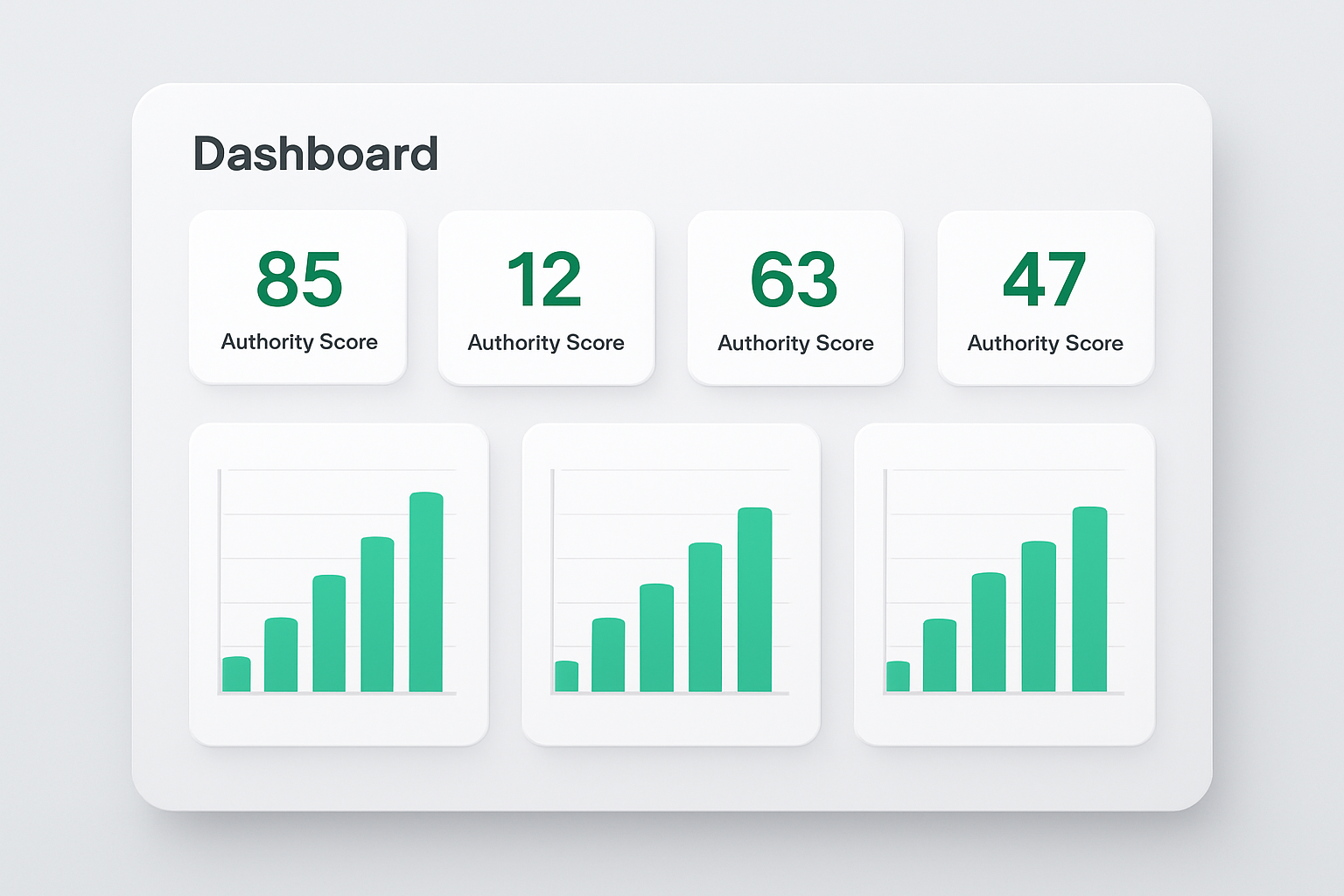
A typical page rank moz dashboard view showing Domain Authority and Page Authority scores across multiple domains. For a deeper walkthrough, see our Page Comparison for SEO: The Complete Guide (2024).
Domain Authority vs. Page Authority: Understanding the Difference
Moz’s two primary metrics serve different analytical purposes:
Domain Authority (DA)
Measures the overall ranking strength of an entire domain or subdomain. It evaluates the total backlink profile of your website — how many sites link to you, how authoritative those sites are, and the diversity of your link sources. DA is most useful for comparing your site’s overall competitive position against other domains in your niche.
Page Authority (PA)
Measures the ranking strength of a single specific page. PA is calculated using the same machine learning model as DA but scoped to the individual URL level. It is particularly valuable when analyzing which of your pages are strongest for link building outreach or when evaluating competitor pages you want to outrank.
Both scores use a logarithmic scale from 1 to 100, which means it is significantly easier to move from a DA of 10 to 20 than it is to move from 60 to 70. This is an important nuance: small score gains at higher levels represent enormous improvements in link equity.
How Moz Calculates Its Ranking Scores
Moz uses a machine learning model trained against Google’s actual search results to generate DA and PA scores. The primary inputs include:
- Linking Root Domains: The number of unique domains sending at least one link to your site. Diversity of linking domains is weighted heavily — 100 links from 100 different domains is far more valuable than 100 links from a single domain.
- Total Backlinks: The raw count of all inbound links, including both followed and no-followed links, though followed links carry more weight.
- MozRank and MozTrust: Internal sub-metrics that evaluate link popularity and the trustworthiness of linking sources respectively.
- Spam Score: A metric that flags potentially toxic links and penalizes sites with high proportions of spammy backlinks.
Because DA is recalculated each time Moz updates its web index — approximately every 30 days — your score can fluctuate even if you have done nothing differently. A drop in DA does not necessarily mean your site has weakened; it may simply reflect that competitors have gained stronger links, shifting the relative scale.
Backlink networks form the foundation of how Moz calculates Domain Authority and Page Authority scores. For a deeper walkthrough, see our Page Loading Speed’s Impact on SEO.
How to Improve Your Page Rank Moz Scores: Step-by-Step
Improving your page rank moz scores is a long-term investment, not an overnight fix. The following steps represent the most reliable and sustainable approach:
For a deeper walkthrough, see our Page Age and SEO: The Real Story.
Audit Your Current Backlink Profile
Open Moz Link Explorer and run a full audit of your domain. Review every inbound link and categorize them by quality. Look specifically at your Spam Score — anything above 30% warrants immediate attention.
Disavow or Remove Toxic Links
Reach out to webmasters of low-quality linking sites and request removal. For links you cannot remove manually, compile a disavow file and submit it through Google Search Console. Cleaning up toxic links directly reduces your Spam Score and can improve DA over subsequent update cycles.
Build High-Authority Backlinks
Focus on earning links from domains with high DA scores in your niche. Effective tactics include original research and data studies, expert roundups, guest posting on reputable publications, digital PR campaigns, and creating genuinely useful tools or resources that others want to reference.
Optimize Internal Linking
Internal links distribute Page Authority across your site. Map your most important pages and ensure they receive internal links from high-PA pages. Use descriptive anchor text and avoid orphaned pages that receive no internal link equity.
Monitor and Track Progress Monthly
Set a monthly reminder to check your DA, PA, and Spam Score. Track the number of linking root domains as your primary growth KPI — this figure is the most direct driver of DA improvement and is less susceptible to short-term noise than the composite score itself.
Common Misconceptions About Moz Scores
Several persistent myths can lead SEOs to misuse or misinterpret page rank moz data:
For a deeper walkthrough, see our Free Page Speed Analyzer.
Myth: A high DA guarantees first-page rankings.
Reality: DA is a predictive metric, not a ranking factor. Google uses hundreds of signals. A page with DA 40 can outrank a DA 80 site if its content better satisfies searcher intent.
Myth: DA directly influences Google’s algorithm.
Reality: Moz DA is entirely independent of Google. Google has explicitly stated that third-party metrics like DA are not used in its ranking systems.
Myth: A sudden DA drop means your site was penalized.
Reality: DA is relative. If many sites in Moz’s index gain strong new links, your score can drop even if your own link profile improved. Always track linking root domains alongside DA.
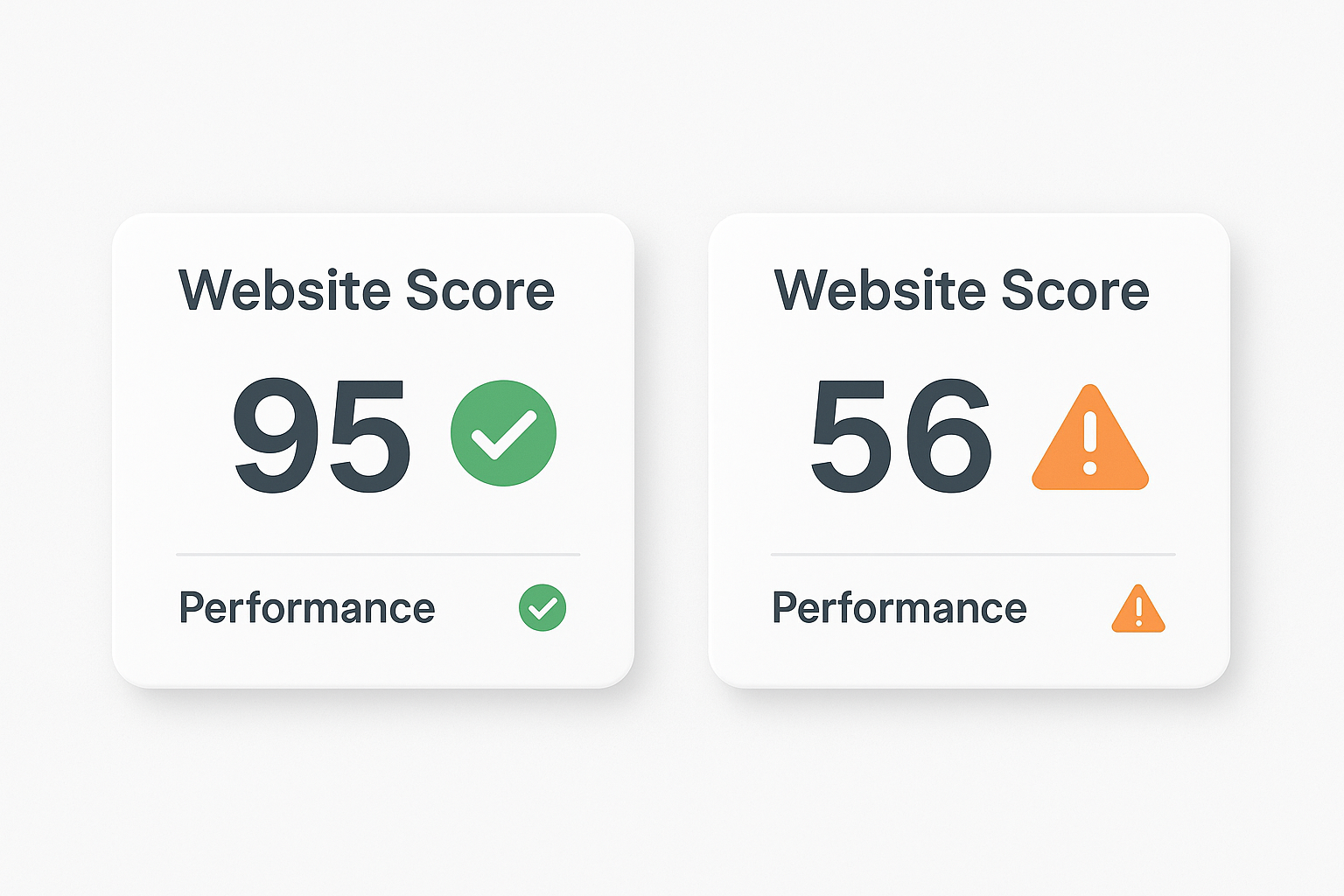
Understanding score ranges helps contextualize page rank moz metrics within your competitive landscape. For a deeper walkthrough, see our Page Category and SEO: Improve Your Site Structure.
Frequently Asked Questions About Page Rank Moz
What is page rank moz and how does it differ from Google PageRank?
Page rank moz refers to Moz’s proprietary scoring system — primarily Domain Authority and Page Authority — that predicts how well a website or individual page will rank in search engines. Unlike Google’s original PageRank algorithm, Moz’s metrics are third-party scores calculated using machine learning and link data from Moz’s own index, not Google’s internal systems. For a deeper walkthrough, see our Page-Level SEO Comparison Service: The Complete Guide.
What is a good Domain Authority score?
Domain Authority scores range from 1 to 100. A score between 40 and 50 is considered average for established sites, 50 to 60 is good, and anything above 60 is considered strong. New websites typically start near 1 and grow as they earn quality backlinks over months and years.
How often does Moz update Domain Authority scores?
Moz updates Domain Authority scores approximately every 30 days when it recrawls and reindexes the web. Changes in your backlink profile — including new links earned or lost links — will be reflected in the next update cycle.
Can I improve my page rank moz score quickly?
Improving your page rank moz score takes consistent effort over time. The most effective strategies include earning high-quality backlinks from authoritative domains, removing toxic links, publishing link-worthy content, and strengthening your site’s technical SEO foundation. For a deeper walkthrough, see our Are One-Click SEO Fixes Actually Effective?.
Tools to Track and Analyze Your Moz Metrics
The primary tool for accessing page rank moz data is Moz Link Explorer, available at moz.com. It provides a free tier with limited monthly searches and a full-featured Moz Pro subscription for deeper analysis. Key features include:
- Domain Overview: Instant DA, PA, and Spam Score for any domain.
- Inbound Link Analysis: Full list of backlinks with individual PA scores for linking pages. For a deeper walkthrough, see our Outbound Link Analysis and SEO Performance.
- Anchor Text Distribution: Breakdown of anchor text used across all inbound links.
- Competitor Comparison: Side-by-side DA and backlink analysis of multiple competing domains. For a deeper walkthrough, see our Page-Level SEO Comparison Service: The Complete Guide.
- MozBar Browser Extension: Overlay DA and PA scores directly in your Google search results for rapid competitive analysis.
For a broader perspective on your overall search authority — combining technical SEO, content quality, and link metrics — Rank Authority offers complementary resources and guides that help contextualize how Moz scores fit within a complete SEO strategy.
For a deeper walkthrough, see our Outbound Link Quality: A Guide.
Putting Page Rank Moz Into Strategic Context
The most effective SEOs treat page rank moz scores not as end goals but as diagnostic instruments. When you are evaluating a potential link building target, comparing competitor domain strength, or prioritizing which pages to promote through outreach, DA and PA give you a fast, standardized frame of reference.
The real goal is always to earn rankings and traffic — and that requires content quality, technical health, and user experience working alongside a strong backlink profile. Use Moz metrics to guide your link acquisition strategy, benchmark your progress against competitors, and identify gaps in your authority relative to the sites outranking you.
Key Takeaways
- Page rank moz encompasses Domain Authority and Page Authority — predictive, logarithmic scores from 1 to 100. For a deeper walkthrough, see our Page Coverage and SEO: A Detailed Guide.
- DA measures your entire domain’s strength; PA measures a single page’s strength. For a deeper walkthrough, see our Page-Level SEO Comparison Service: The Complete Guide.
- Scores are updated approximately monthly and are relative — they shift as the whole web changes.
- Improving DA requires earning diverse, high-quality backlinks and removing toxic ones.
- Use these metrics as competitive benchmarks, not as direct Google ranking signals. For deeper strategic guidance, resources like Rank Authority can help you build a complete, metric-informed SEO plan. For a deeper walkthrough, see our Outbound Linking Strategies for SEO.

