
SEO ranking factors Moz research identifies are among the most cited signals in the industry, helping marketers understand what Google actually rewards when deciding which pages appear at the top of search results. Because Google uses hundreds of signals, Moz’s periodic ranking factor studies distill expert consensus and correlation data into a practical framework that any site owner can act on.
In this guide, you will find a clear breakdown of the factors Moz highlights most, why they matter, and how to apply them — whether you are optimizing an existing site or building a new one from scratch.
What Are SEO Ranking Factors Moz Research Covers?
SEO ranking factors Moz covers are the measurable signals that correlate with higher positions in Google’s search results. Moz conducts its Search Ranking Factors study by surveying hundreds of experienced SEO professionals and cross-referencing their assessments with large-scale ranking correlation data. The result is a prioritized list of signals that, when addressed correctly, tend to move a page upward in the results.
According to search engine optimization research on Wikipedia, ranking algorithms evaluate hundreds of signals simultaneously. Therefore, no single factor dominates in isolation — instead, a combination of link authority, content quality, and technical health determines overall position.
Link Authority: Still the Dominant Signal
Across every edition of Moz’s ranking factors research, link authority consistently ranks as the most influential cluster of signals. Specifically, the number of unique linking root domains pointing to a page — and the quality of those domains — correlates more strongly with top rankings than almost any other factor.
Additionally, anchor text diversity matters. Pages that earn links with varied, descriptive anchor text tend to outperform those with over-optimized, keyword-stuffed anchors. As a result, a natural link profile built through genuinely useful content remains the most reliable long-term strategy.
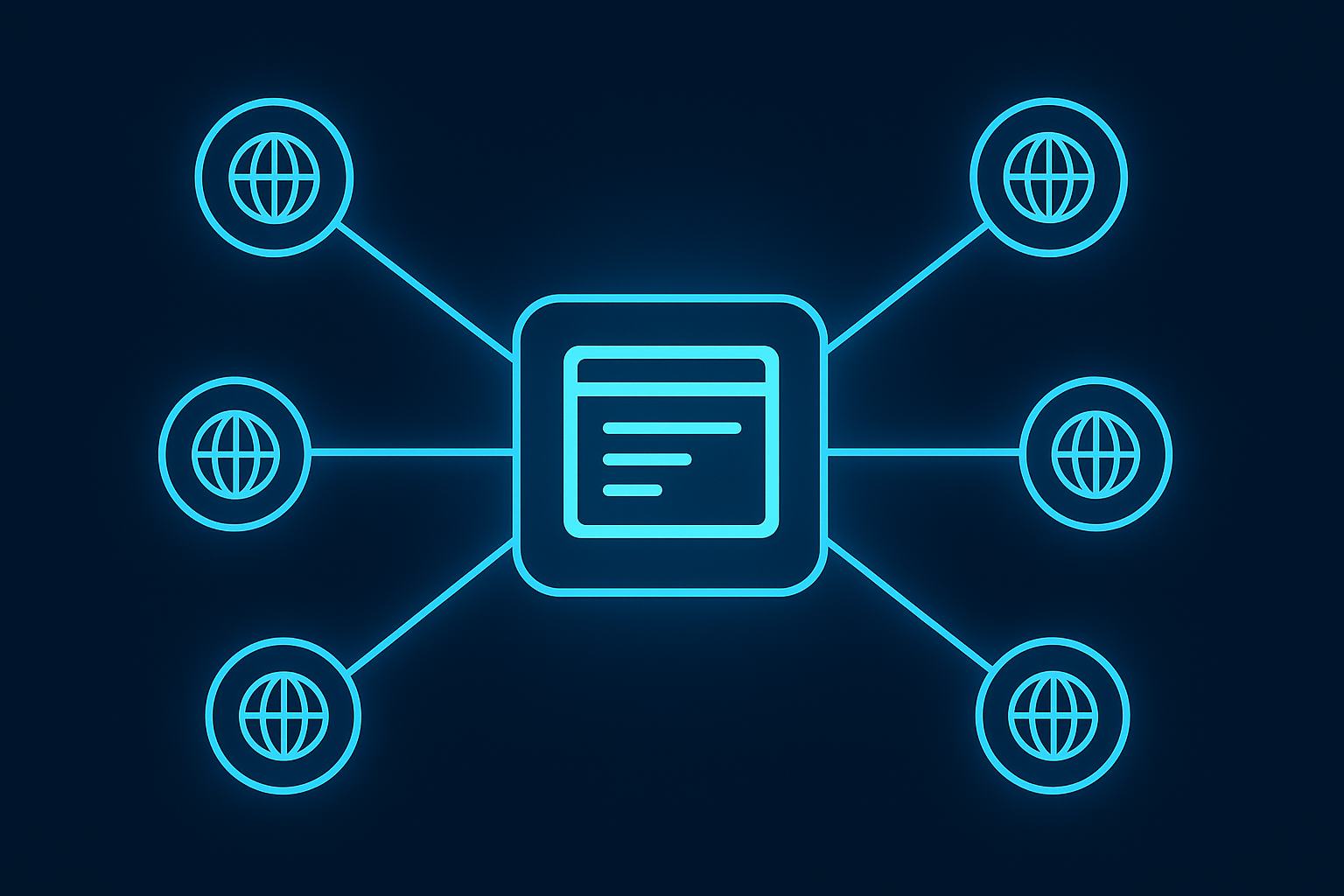
Link authority — the flow of ranking power from one site to another — remains the single strongest SEO ranking factor in Moz’s research.
Domain Authority and Page Authority Explained
Moz introduced two proprietary metrics to help practitioners estimate ranking potential: Domain Authority (DA) and Page Authority (PA). Both are scored from 1 to 100 using a logarithmic scale, meaning it becomes progressively harder to improve as the score rises.
Domain Authority measures the overall ranking strength of an entire domain, while Page Authority measures the strength of a single URL. Although Google does not use these scores directly, the underlying signals — primarily backlink quality and quantity — do influence real rankings. In practice, improving your DA by earning links from reputable sources will also improve your actual search visibility.
Direct Answer: SEO ranking factors Moz research identifies fall into three broad categories: link authority signals (backlinks, DA, anchor text), on-page relevance signals (title tags, content depth, keyword usage), and technical signals (page speed, mobile-friendliness, Core Web Vitals). Addressing all three categories together produces the strongest ranking gains.
On-Page Signals That Drive Relevance
On-page optimization is the second major pillar in Moz’s ranking factor framework. These are signals you control directly on your own pages, which makes them the fastest levers to pull when you need to improve rankings quickly.
The most impactful on-page factors Moz highlights include:
- Title tag optimization: The page title is one of the strongest on-page relevance signals. Including your primary keyword near the beginning of the title tag consistently correlates with higher rankings.
- Heading structure (H1, H2, H3): Well-structured headings help Google understand content hierarchy and topic coverage. However, keyword stuffing headings can backfire.
- Content depth and topical coverage: Pages that cover a topic comprehensively — answering related questions and addressing subtopics — tend to earn higher rankings and more backlinks over time.
- Meta descriptions: Although meta descriptions are not a direct ranking factor, they influence click-through rates, which indirectly affect rankings.
- Internal linking: Strategic internal links distribute page authority across your site and help Google discover and index content more efficiently.
For a deeper look at applying these principles to your own site, RankAuthority provides practical SEO guidance aligned with current ranking research.
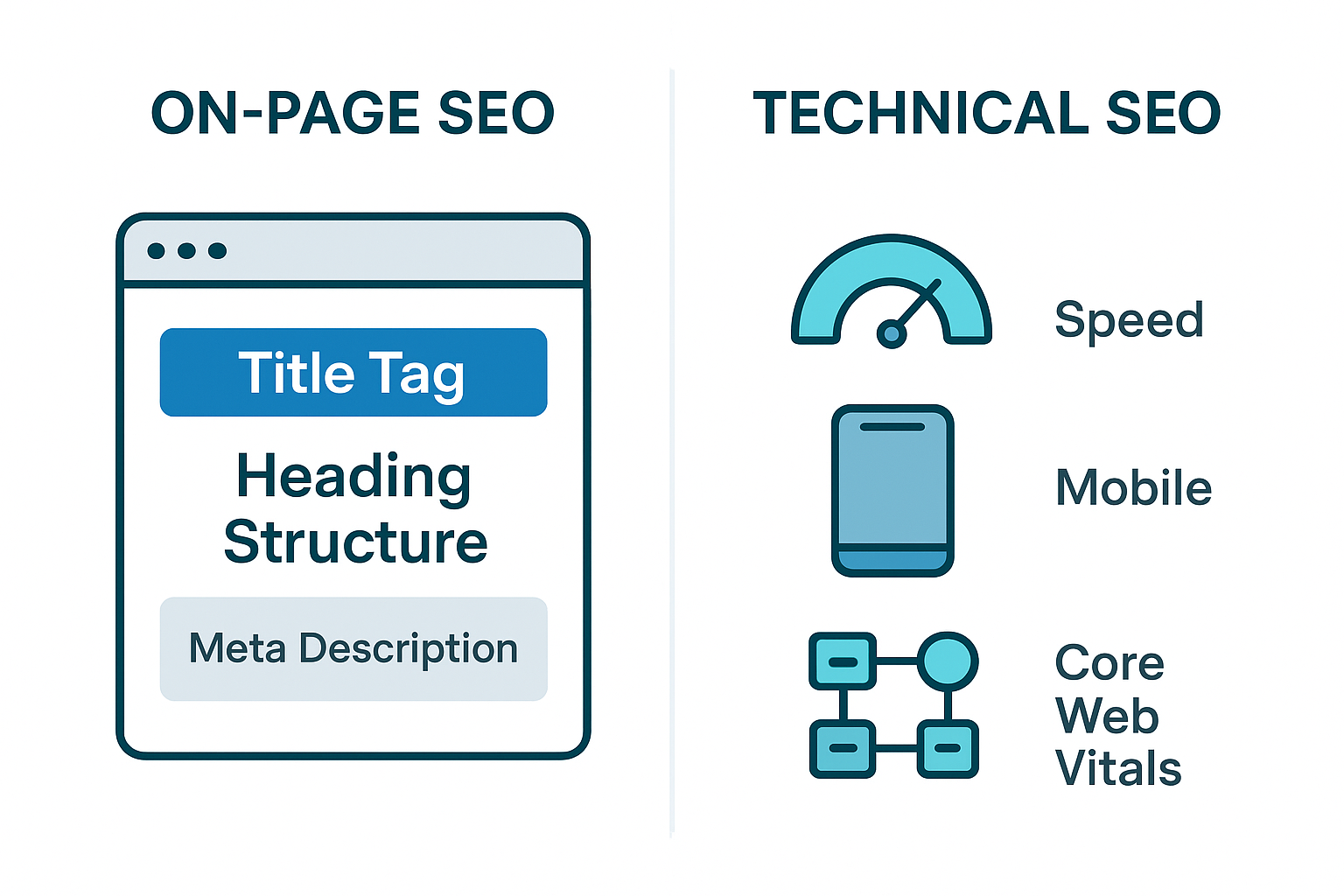
On-page and technical signals work together — optimizing both gives your content the best chance of ranking well in competitive search results.
Technical SEO: The Foundation Beneath Everything
Technical SEO factors have grown in importance as Google has refined its ability to measure user experience. Moz’s research reflects this shift, placing technical signals — particularly page speed and mobile-friendliness — among the top-tier ranking considerations.
Google’s Core Web Vitals are now a confirmed part of its ranking algorithm. These three metrics measure real-world user experience:
- Largest Contentful Paint (LCP): Measures how quickly the main content of a page loads. A good LCP score is under 2.5 seconds.
- Interaction to Next Paint (INP): Measures how responsive a page is to user interactions. Lower is better.
- Cumulative Layout Shift (CLS): Measures visual stability. Pages where elements shift unexpectedly as they load score poorly.
Furthermore, since Google switched to mobile-first indexing, a site that performs poorly on smartphones will struggle to rank regardless of how well it performs on desktop. Therefore, testing your site with Google’s PageSpeed Insights and addressing any flagged issues is a high-priority technical task.
Content Quality and User Engagement Signals
Beyond links and technical health, Moz’s research increasingly emphasizes content quality as a differentiating factor. Google’s machine learning systems — including systems like RankBrain and the Helpful Content Update — reward pages that genuinely satisfy search intent over pages that simply match keywords.
In practice, this means writing for your reader first and for search engines second. Content that answers questions clearly, uses natural language, and covers a topic thoroughly tends to generate longer dwell times and lower bounce rates — both of which are indirect signals that Google may use to validate rankings.
Additionally, you can explore RankAuthority’s resources for content optimization strategies that align directly with what Moz’s research identifies as high-impact signals.
How to Prioritize These Factors for Your Site
Not every site needs to fix everything at once. Instead, a practical prioritization framework helps you focus effort where it produces the greatest return. Here is a recommended order of operations based on Moz’s findings:
- Fix critical technical issues first. Crawl errors, broken links, duplicate content, and slow page speed all undermine every other optimization effort. Resolve these before building links or creating new content.
- Optimize your highest-traffic on-page elements. Update title tags, add structured headings, and improve content depth on your most visited pages. These changes can produce ranking improvements within weeks.
- Build a consistent link acquisition strategy. Earning links from authoritative, relevant domains is a long-term effort. Focus on creating link-worthy content — original research, comprehensive guides, and unique data — rather than chasing low-quality directories.
- Monitor and iterate. Use Moz’s tools alongside Google Search Console to track ranking changes, identify new opportunities, and catch technical regressions before they compound.
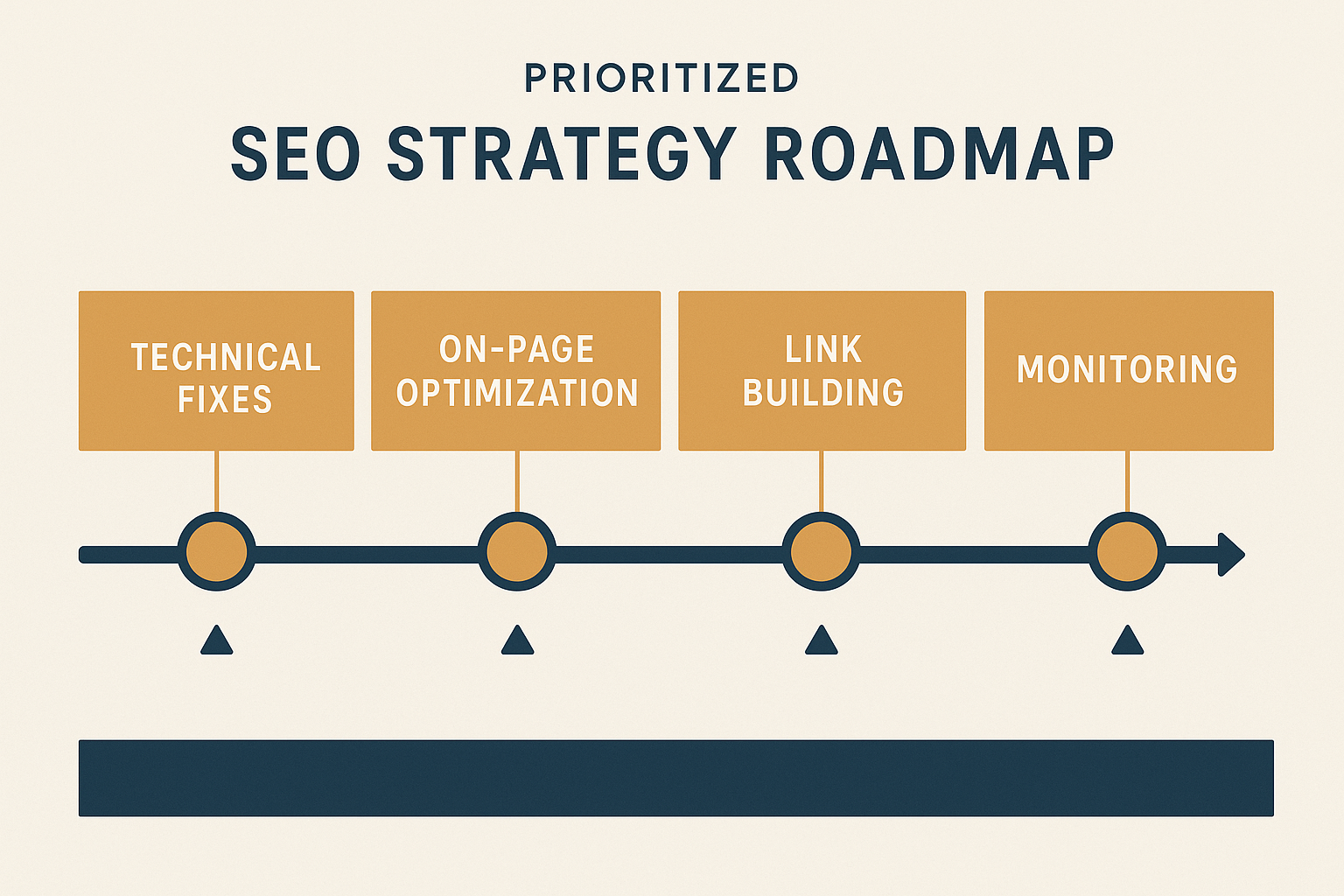
A structured four-stage approach helps you apply Moz’s SEO ranking factor research in the right order for maximum impact.
Common Mistakes That Undermine Rankings
Even experienced SEOs make avoidable mistakes that directly contradict what Moz’s research recommends. For example, thin content — pages with fewer than 300 words and little topical depth — consistently underperforms in competitive niches. Similarly, duplicate title tags across multiple pages confuse Google about which URL to rank for a given query.
Another frequent error is neglecting internal linking. Because internal links distribute page authority throughout your site, failing to link from high-authority pages to lower-ranking ones leaves valuable ranking potential untapped. Finally, chasing low-quality backlinks from irrelevant or spammy domains can actively harm your rankings through Google’s spam detection systems.
Conclusion: Applying Moz’s SEO Ranking Factors Research
The SEO ranking factors Moz research surfaces are not abstract concepts — they are actionable signals you can measure and improve today. By focusing on link authority, on-page relevance, technical health, and content quality in that order, you build a compounding advantage that grows over time as each layer reinforces the others.
Remember that Google’s algorithm evolves continuously, so staying current with Moz’s periodic updates and cross-referencing with Google’s own documentation ensures your strategy remains aligned with what actually moves rankings. In the long run, the sites that win are those that consistently deliver the best experience for their users — which is precisely what both Moz and Google reward.
Frequently Asked Questions About SEO Ranking Factors Moz
What are the most important SEO ranking factors according to Moz?
According to Moz research, the most important factors are link authority, on-page content relevance, domain authority, keyword usage, and technical signals like speed and mobile-friendliness. These signals collectively determine how Google evaluates and ranks a page. Addressing all of them together produces the strongest results.
What is Moz Domain Authority and does it affect Google rankings?
Moz Domain Authority (DA) is a proprietary score from 1 to 100 that predicts how well a domain will rank. Google does not use DA directly, but the underlying factors that raise DA — such as quality backlinks — do influence real Google rankings.
How does Moz measure link authority for ranking purposes?
Moz measures link authority through Page Authority (PA) and Domain Authority (DA), calculated using a machine-learning model trained on thousands of search results. The model weighs linking root domains, link quality, and anchor text diversity.
Is on-page SEO still a top ranking factor in Moz’s research?
Yes, on-page SEO remains one of the top ranking factors identified in Moz studies. Keyword placement in the title tag, H1, meta description, and body content all contribute significantly to relevance signals that Google uses to rank pages.
How important is page speed as an SEO ranking factor?
Page speed is a confirmed Google ranking factor and is consistently highlighted in Moz’s research. Faster pages improve both user experience and crawlability, which together support higher rankings, especially on mobile devices.
Does Moz’s research cover Google’s Core Web Vitals?
Yes, Moz acknowledges Core Web Vitals as part of the broader page experience signals Google uses. These include Largest Contentful Paint (LCP), Interaction to Next Paint (INP), and Cumulative Layout Shift (CLS). All three are now confirmed Google ranking signals.
What role does content length play in SEO rankings according to Moz?
Moz research indicates that longer, more comprehensive content tends to rank better because it covers topics in greater depth and attracts more backlinks. However, content quality and relevance matter more than length alone.
How does anchor text affect SEO ranking factors?
Anchor text signals the topic of the linked page to search engines. Descriptive, keyword-relevant anchor text from authoritative sources can boost rankings, while over-optimized or spammy anchor text can trigger penalties. Natural diversity is the safest approach.
What is the difference between Page Authority and Domain Authority in Moz?
Page Authority (PA) measures the ranking strength of a single URL, while Domain Authority (DA) measures the overall strength of an entire domain. Both are scored from 1 to 100 and both correlate with actual Google ranking performance.
Can social signals improve SEO rankings according to Moz?
Moz research suggests social signals have an indirect relationship with rankings. Google does not use social shares as a direct ranking signal, but content that gains social traction tends to earn more backlinks, which do directly influence rankings.
How often does Moz update its ranking factors research?
Moz publishes its Search Ranking Factors study periodically, typically every one to two years. Each edition surveys hundreds of SEO experts and correlates ranking data to identify which signals matter most at that point in time.
Does mobile-friendliness appear in Moz’s top SEO ranking factors?
Yes, mobile-friendliness is a prominent factor in Moz’s ranking research. Since Google switched to mobile-first indexing, a site that performs poorly on mobile devices will struggle to rank well regardless of its desktop experience.
What common SEO mistakes hurt rankings the most according to Moz?
Common mistakes highlighted in Moz research include thin or duplicate content, poor internal linking, missing or duplicate title tags, slow page speed, and low-quality backlink profiles. Fixing these issues often produces measurable ranking improvements within weeks.

