
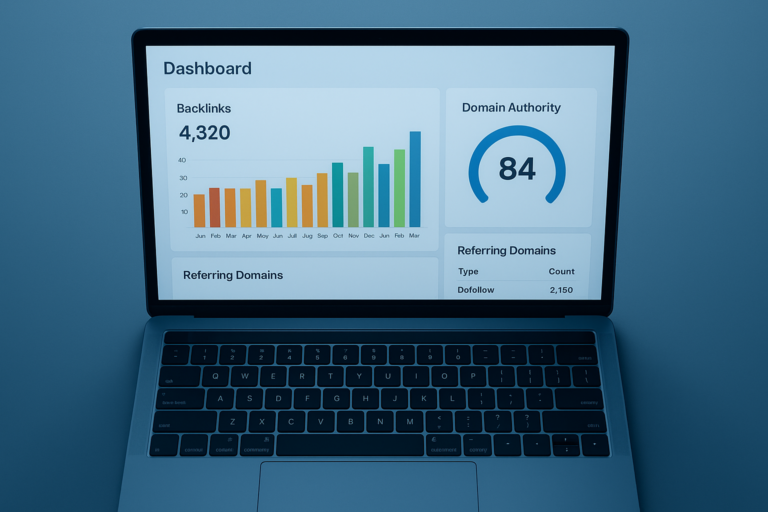
A backlink checker is an SEO tool that identifies, catalogues, and analyzes every external website that links to a target domain or specific URL. Because search engines like Google treat backlinks as endorsements of credibility, understanding your link profile is one of the most impactful steps you can take to improve organic rankings.
In practice, a backlink checker gives you a detailed map of who is linking to you, how authoritative those sources are, and whether any harmful links could be dragging your site down. Additionally, most tools let you analyze competitor link profiles, revealing opportunities you can target in your own outreach campaigns.
How Backlinks Influence Search Rankings
According to Google’s original PageRank algorithm, a link from one website to another functions like a vote of trust. The more high-quality votes your pages accumulate, the more authority search engines assign to your domain. Therefore, building and monitoring backlinks is central to any serious SEO strategy.
However, not every link carries the same weight. A single link from a highly authoritative news site can be worth far more than dozens of links from low-quality directories. As a result, it is not just the quantity of backlinks that matters — quality and relevance are equally critical factors.
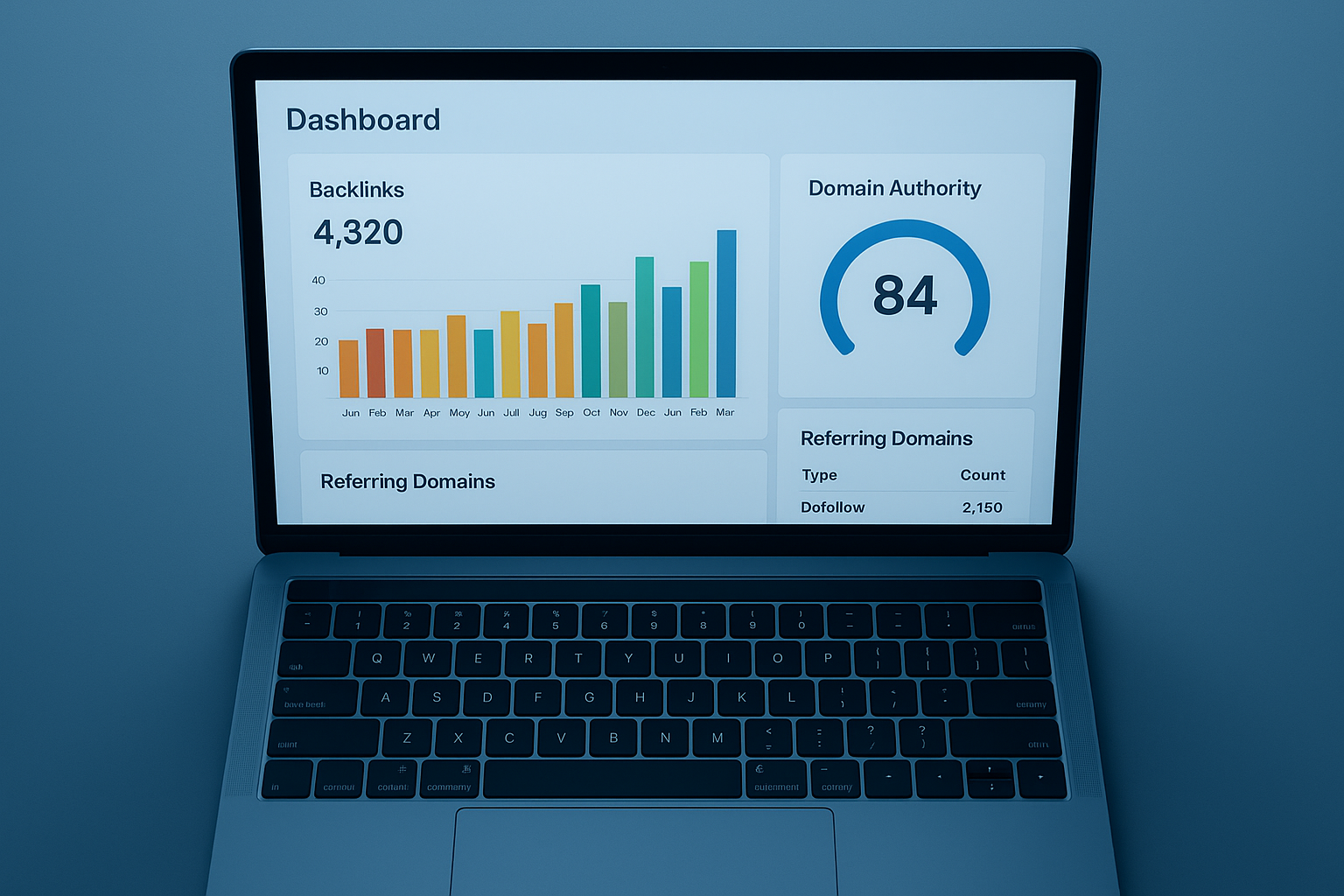
A backlink checker dashboard gives you instant visibility into your domain’s link health and authority signals. For a deeper walkthrough, see our Backlink Authority Checker: The Complete 2024 Guide.
What Is Backlink Checker — Key Metrics Explained
When you run a backlink checker report, you will encounter several core metrics. Understanding each one helps you interpret the data accurately and prioritize your SEO actions.
Domain Authority / Domain Rating
A score (typically 0–100) estimating the overall strength of a linking domain. Higher scores indicate more powerful endorsements.
Referring Domains
The number of unique websites linking to your domain. This metric is often more meaningful than raw link count because multiple links from the same site carry diminishing returns.
Anchor Text
The visible, clickable text of a hyperlink. A natural mix of branded, generic, and keyword-rich anchor text signals a healthy, unmanipulated link profile.
Dofollow vs. Nofollow
Dofollow links pass link equity (authority) to your site. Nofollow links include an attribute that tells search engines not to pass authority, though they can still generate referral traffic.
Spam Score / Toxicity Rating
An indicator of how risky a linking domain is. High spam scores suggest the link could harm rather than help your rankings.
Five Reasons Every Site Owner Needs One
Whether you run a small blog or a large e-commerce store, a backlink checker delivers actionable intelligence across multiple SEO tasks. Here are the most compelling reasons to use one regularly.
- Link Auditing: Identify and disavow toxic or spammy links before they trigger a Google penalty. Regular audits keep your profile clean and penalty-free.
- Competitor Research: Analyze which sites link to your competitors and use that data to find outreach prospects for your own link-building campaigns.
- Content Gap Discovery: Find out which of your pages attract the most links, then create similar high-value content to replicate that success.
- Tracking Link Building Progress: Monitor newly acquired links and lost links over time so you can measure the ROI of your outreach efforts.
- Anchor Text Optimization: Ensure your anchor text distribution looks natural, avoiding over-optimization that can trigger algorithmic filters.
Popular Backlink Checker Tools Compared
Several platforms offer robust backlink analysis, each with distinct strengths. Choosing the right one depends on your budget, technical needs, and whether you want a standalone tool or a full SEO suite.
| Tool | Link Index Size | Free Tier | Best For |
|---|---|---|---|
| Ahrefs | Very Large | Limited | In-depth link analysis |
| SEMrush | Large | Limited | All-in-one SEO suite |
| Moz Link Explorer | Medium | Yes | Beginners and SMBs |
| Google Search Console | Google’s own data | Free | Basic link monitoring |
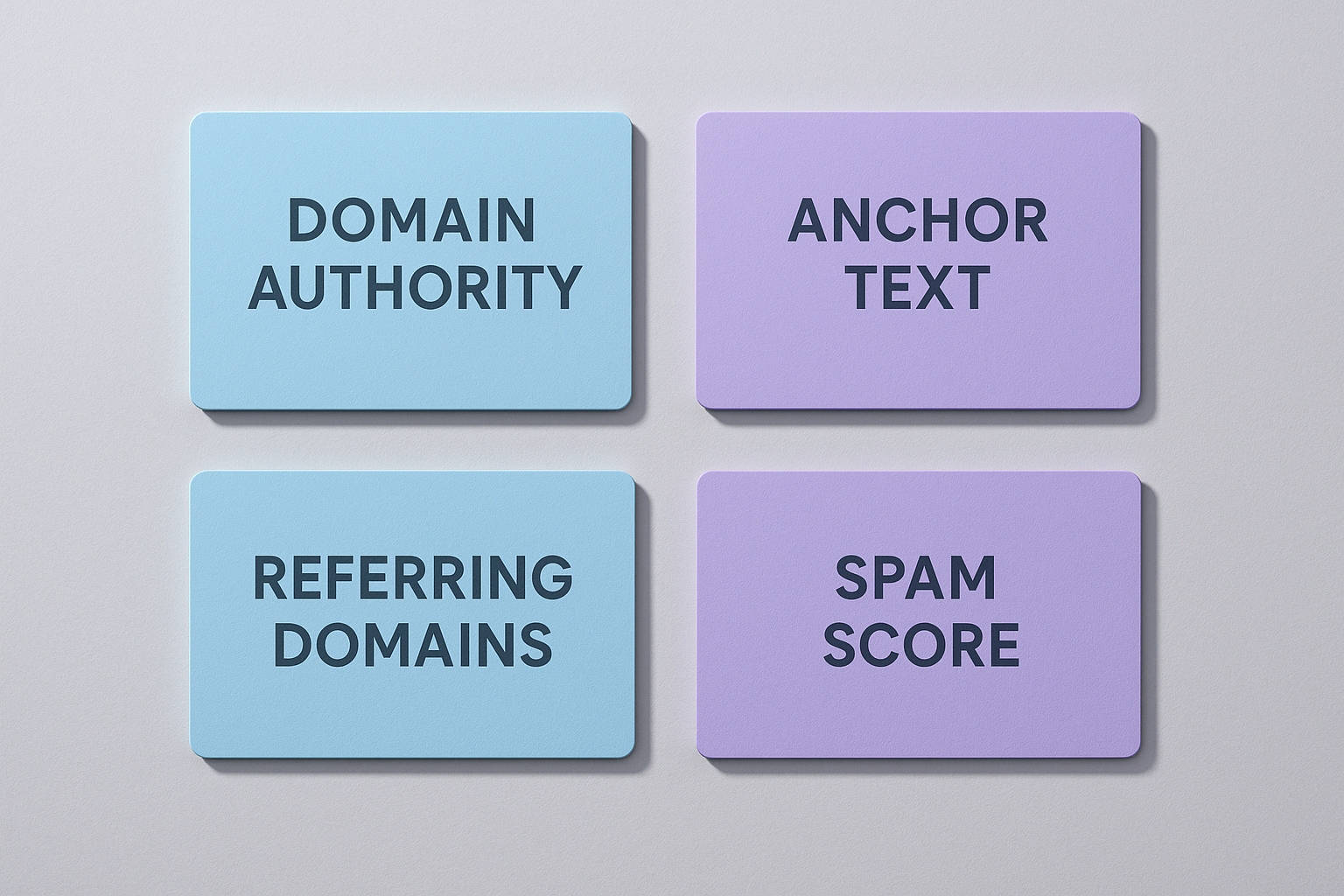
Understanding core metrics like domain authority and anchor text is essential for effective backlink analysis.
How to Run a Backlink Audit Step by Step
Running a structured backlink audit ensures you catch both opportunities and threats in your link profile. Follow these steps to complete a thorough review.
Start by entering your full domain URL into your chosen backlink checker. Export the full list of backlinks for offline analysis if needed.
Sort your backlinks by domain authority or domain rating. This quickly separates high-value links from low-quality ones, allowing you to focus your attention where it matters most.
Flag any links with high spam scores, irrelevant anchor text, or origins from penalized domains. These are candidates for disavowal through Google Search Console.
Review the breakdown of anchor text types. A healthy profile should include branded anchors, generic phrases, and a smaller proportion of exact-match keyword anchors.
Finally, run the same report on your top competitors. Compare referring domain counts and authority scores to identify the gap you need to close and the outreach targets you should prioritize.
Common Mistakes When Using Backlink Analysis Tools
Even experienced SEOs make avoidable errors when interpreting backlink data. Being aware of these pitfalls will help you make smarter decisions from your reports.
Focusing on quantity over quality is perhaps the most common mistake. A site with 50 links from authoritative, relevant domains will typically outperform one with 5,000 links from low-quality sources. Therefore, always prioritize the caliber of linking domains.
Ignoring lost links is another frequent oversight. When a high-authority site removes a link to your page, your rankings can drop. Most backlink checkers track lost links, so reviewing this section regularly helps you reclaim valuable links through outreach.
Over-disavowing links can also backfire. Disavowing too aggressively — including legitimate editorial links — can strip away earned authority. In contrast, only disavow links you are confident are manipulative or harmful. For expert guidance on link strategy, resources like RankAuthority provide practical, up-to-date SEO advice.
Turning Backlink Data Into a Link-Building Strategy
The real power of a backlink checker extends beyond auditing — it fuels proactive link acquisition. Once you identify which domains link to your competitors but not to you, you have a ready-made outreach list of sites that are already open to linking within your niche.
Additionally, by studying which content formats attract the most backlinks in your industry — such as original research, comprehensive guides, or free tools — you can replicate those formats to earn links more efficiently. This data-driven approach removes guesswork from content planning and link building alike.
For further reading on building a solid link profile, RankAuthority offers in-depth resources on SEO strategy and authority building that complement any backlink checker workflow.

Mapping out a link-building strategy based on backlink checker data leads to more targeted and effective outreach.
Conclusion: Making Backlink Checkers Work for You
Understanding what is backlink checker — and using one consistently — is a non-negotiable part of modern SEO. These tools reveal the health of your link profile, expose competitor strategies, and surface actionable opportunities that directly influence your search rankings. Whether you are running a quarterly audit, cleaning up toxic links, or planning your next outreach campaign, a backlink checker provides the data you need to make confident, informed decisions.
Start with a free tool to get familiar with the core metrics, then invest in a paid platform as your SEO strategy matures. The insight you gain will compound over time, making every link you build more strategic and every audit more productive.
Quick Answer: A backlink checker is a software tool that scans the web to find all external links pointing to a domain, then presents metrics like domain authority, anchor text, and spam scores. It helps SEOs monitor link health, find competitor link sources, and build smarter link acquisition strategies.

