

Complete Guide · 2025 Edition
Everything you need to know about choosing, using, and maximizing an AI-powered content system for sustainable organic growth.
An AI content creation platform is a software system that uses artificial intelligence — specifically large language models (LLMs) and natural language processing (NLP) — to help marketers, writers, and businesses generate, optimize, and distribute content at scale. As organic search becomes more competitive and content volume demands increase, these platforms have moved from novelty to necessity for teams serious about digital visibility.
Direct Answer
An AI content creation platform automates and enhances the content production process using machine learning models. It can draft articles, suggest keywords, optimize for search intent, and maintain brand consistency — dramatically reducing the time and cost of producing high-quality content at volume.
What Is an AI Content Creation Platform?
At its core, an AI content creation platform combines several technologies to streamline the entire content lifecycle — from ideation to publication. Unlike standalone grammar checkers or basic paraphrasing tools, a true platform integrates keyword research, competitive analysis, structured content generation, and performance analytics into a single unified environment.
The underlying technology typically draws on transformer-based language models — the same architecture described in foundational natural language processing research — trained on vast corpora of text to understand context, tone, and intent at a level that earlier rule-based systems simply could not achieve.
For content teams, this translates into practical capabilities: generating a first draft in seconds, adapting content for different audiences or formats, identifying gaps in topical coverage, and ensuring every piece aligns with current search engine expectations.

A modern AI content creation platform surfaces intelligent suggestions directly within the writing workflow.
How These Platforms Actually Work
Most enterprise-grade AI content platforms operate through a layered pipeline. A user inputs a target keyword, topic brief, or content goal. The platform’s AI engine then queries its training data and, in many cases, performs live web analysis to understand what is currently ranking, what questions users are asking, and what structural patterns successful content follows.
The output is rarely a finished article. Instead, the best platforms produce structured drafts — complete with heading suggestions, semantic keyword recommendations, and internal linking opportunities — that a human editor refines into a polished, publishable piece. This human-in-the-loop model is what separates effective AI content workflows from low-quality content farms.
The Role of Supplementary Content
One often-overlooked dimension of any content strategy is how supplementary material supports your primary pages. Understanding supplementary content and its role in page quality is essential when deploying AI-generated content at scale — because search engines evaluate the entire page experience, not just the main body text. AI platforms that generate only the headline article without considering navigation, related links, and supporting elements miss a critical piece of the quality puzzle.
Strengths
- Speed of content production
- Consistent keyword integration
- Scalable across hundreds of topics
- Data-driven structural guidance
- Reduced per-word cost
Limitations
- Risk of generic, thin output
- Requires human editorial review
- May lack original research
- Brand voice needs calibration
- Factual accuracy must be verified
Key Features to Evaluate in Any AI Content Creation Platform
Not all platforms are created equal. When assessing options, these are the capabilities that separate genuinely useful tools from superficially impressive demos:
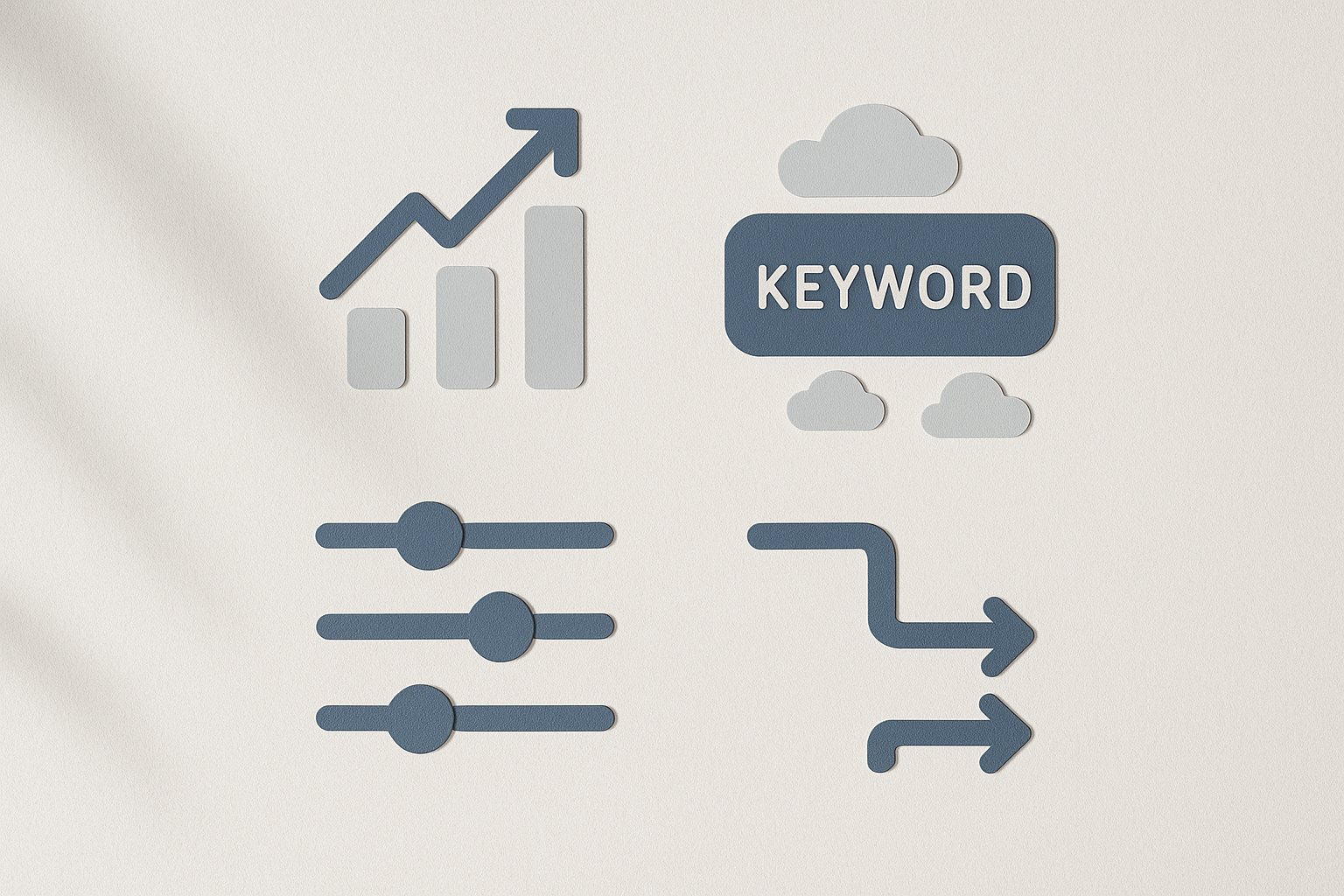
Evaluating the right features ensures your chosen platform delivers lasting content ROI.
Natural Language Quality
The output must read naturally, maintain logical flow, and avoid the repetitive sentence structures that signal AI-generated text to both readers and search algorithms. Test with a real brief before committing.
SEO and Semantic Optimization
Look for built-in SERP analysis, NLP-based keyword suggestions, and content scoring against top-ranking competitors. The platform should guide you toward topical completeness, not just keyword density.
Workflow and CMS Integration
The best platforms connect directly with WordPress, HubSpot, or your headless CMS, eliminating the copy-paste bottleneck that slows publishing pipelines and introduces formatting errors.
Brand Voice Customization
Platforms that allow you to train the AI on your existing content — or define tone, vocabulary, and formatting rules — will produce outputs that sound like your brand rather than a generic assistant.
Performance Analytics
Closed-loop analytics — tracking which AI-assisted pieces rank, drive traffic, and convert — allow you to refine your prompting and briefing process over time, compounding your content ROI.
Does AI-Generated Content Actually Rank?
This is the question every marketer asks before investing in an AI content creation platform. The honest answer is: it depends entirely on quality and intent. Google’s publicly stated position is that it rewards helpful, reliable, people-first content regardless of how it was produced. The risk is not in using AI — it is in using AI without editorial judgment.
Understanding why content usefulness is the defining ranking factor is critical before deploying any AI tool at scale. Content that answers a real question, demonstrates genuine expertise, and provides a better experience than competing pages will rank — whether a human or an AI drafted the first version.
The practical implication: use your AI content creation platform to handle the structural and research-heavy lifting, then invest your human editorial time in adding original insights, first-hand experience, and the kind of authoritative perspective that no language model can fabricate.
Frequently Asked Questions

The most effective content strategies combine human editorial judgment with AI-powered efficiency.
Building a Sustainable AI Content Strategy
The organizations seeing the strongest results from AI content tools are not those using them to produce the highest volume of articles. They are the teams that have built disciplined workflows: a clear brief template, a consistent review process, and defined quality thresholds that every piece must meet before publication.
Start by identifying your highest-value content opportunities — the keyword clusters where you have topical authority but insufficient coverage. Use your AI content creation platform to accelerate production across those clusters, then measure ranking velocity and engagement metrics to validate your approach before scaling further.
Treat the AI as a first-draft engine and a research accelerator, not a finished-product generator. The editorial layer — fact-checking, adding proprietary data, refining the narrative — is where your content earns the trust signals that drive lasting rankings.
Conclusion
Choosing the right AI content creation platform is one of the highest-leverage decisions a content team can make in 2025. When deployed thoughtfully — with strong editorial oversight, a commitment to genuine usefulness, and a clear measurement framework — these platforms can compound your organic growth in ways that manual production simply cannot match.
The technology will continue to evolve rapidly. The teams that invest now in building disciplined AI content workflows will hold a durable competitive advantage as that evolution accelerates. For deeper guidance on building content that earns authority, explore the resources at Rank Authority.