
SEO Moz Page Authority is a metric developed by Moz that predicts how likely a specific web page is to rank in search engine results pages (SERPs). Because it directly reflects the link-based strength of individual URLs, understanding this score is essential for any serious SEO strategy. Last updated: 2026-07-02. By RankAuthority editorial team. Include a visible author byline and short credentials near the top to improve E‑E‑A‑T.
The score runs on a logarithmic scale from 1 to 100, meaning it becomes progressively harder to move from 60 to 70 than from 20 to 30. Therefore, even small gains at higher score ranges represent significant improvements in your page’s competitive standing.
What Does SEO Moz Page Authority Actually Measure?
SEO Moz Page Authority is calculated using a machine learning model that analyzes dozens of link-based signals. Specifically, Moz’s algorithm evaluates the number of unique root domains linking to a page, the authority of those linking pages, and the overall quality of the backlink profile. Read more about How Moz calculates PA for a technical breakdown.
However, it does not measure on-page content quality, keyword usage, or technical SEO factors directly. Instead, it focuses almost entirely on link equity — the collective value passed through inbound and internal links pointing to a given URL.
According to Wikipedia’s explanation of PageRank, the concept of assigning authority to pages based on inbound links dates back to Google’s original algorithm. Moz built Page Authority as a third-party approximation of this same underlying principle.
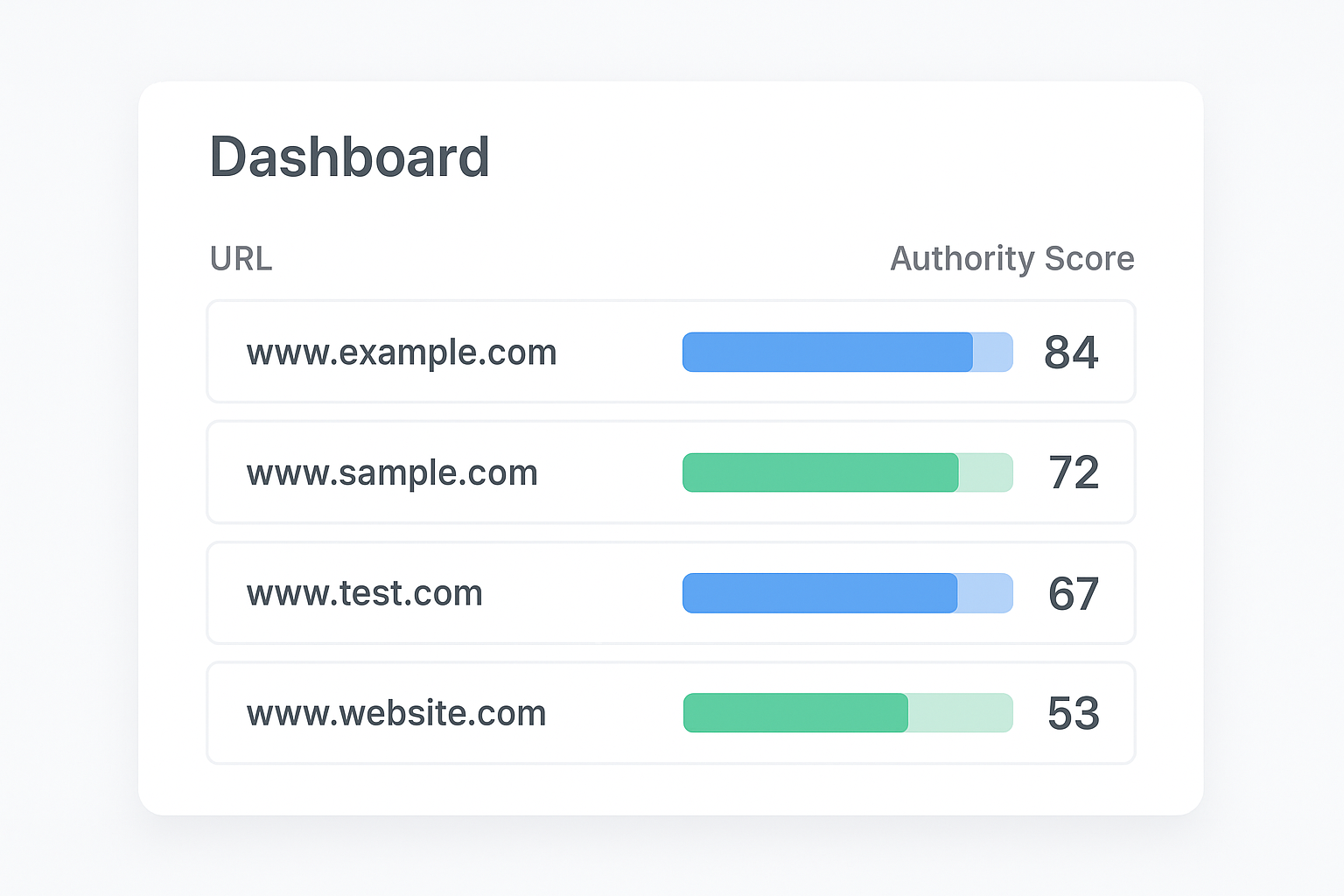
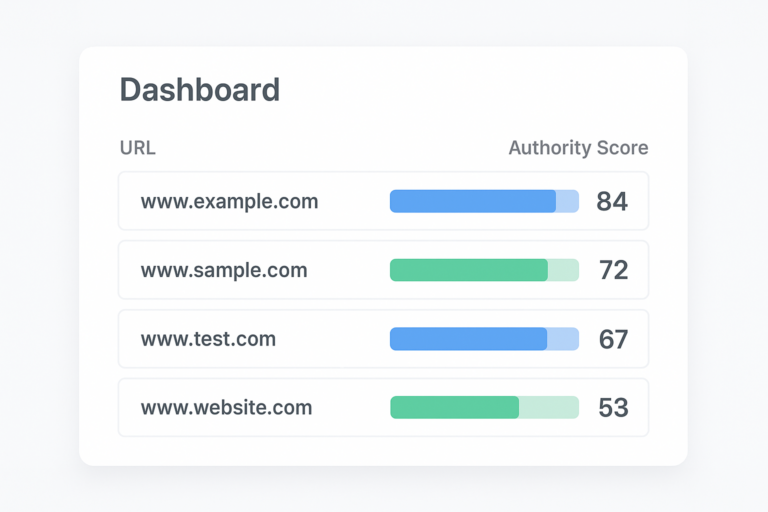
A Page Authority dashboard helps you compare the ranking strength of individual URLs across your site.
Page Authority vs. Domain Authority: Key Differences
Many SEO practitioners confuse Page Authority with Domain Moz Rank, yet the two metrics serve distinct purposes. Page Authority evaluates a single URL, while Domain Authority measures the overall strength of an entire domain or subdomain.
For example, a high-authority website might have a Domain Authority of 75, but a specific blog post on that site could have a Page Authority of only 32 if few external links point directly to that URL. As a result, both metrics deserve attention in a well-rounded SEO audit.
In practice, use Page Authority when evaluating individual landing pages or blog posts you want to rank for specific keywords. Use Domain Authority when assessing the overall competitive strength of a website relative to its niche.
What Score Should You Be Aiming For?
A Page Authority score above 40 is generally considered competitive for most niches. Scores above 60 reflect pages with robust backlink profiles and strong topical relevance signals through their link context. For broader site context, see our Domain Authority guide.
Because the scale is relative, however, the most useful benchmark is not an absolute number — it is your competitors’ scores. If your target keyword’s top-ranking pages average a Page Authority of 45, then reaching 50 gives you a meaningful advantage.
Quick Answer: SEO Moz Page Authority is a 1–100 logarithmic score predicting how well a single page will rank in search results. It is primarily driven by backlink quality and quantity. Improving it requires earning high-quality inbound links and optimizing your internal link structure. Learn more about how Moz calculates Page Authority in our technical explainer.
Five Proven Ways to Improve Your Score
Raising your Page Authority takes consistent effort across several link-building and site-structure disciplines, including regular audits to check your backlink profile. Below are the most effective approaches used by experienced SEO professionals.
- Earn links from high-authority referring domains. A single backlink from a page with a PA of 70 carries far more weight than ten links from pages with PA scores below 20. Therefore, prioritize quality outreach over volume. Learn more about related Moz metrics in What is MozRank.
- Publish link-worthy content formats. Original research, comprehensive guides, and data-driven infographics naturally attract editorial backlinks. Additionally, these formats generate social shares that can lead to further linking opportunities. See our piece on Moz Rank explained to better measure linking value.
- Optimize your internal linking structure. Strategically linking from your highest-PA pages to important target pages distributes link equity and can meaningfully raise those pages’ scores over time. For domain-level context, read Moz Domain Ranking and how DA differs from PA.
- Reclaim lost or broken backlinks (see our Broken Links Test). Use Moz Link Explorer to identify links that once pointed to your page but are now broken. Reaching out to the linking site to restore those links is one of the fastest ways to recover lost authority.
- Disavow toxic links. Low-quality or spammy links can drag your score down. Meanwhile, using Google’s Disavow Tool removes their negative influence and lets your legitimate links carry full weight.
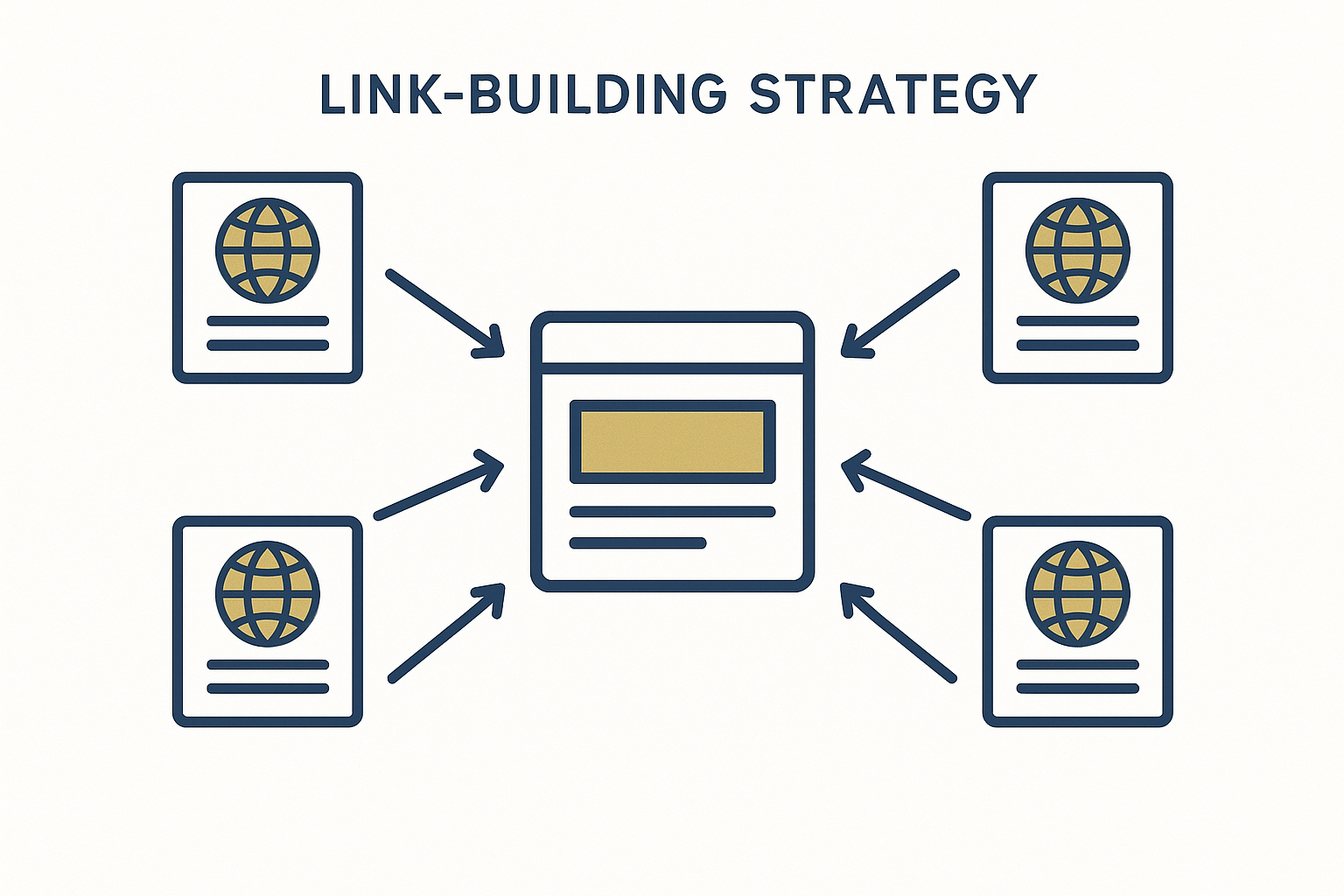
A structured link-building strategy is the most reliable path to raising your Page Authority over time. Moz Rank guide
Common Mistakes That Hurt Your Ranking Potential
Many site owners inadvertently harm their Page Authority through avoidable errors. First, building large numbers of low-quality directory or forum links can dilute your profile rather than strengthen it. Although these links were once effective, Moz’s algorithm now weights them very lightly.
Another common mistake is neglecting internal links entirely. Pages that sit as isolated islands within your site receive little equity from your stronger pages, even if your overall domain has a healthy backlink profile. Consequently, a deliberate internal linking strategy is just as important as external outreach. Also see What is MozRank for related Moz metrics context.
Finally, some SEOs treat Page Authority as a direct Google ranking signal and optimize for it in isolation. In contrast, the most effective approach treats it as one diagnostic indicator among many, used alongside keyword research, technical audits, and content quality assessments. Resources like RankAuthority can help you contextualize these metrics within a broader SEO framework.
How to Track Progress Without Getting Distracted
Because Moz updates Page Authority scores roughly once per month, checking your score daily creates unnecessary anxiety. Instead, schedule monthly audits using Moz Link Explorer or a platform that surfaces Page Authority data alongside organic traffic trends.
Track the Page Authority of your top five to ten most important pages and compare them against the average PA of pages currently ranking in the top three for your target keywords. This competitive gap analysis tells you exactly how much link-building work remains.
Additionally, correlate your PA trends with actual ranking changes in Google Search Console. If your PA rises but rankings stay flat, the issue likely lies in content relevance or technical SEO rather than link authority — and that distinction shapes your next move.
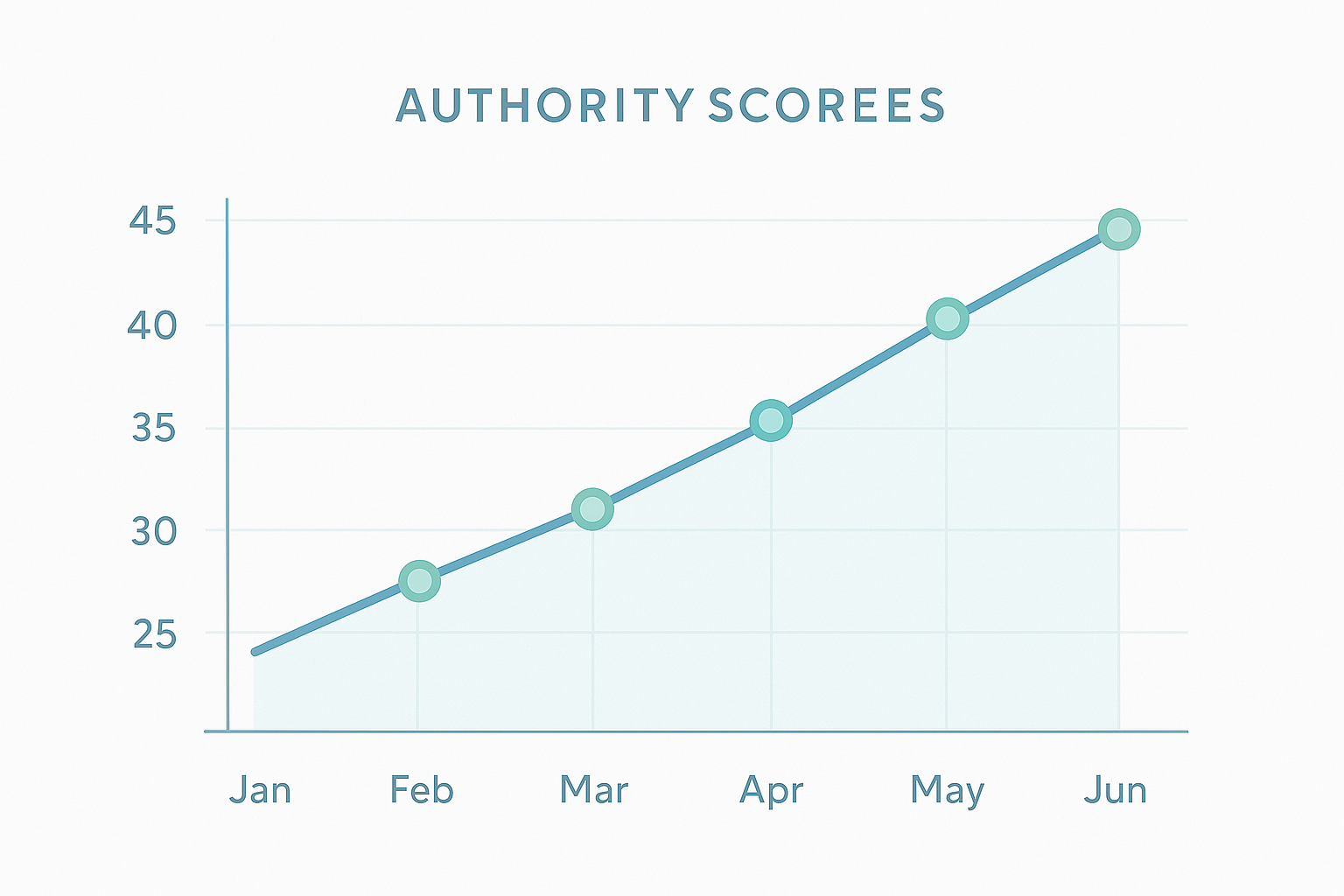
Tracking your Page Authority monthly alongside organic rankings reveals whether your link-building efforts are translating into real search visibility.
Putting It All Together
Understanding SEO Moz Page Authority gives you a measurable, actionable lens for evaluating and improving your pages’ competitive strength. By earning high-quality backlinks, refining your internal link architecture, and monitoring your score against competitors monthly, you can make steady, evidence-based progress; see our What is MozRank guide for related metrics.
Remember that Page Authority is a directional signal, not a guarantee. However, consistently improving it — alongside strong content and technical SEO — creates a compounding advantage that is very difficult for competitors to overcome quickly.
Frequently Asked Questions About SEO Moz Page Authority
What is SEO Moz Page Authority?
SEO Moz Page Authority is a score developed by Moz that predicts how likely a specific page is to rank in search engine results pages. It ranges from 1 to 100 on a logarithmic scale, with higher scores indicating greater ranking potential. For a deeper walkthrough, see our Moz Keyword Difficulty Checker: Full Guide (2025).
What is the difference between Page Authority and Domain Authority?
Page Authority measures the ranking strength of a single URL, while Domain Authority measures the overall strength of an entire domain. Both are Moz metrics on a 1 to 100 scale, but they evaluate different scopes of your site.
What is a good Page Authority score?
A score above 40 is generally competitive for most niches, and scores above 60 are excellent. However, the most useful benchmark is always your competitors’ average scores for the keywords you want to rank for.
How is Page Authority calculated?
Page Authority is calculated using a machine learning model that incorporates dozens of link-based signals, including the number of linking root domains, the quality of those links, and internal link equity. Moz updates the algorithm periodically.
Can I increase my Page Authority quickly?
Page Authority increases gradually as you earn more high-quality backlinks and optimize your internal linking structure. There is no instant fix — consistent link-building efforts over weeks or months produce the most reliable gains.
Does on-page SEO affect Page Authority?
On-page SEO does not directly affect Page Authority, which is primarily a link-based metric. However, strong on-page content attracts more backlinks naturally, which in turn raises your score over time.
How often does Moz update Page Authority scores?
Moz refreshes Page Authority scores approximately once per month as it re-crawls the web and recalculates link data. Scores can fluctuate slightly between updates even without changes to your own page.
Is Page Authority a Google ranking factor?
Page Authority is not a Google ranking factor — it is a third-party metric created by Moz. However, it correlates strongly with ranking performance because it reflects backlink quality, which Google does use as a ranking signal.
What tools can I use to check Page Authority?
You can check Page Authority using Moz Link Explorer, the MozBar browser extension, or third-party SEO platforms that license Moz data. Tools like RankAuthority also provide link metrics to help contextualize your scores.
Why did my Page Authority drop suddenly?
A sudden drop usually results from a Moz algorithm update, the loss of high-quality backlinks, or competing pages gaining stronger link profiles. Auditing your backlink profile and rebuilding lost links can help recover the score.
How many backlinks do I need to reach a Page Authority of 50?
There is no fixed number because the quality of backlinks matters more than quantity. A page with 50 links from highly authoritative domains can easily outperform a page with 500 low-quality links in terms of Page Authority.
Does internal linking improve Page Authority?
Yes, internal linking helps distribute link equity across your site, which can raise Page Authority for pages that receive more internal links. Strategically linking from your highest-authority pages to important target pages is an effective tactic.

